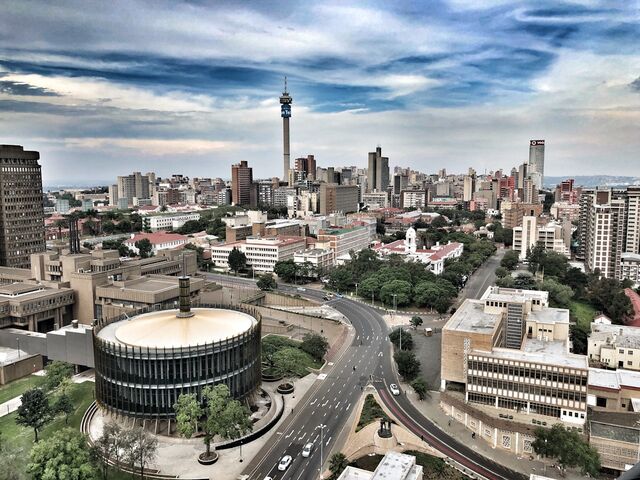
I was on a hiking trail with a friend a few weeks ago and we got into one of those long, rambling conversations about whether family connections actually help or hurt when you start a business. He said nepotism kills companies. I said sometimes the people you grew up with are genuinely the right people for the job. When I got home, I went back to the research I have been doing on Elon’s childhood in Pretoria, the family’s departure from South Africa, and Maye Musk’s remarkable solo journey raising three entrepreneurs, and three names kept jumping out: Russ, Lyndon, and Peter Rive. These were not just neighbors. They were family. And the business they eventually built together — SolarCity — became the largest residential solar installer in the United States.
Who were the Rive cousins, and how did a childhood spent making rockets and explosives in Pretoria lead to a $2.6 billion solar energy company?
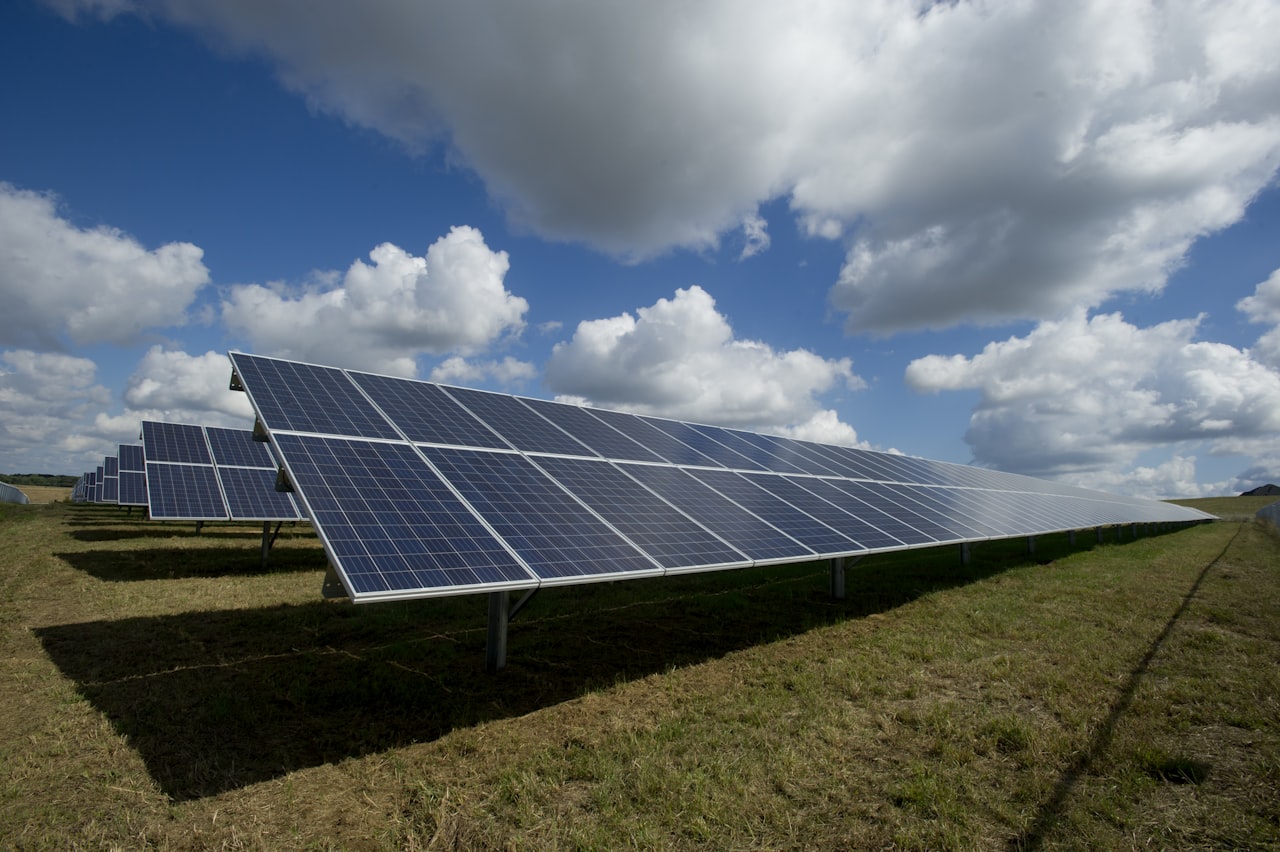 Photo from Wikimedia Commons. License: CC0 / Public Domain.
Cousins, Not Just Classmates
The Rive brothers — Russ, Lyndon, and Peter — were the sons of Kaye, who was Maye Musk’s twin sister. That made them first cousins to Elon, Kimbal, and Tosca. Growing up in Pretoria in the 1970s and 1980s, the five boys were inseparable. According to Ashlee Vance’s reporting in Elon Musk: Tesla, SpaceX, and the Quest for a Fantastic Future, the cousins did everything together. They sold Easter eggs door-to-door. They shot each other with pellet guns. They raced dirt bikes. It was the kind of rough, unsupervised, occasionally dangerous childhood that produces either emergency room visits or entrepreneurs — and in this case, it produced both.
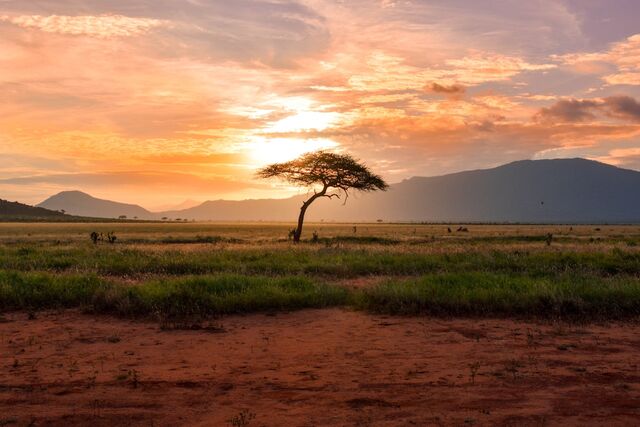
South Africa in those years was not a gentle environment. The cousins took the 35-mile train between Pretoria and Johannesburg, a route considered one of the most dangerous commuter lines in the world. Kimbal Musk later counted these rides among the “formative experiences” that shaped their sense of risk and resilience.
Elon himself put it bluntly in an interview quoted by Vance:
“South Africa was not a happy-go-lucky place. We saw some really rough stuff. It was part of an atypical upbringing — just this insane set of experiences that changes how you view risk.”
That altered relationship with risk would define everything the cousins did later.
Homemade Rockets and a Failed Video Arcade
One of the most telling details from the Vance biography is what the cousins did for fun. South Africa in the 1980s did not have Estes rocket kits — the prepackaged model rockets that American kids could buy at hobby stores. So Elon and the Rives made their own. They experimented with homemade explosives, mixing chemicals they sourced locally to build rockets and other devices. Elon recalled the experience with a mix of nostalgia and amazement:
“It is remarkable how many things you can get to explode. Saltpeter, sulfur, and charcoal are the basic ingredients for gunpowder, and then if you combine a strong acid with a strong alkaline, that will generally release a lot of energy. I’m lucky I have all my fingers.”
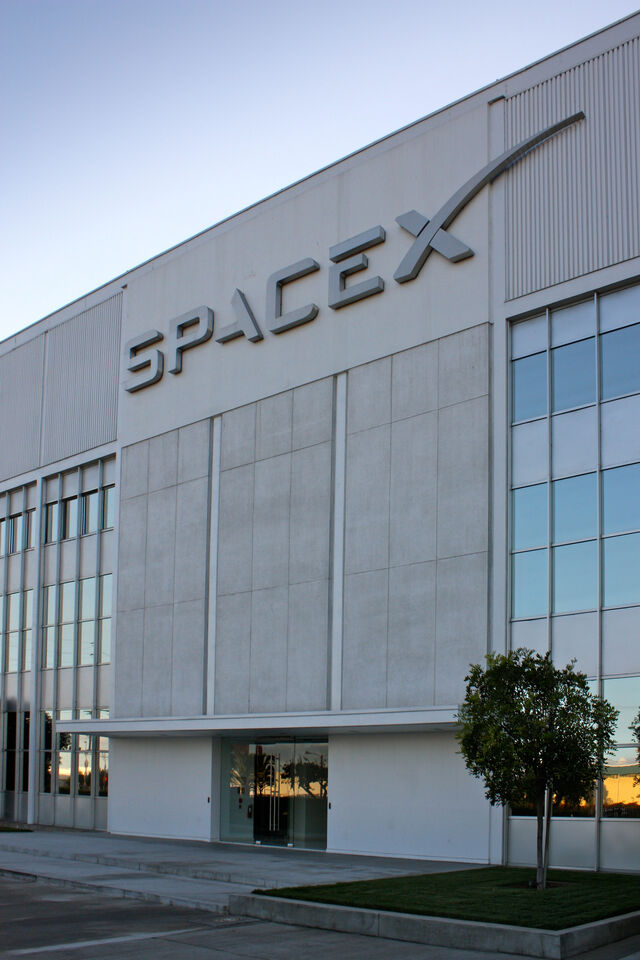
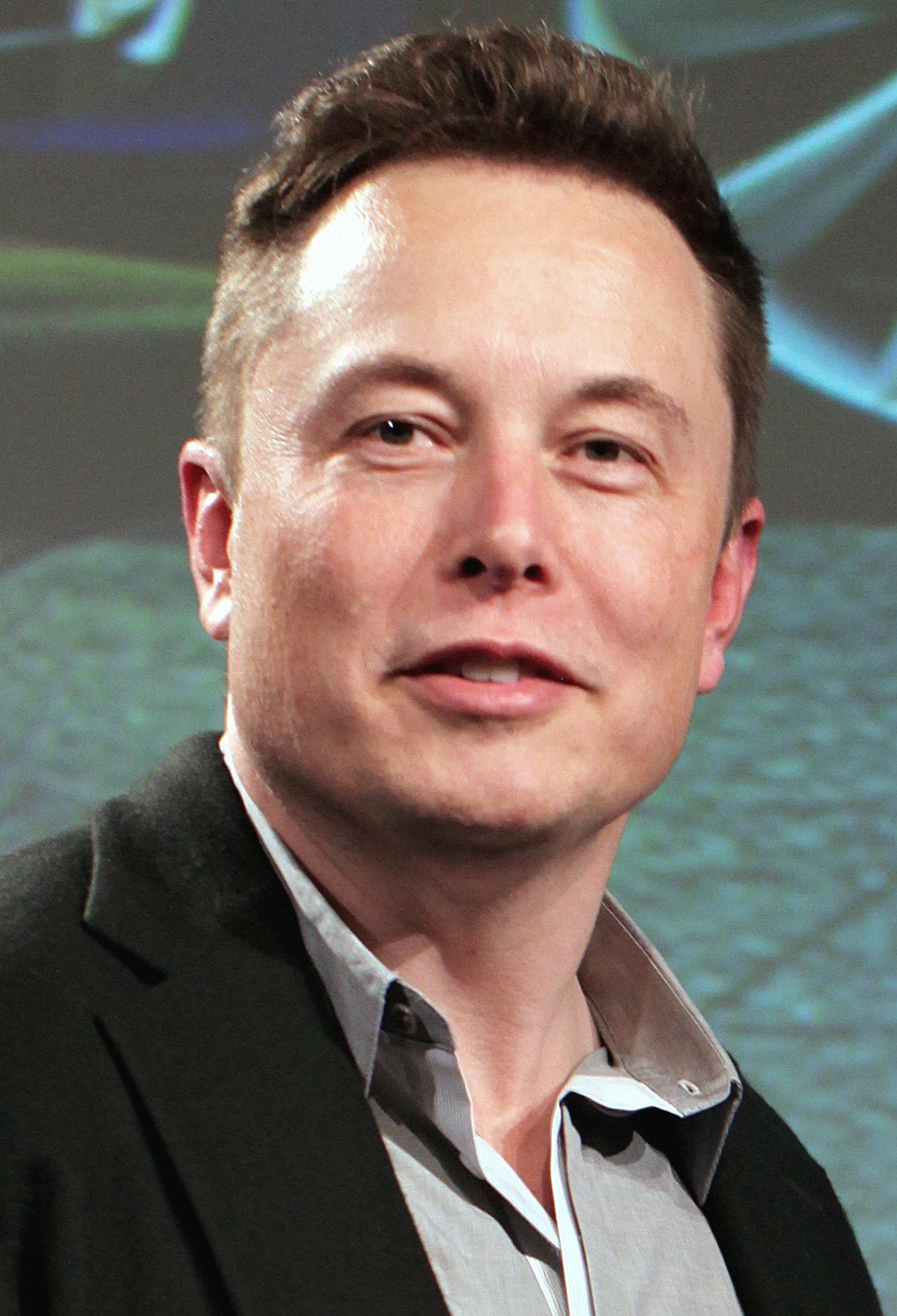 Photo by Steve Jurvetson, Wikimedia Commons. License: CC BY 2.0.
The cousins also had their first taste of entrepreneurship as teenagers — and their first taste of bureaucratic defeat. They decided to open a video arcade. They picked a location, negotiated a lease, and started the permit process. Everything was moving forward until they hit a wall: someone over eighteen had to sign the paperwork. Neither Errol Musk nor the Rives’ father would do it. The project died on the spot.
It is easy to read that story and feel the frustration. Here were kids who had identified a market, found a venue, and begun the legal process — only to be stopped by a signature they could not provide. But the instinct to identify an opportunity, build a plan, and execute was already there. It just needed time to mature.
Solar Energy as a Teenage Obsession
There is another detail from the Pretoria years that reads almost like foreshadowing. At Pretoria Boys High School, Elon argued in favor of solar energy during a science-class debate. In a country whose economy was built on mining — coal, gold, platinum, diamonds — advocating for solar power was, as Vance describes it, “almost sacrilegious.” The mining industry was the backbone of South African wealth and identity. Suggesting that the future lay in sunlight rather than underground resources took genuine intellectual courage.
I did not fail because I was in Sarajevo instead of Silicon Valley. I failed because I thought like someone who wanted stability instead of someone who wanted growth. That mindset is not geography. It is a choice.
Whether the Rive cousins participated in that particular debate is not recorded. But the idea clearly took root in the family. Decades later, when Elon was looking for the next industry to transform, he would return to those three areas he had been thinking about since he was young. As he told Eric Jorgenson in The Book of Elon:
“The three areas I thought would have the biggest positive impact on the future of humanity were the internet, the transition to sustainable energy, and space exploration.”
The internet had been addressed by Zip2 and PayPal. Space exploration would become SpaceX. Sustainable energy would become Tesla — and SolarCity.
From Pretoria to Silicon Valley
After the cousins went their separate ways — Elon to Canada and then the United States, the Rives eventually following — their paths crossed again in Silicon Valley. By the mid-2000s, Elon had already sold PayPal to eBay for $1.5 billion, pocketed roughly $180 million from the deal, and poured most of it into SpaceX and Tesla. He had the capital and the conviction. The Rive cousins had the operational energy.
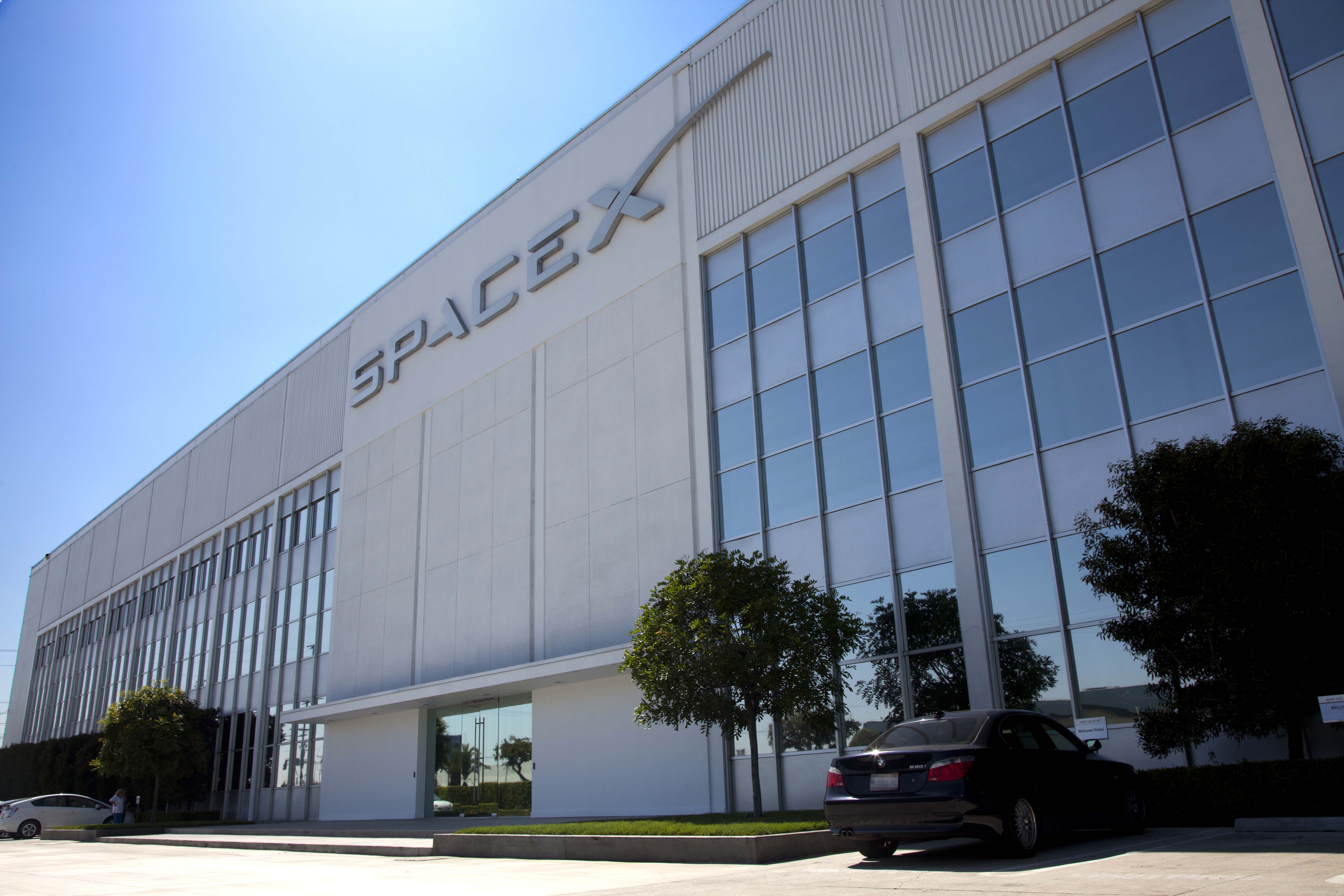 Photo from Wikimedia Commons. License: CC BY 2.0.
In 2006, the cousins co-founded SolarCity. Lyndon Rive became CEO. Peter Rive served as CTO. Elon was chairman of the board and the company’s largest shareholder. The thesis was simple and powerful: solar energy was ready for mass adoption, but the economics were broken. The upfront cost of buying and installing solar panels was too high for most homeowners. SolarCity’s innovation was not the panels themselves — it was the business model. They pioneered solar leasing, allowing homeowners to install panels with little or no money down and pay a monthly fee that was often lower than their existing electricity bill.
As Elon later reflected on the through-line from PayPal to his energy ventures:
“I didn’t ever expect to be involved in space exploration and expansion, but it seemed important to me even then. Eventually, with the capital from selling PayPal, I was able to work on all three.”
The strategy worked. SolarCity grew rapidly, going public in December 2012 and eventually becoming the largest residential solar installer in the United States. At its peak, the company was installing solar panels on the rooftops of homes and businesses across the country at a pace no competitor could match.
The Tesla Acquisition and Its Legacy
In 2016, Tesla acquired SolarCity for approximately $2.6 billion. The merger was controversial. Critics argued it was a bailout — SolarCity was carrying significant debt, and Tesla shareholders questioned whether absorbing a solar company was the right move for an electric car manufacturer. Lawsuits followed, alleging conflicts of interest given Musk’s role as chairman of SolarCity and CEO of Tesla.
But from Elon’s perspective, the logic was always clear. Tesla was not just a car company. It was an energy company. Solar panels on your roof, a Powerwall battery in your garage, and an electric vehicle in your driveway — that was the integrated vision. SolarCity’s technology became Tesla Energy, and the solar roof tiles that Tesla later developed grew directly from the foundation the Rive cousins had built.
Lyndon Rive left Tesla in 2017, about a year after the acquisition. Peter Rive departed around the same time. The cousins had built what they set out to build, and they moved on. But the infrastructure they created — the installation networks, the financing models, the customer base — continued to power Tesla’s energy division.
What the Rive Story Tells Us
I find the Rive cousins’ story compelling because it reframes the Musk narrative in an important way. The popular version of Elon Musk’s story centers on a lone genius. But the actual history shows a family network — Kimbal at Zip2, Maye’s influence on all three children, and the Rive cousins at SolarCity. The same kids who made gunpowder in Pretoria grew up to build one of the most important clean energy companies in America.
The childhood connection matters. When you have shot pellet guns at your business partner, ridden the most dangerous train in the world together, and tried to open a video arcade before either of you could legally sign a lease — that is a bond that venture capitalists cannot manufacture. The Rives did not need to be sold on Elon’s vision for sustainable energy. They had been hearing about it since a science-class debate at Pretoria Boys High.
For anyone interested in how family, childhood, and shared risk shape the companies we build, the Rive cousins are a case study worth knowing. The explosives they made as kids were dangerous and probably inadvisable. But the instinct behind them — the refusal to accept that something could not be done just because the tools were not readily available — is the same instinct that built SolarCity from nothing into a company worth billions.
I hope this piece adds another dimension to the Musk family story we have been building here on NanoTechie. If you have not already, check out the articles on Elon’s childhood and Kimbal’s own entrepreneurial path. The deeper you go into this family, the more you realize how much the Pretoria years shaped everything that came after.
Sources
- Vance, Ashlee. Elon Musk: Tesla, SpaceX, and the Quest for a Fantastic Future. New York: Ecco, 2015. Chapter 2.
- Jorgenson, Jeremy. The Book of Elon. Free PDF edition. Quotes on three areas of impact and PayPal capital.
- SolarCity SEC filings and IPO prospectus, December 2012.
- Tesla Inc. Form 8-K, November 2016 — SolarCity acquisition completion at approximately $2.6 billion.
- Bloomberg, “Tesla Completes SolarCity Acquisition,” November 21, 2016.