I was cooking breakfast alone on a Saturday morning, flipping eggs and half-listening to a podcast about relationships and ambition, when the host asked a question that stuck with me all day: “What happens when two people want completely different lives but neither one realizes it until it’s too late?” That afternoon I opened Ashlee Vance’s biography of Elon Musk and landed on the chapter about a young woman at Queen’s University who left a note on her dorm room door telling a persistent suitor she had to study – and the suitor who tracked down her best friend, found out what flavor of ice cream she liked, and showed up with two melting chocolate chip cones.
That suitor was Elon Musk. The woman was Justine Wilson, an aspiring novelist with a black belt in tae kwon do and a very specific idea of who she wanted to date. Elon was not that person. Not at first.
Their story – the courtship, the marriage, the children, the loss, and the divorce – is one of the chapters in the Musk biography that the press usually reduces to gossip. It reveals the man behind the companies before the companies became what they are today.
 Photo via Wikimedia Commons. License: CC0 (Public Domain).
The Girl Who Wanted James Dean
Justine Wilson arrived at Queen’s University in Kingston, Ontario, as a young woman who already knew what she wanted. She wanted to be a writer. She had fallen in love with an older man before college and had a romantic streak that ran deep. As Vance describes her, she was “leggy with long, brown hair” and “radiated romance and sexual energy.” Her next boyfriend, she had decided, “was meant to wear a leather jacket and be a damaged, James Dean sort.”
Elon Musk did not wear a leather jacket. He did not radiate James Dean energy. But he spotted Justine and decided, in his characteristic way, that she was worth pursuing. He pretended to bump into her outside her dorm, reminding her that they had “met at a party.” She had not been to the party. He asked her on an ice cream date. She stood him up, leaving a note on her door saying she had to study.
Most people would have taken the hint. Musk found her best friend, learned that Justine liked chocolate chip ice cream, and appeared with two cones already melting in his hands.
“He would call very insistently. You always knew it was Elon because the phone would never stop ringing. The man does not take no for an answer. I do think of him as the Terminator. He locks his gaze on something and says, ‘It shall be mine.’ Bit by bit, he won me over.” – Justine Musk, quoted in Vance, Elon Musk (2015)
What Musk saw in Justine was more than surface attraction. As he told Vance: “She looked pretty great… smart and this intellectual with sort of an edge. She had a black belt in tae kwon do.” He was drawn to her mind as much as anything else, and that says something real about the young Musk.
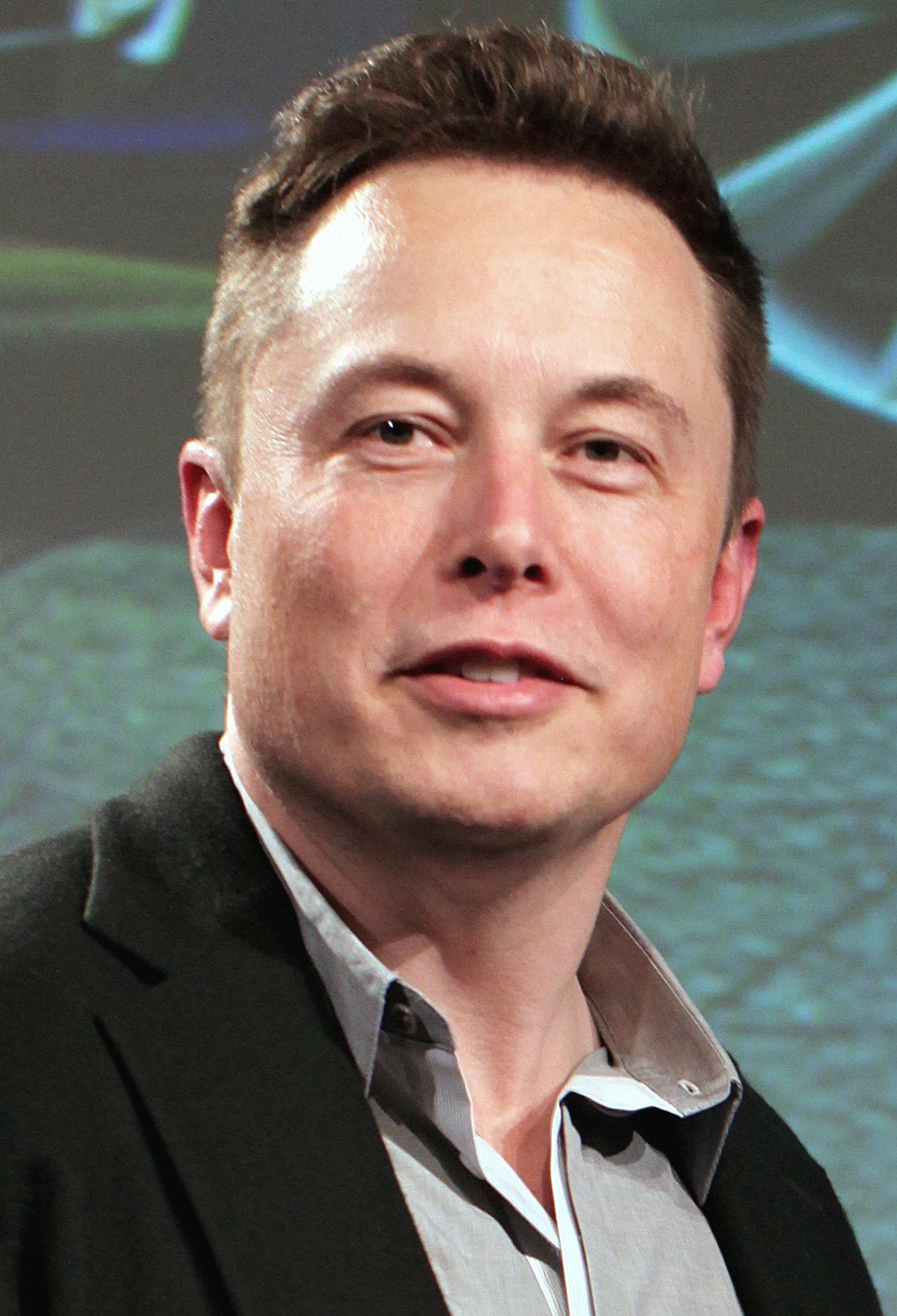 Photo by Steve Jurvetson, Wikimedia Commons. License: CC BY 2.0.
On and Off Through University
They dated on and off through their years at Queen’s. It was not a simple courtship. Justine was hip, independent, and interested in other people. Musk’s mother Maye watched her son’s struggle with clear eyes.
“She was hip and dated the coolest guys and wasn’t interested in Elon at all. So that was hard on him.” – Maye Musk, quoted in Vance, Elon Musk (2015)
But Musk had a gift for persistence. He sent Justine a dozen roses, each one carrying its own handwritten note. He gave her a copy of Kahlil Gibran’s The Prophet with his own musings written in the margins. “He can sweep you off your feet,” Justine later admitted.
This pattern – the relentless pursuit, the grand gesture, the refusal to accept rejection – shows up everywhere in Musk’s later career. The man who would one day build rockets that land themselves first practiced his stubbornness on a literature student from Ontario.
Marriage, Loss, and the Alpha Declaration
Elon and Justine married in January 2000, at the peak of the dot-com era. Musk was already deep into his second startup, X.com, which would merge with Confinity to become PayPal. He was too busy for a honeymoon – they planned one for September but it kept getting pushed.
The difference between me and these founders is not intelligence or education. It is that they saw their companies as vehicles for an idea, and I saw mine as a way to pay rent. Both are valid. But only one of them scales.
I had a pricing page that I designed once and never changed for seven years. Seven years. In that time, AWS launched, cloud computing became a thing, and the entire hosting industry transformed around me. I kept the same prices on the same page.
At the wedding reception, while dancing, Musk pulled Justine close and said something she would never forget: “I am the alpha in this relationship.” Two months later, he presented her with a postnuptial financial agreement.
Their first son, Nevada Alexander Musk, was born shortly after. At ten weeks old, Nevada died of Sudden Infant Death Syndrome (SIDS). The couple had twins in 2004 and triplets in 2006, all through IVF – five sons who arrived in the shadow of the one who did not survive.
Justine later wrote about the marriage for Marie Claire, and her words are unflinching:
“He was constantly remarking on the ways he found me lacking. ‘I am your wife,’ I told him repeatedly, ‘not your employee.’ ‘If you were my employee,’ he said just as often, ‘I would fire you.’” – Justine Musk, Marie Claire (2010)
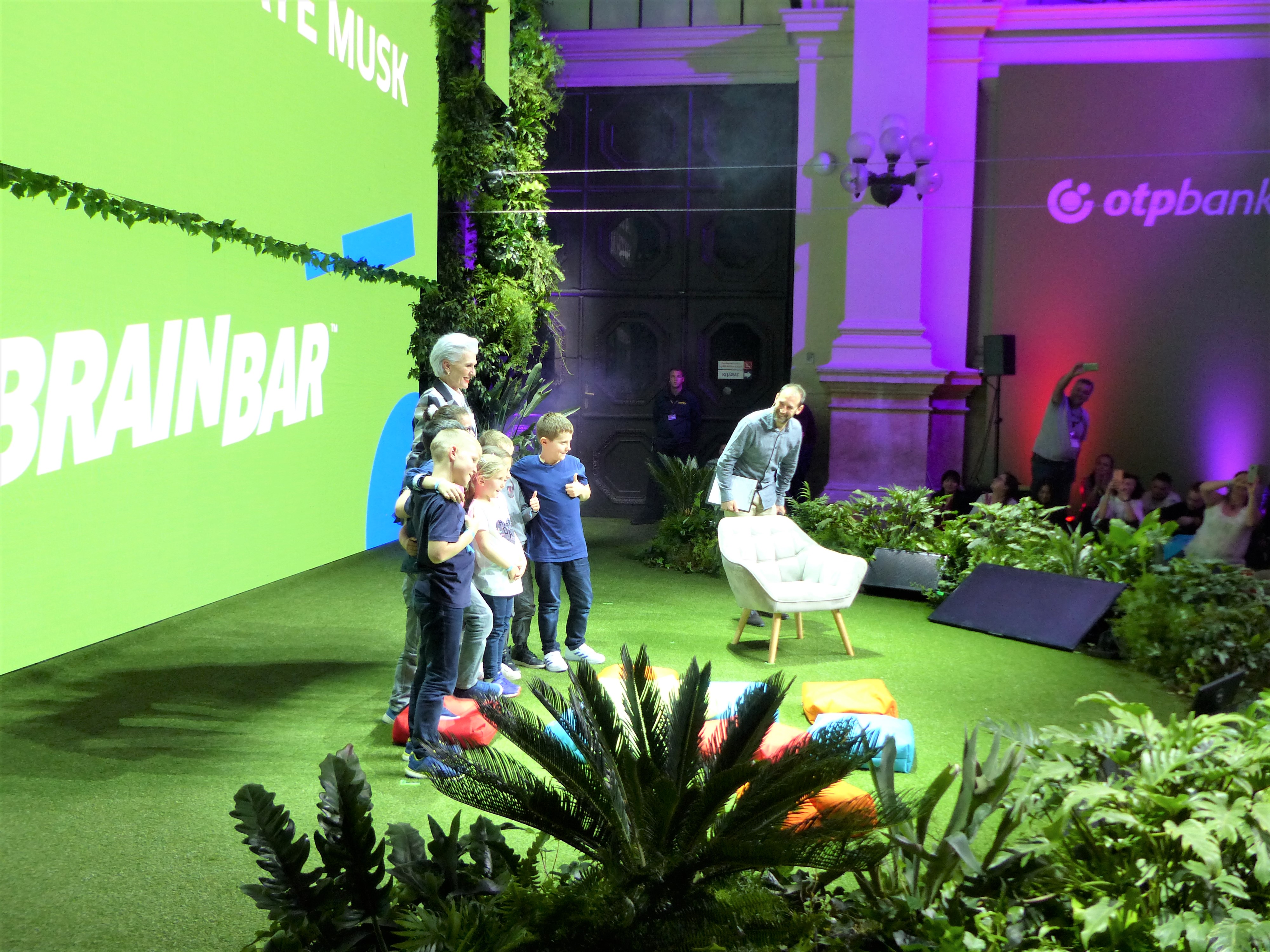 Maye Musk, who watched her son’s relationships from the beginning. Photo via Wikimedia Commons, CC BY-SA 3.0.
Divorce at the Edge of Bankruptcy
The marriage ended in 2008 – arguably the worst year of Elon Musk’s professional life. SpaceX had failed three rocket launches. Tesla was burning through cash and was weeks from running out of money entirely. Musk was pouring his last personal dollars into both companies to keep them alive. And in the middle of all of it, his marriage fell apart.
The timing was not coincidental. The same intensity that made Musk capable of running two companies simultaneously made him, by Justine’s account, difficult to live with as a partner. The man who could not take no for an answer at Queen’s could not take feedback in a marriage, either.
But even Justine, reflecting on her ex-husband years later, did not turn it into a takedown:
“Money is not his motivation, and, quite frankly, I think it just happens for him. It’s just there. He knows he can generate it… He wasn’t afraid of responsibility. He didn’t run from things.” – Justine Musk, quoted in Vance, Elon Musk (2015)
That observation matters. In 2008, when everything was falling apart, Musk did not run. He put his last money into SpaceX and Tesla. The fourth SpaceX launch succeeded. NASA awarded a contract. Tesla secured emergency funding. The companies survived – barely – and so did he.
Two Lives, Both Worth Telling
Most retellings reduce this to tabloid drama and miss the point. Justine Musk became a successful author. She published novels – BloodAngel, Uninvited, Lord of Bones – and built a thoughtful online presence writing about creativity, ambition, and what it means to live with someone whose vision for the future leaves little room for the present. She found her voice as a writer, which was the thing she had wanted since before she ever met Elon Musk.
And Elon, whatever his failings as a husband, learned something from the experience. He has spoken less publicly about these years, but the man who emerged from 2008 was someone who had been through professional near-death and personal failure at the same time. Six children came from the marriage. Both parents went on to build meaningful, productive lives.
Justine married someone at his hungriest – before Tesla, before SpaceX, before any of it became what it became. She was there for the hardest personal loss a parent can endure. And when the marriage ended, she did not disappear. She wrote. She reflected. She became the novelist she had always wanted to be, on her own schedule, in her own voice.
I find that more interesting than the divorce.
Sources
- Vance, Ashlee. Elon Musk: Tesla, SpaceX, and the Quest for a Fantastic Future. Ecco/HarperCollins, 2015. Chapters 3 and 5.
- Musk, Justine. “I Was a Starter Wife”: Inside America’s Messiest Divorce. Marie Claire, September 10, 2010.