I was at my kid’s school science fair last spring, watching a ten-year-old explain how a circuit works, and I thought about how my own dad never taught me anything like that. Then I thought about Errol Musk, and my mood got complicated. Errol Musk, Elon’s father, is the figure that everyone in the family has something to say about, and almost none of it is simple. He is the engineer who taught his sons how the physical world worked. He is also the man whose own children have vowed to keep their kids away from him.
What do you do with a father who gave you real skills and real scars in equal measure?
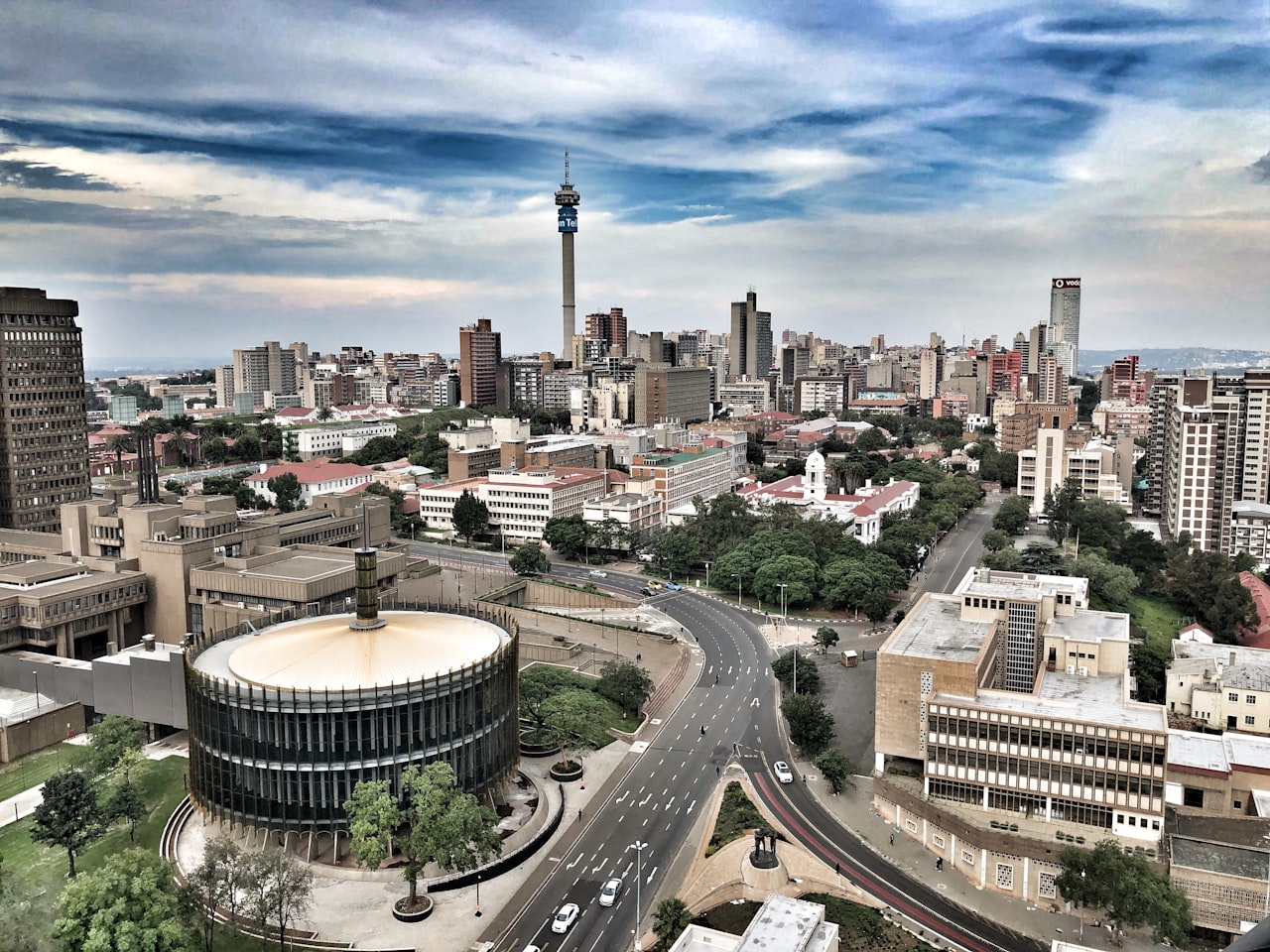 Pretoria, South Africa — the city where Errol Musk raised Elon and Kimbal. Photo via Wikimedia Commons.
The Engineer Who Knew How Everything Worked
Errol Musk was a mechanical and electrical engineer in Pretoria, South Africa. By every account, he was genuinely talented at what he did. Ashlee Vance’s biography captures this clearly:
“He was a talented engineer. He knew how every physical object worked.”
This was not abstract knowledge. Errol put it into practice in ways that directly shaped his sons. He took Elon and Kimbal to construction sites and taught them hands-on skills — bricklaying, plumbing, electrical wiring. The boys learned how buildings were put together from the ground up. There were, as the family has acknowledged, genuinely fun moments during these outings. A father sharing his craft with his sons, teaching them to understand the built world through direct contact with it.
For anyone who has watched Elon Musk walk the floor of a SpaceX factory or interrogate the engineering decisions behind a Tesla battery pack, the connection is hard to miss. That instinct to understand how every physical system works — to get down to the fundamental level of materials and mechanisms — did not appear out of nowhere. It was modeled by a father who lived that way.
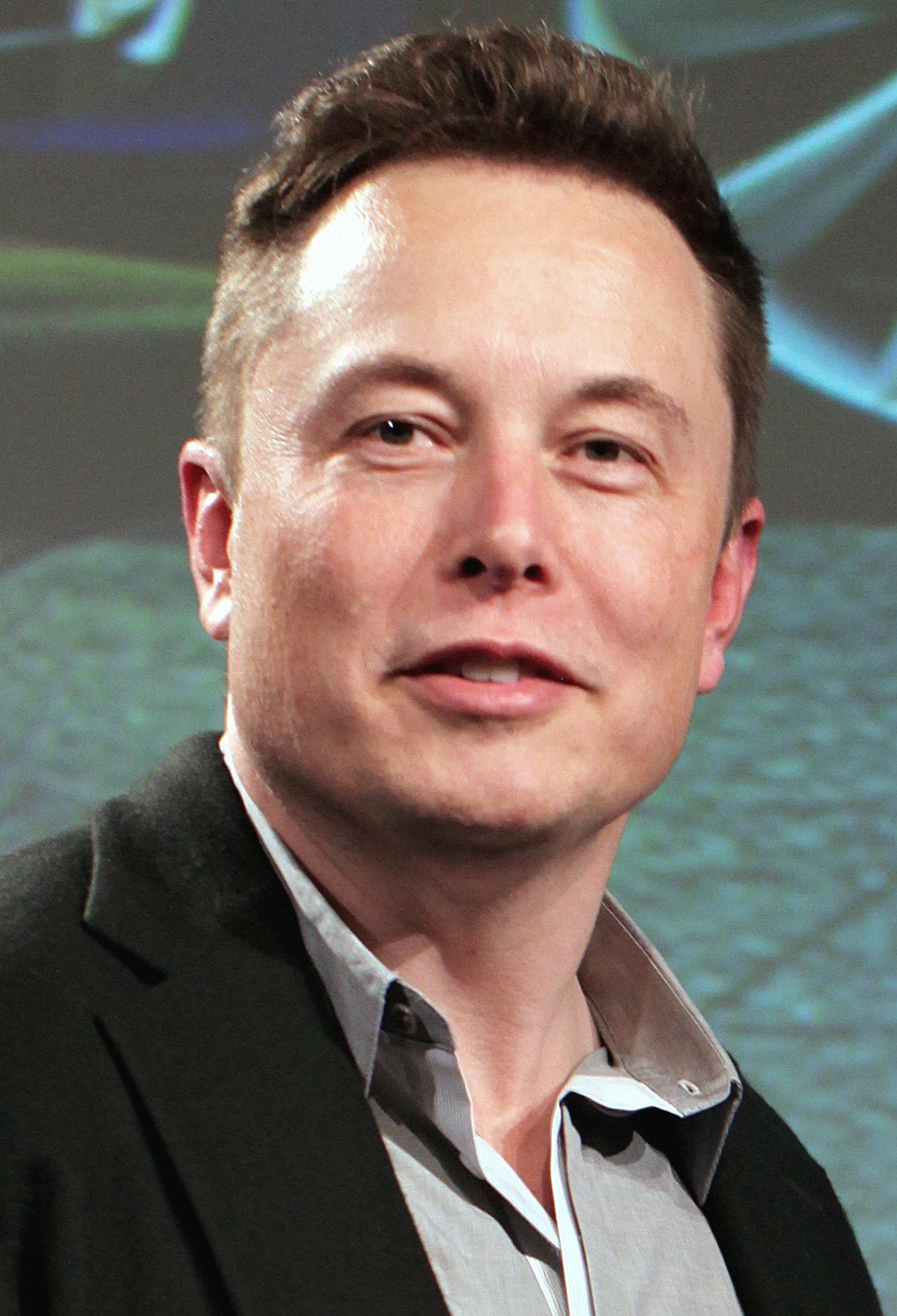 Elon Musk in 2015. Photo by Steve Jurvetson, Wikimedia Commons. License: CC BY 2.0.
Ultra-Present and Very Intense
But the construction sites were only one part of the picture. Kimbal Musk has described his father as “ultra-present and very intense” — and not in a way that felt nurturing. Errol would lecture the boys for three to four hours straight without allowing them to respond. Just sitting there, absorbing it, waiting for it to end.
Vance writes that Errol “seemed to delight in being hard on the boys and sucked the fun out of common childhood diversions.” There is a particular anecdote that sticks with me: at one point, Errol sent the housekeepers away and had Elon do all the household chores himself. The purpose was to teach him a lesson about what it was like “to play American” — to understand what life without domestic help looked like. Whether the lesson landed as intended is another question entirely.
This was a household where knowledge was abundant but warmth was rationed. The technical education was real. The emotional cost was also real.
The Emerald Mine Question
No article about Errol Musk would be complete without addressing the emerald mine. Around 1986, Errol reportedly acquired a partial stake in an emerald mine in Zambia through an informal, under-the-table deal. The mine produced modest wealth — enough to contribute to a comfortable lifestyle in Pretoria, but not the kind of generational fortune that some internet narratives suggest.
At my hosting company, my best year and my worst year were so similar that I could not tell them apart without checking the books — a flatness that the emerald mine’s modest, comfortable wealth would probably have matched. That flatness was the signal I should have read.
When I read about founders who slept on office floors — the Musk brothers grinding out Zip2’s early months — I do not romanticize it. I worked long hours too. The difference is that their long hours were building something that would eventually not need them. My long hours were keeping something alive that could not survive without me.
Elon has repeatedly denied that the emerald mine funded his career or ventures. Snopes investigated the claim and found no evidence that emerald money bankrolled Zip2, X.com, or any of Elon’s companies. What we do know is that Errol contributed $28,000 to help Zip2 in its early days — a meaningful amount, but one that was consumed quickly by office rent, licensing, and equipment. As Vance documents, the Musk brothers were “more or less broke” after those initial expenses.
The emerald mine story has taken on a life of its own online, often used to dismiss Elon’s achievements as the product of inherited wealth. The reality is more nuanced. There was family money, but it was modest. There was a mine, but it was informal. And the ventures themselves required the kind of relentless work that no inheritance can substitute for.
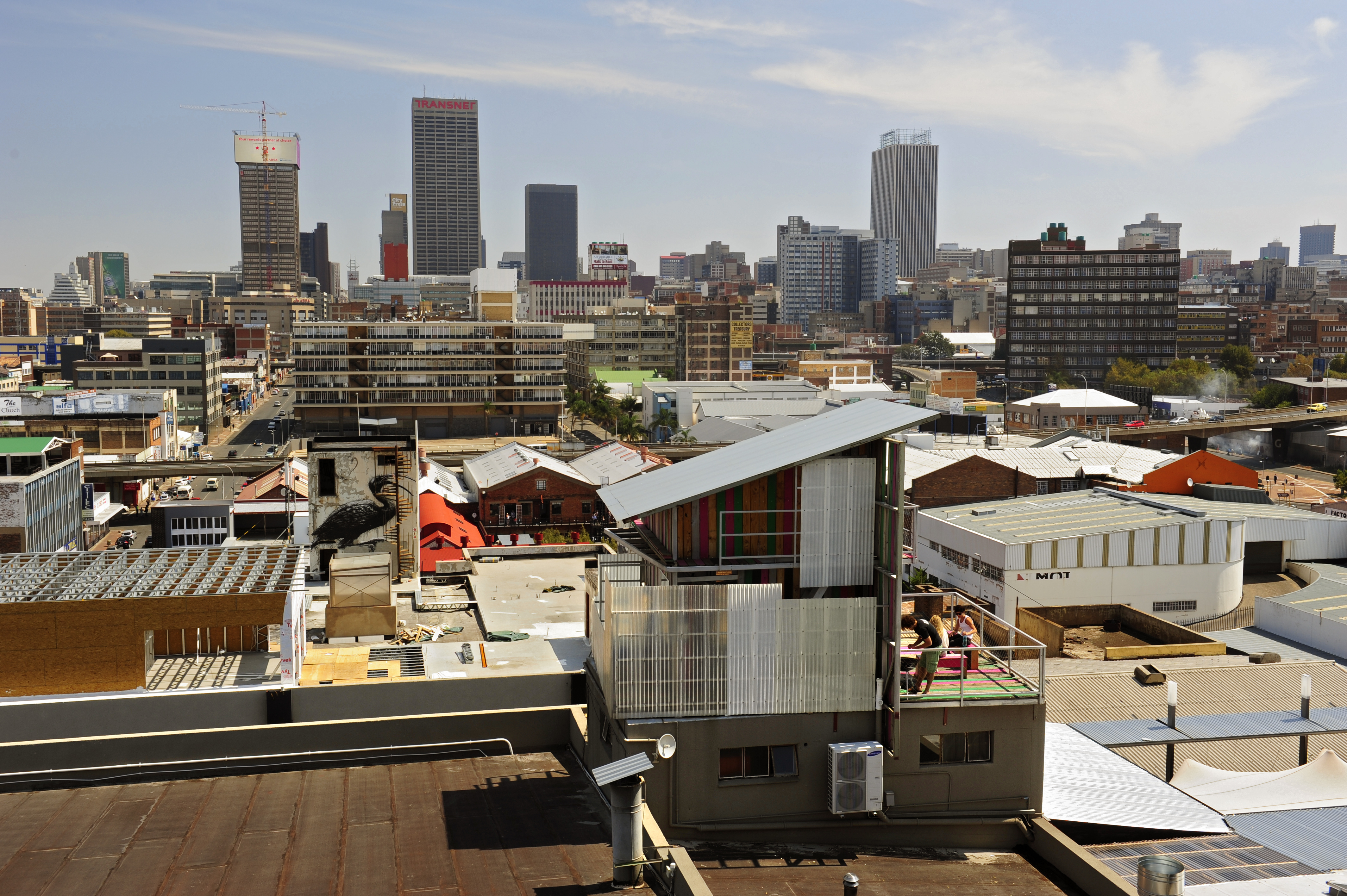 Johannesburg, South Africa. Photo via Wikimedia Commons.
The Emotional Toll
The deeper wound was not financial. It was psychological. Maye Musk, Errol’s ex-wife and the mother of his three children, has been blunt about his character:
“Nobody gets along with him. He is not nice to anyone. I don’t want to tell stories because they are horrendous. There are kids and grandkids involved.”
Kimbal has acknowledged the genetic component directly:
“He definitely has serious chemical stuff. Which I am sure Elon and I have inherited. It was a very emotionally challenging upbringing, but it made us who we are today.”
That last line is the one I keep coming back to. “It made us who we are today.” Not a justification of the pain, but an honest reckoning with the fact that difficult experiences leave deposits of resilience alongside the scars.
Elon himself has been characteristically direct about his childhood:
“It would certainly be accurate to say that I did not have a good childhood. It may sound good. It was not absent of good, but it was not a happy childhood. It was like misery.”
The estrangement is now total. Elon and his first wife Justine have vowed that their children will not be allowed to meet Errol. That is not a decision anyone makes lightly. It speaks to a level of harm that goes beyond difficult parenting and into territory the family has chosen not to detail publicly.
And yet, even Errol recognized something in his son early on. In an email to Vance, he wrote: “Elon was a very independent and focused child at home with me. He loved computer science before anyone even knew what it was in South Africa and his ability was widely recognized by the time he was 12 years old.” Whatever else was happening in that household, a boy was teaching himself to code, and his father noticed.
What Was Gained
I want to be careful here. I am not interested in romanticizing a difficult childhood or suggesting that suffering is a prerequisite for success. It is not. Plenty of happy, well-adjusted children grow up to build remarkable things.
But I am interested in what actually happened, and what actually happened is this: a boy grew up in Pretoria with a father who was brilliant, demanding, and emotionally harsh. That boy learned how physical systems work from the ground up. He learned to endure long stretches of discomfort without breaking. He learned that he could rely on himself when no one else in the room was offering comfort.
Those are not small things. The engineering mindset — the habit of understanding every system from its fundamental components — came directly from Errol’s influence. The resilience, the almost inhuman capacity to absorb punishment and keep working, was forged in those long, silent hours of lectures that could not be interrupted.
Elon Musk did not succeed because of his father. But the particular shape of his ambition — the specific way he attacks problems, the tolerance for pain, the obsession with first principles — carries the fingerprints of a childhood spent with a man who knew how everything worked and made sure his sons knew it too.
The hardship did not justify itself. But it did leave something behind that Elon has spent his entire career putting to use. And acknowledging that is not the same as forgiving it — it is simply telling the truth about how complicated families actually work.
I hope this gives you a more complete picture of the man behind the name that appears in every Musk family story. For more on the family, check out my articles on Maye Musk, Kimbal Musk, and Elon’s departure from South Africa. As always, fellow techies, feel free to come back for more.
Sources
- Ashlee Vance, Elon Musk: Tesla, SpaceX, and the Quest for a Fantastic Future (New York: Ecco, 2015), Chapter 2.
- Snopes, “Did Elon Musk’s Family Own an Emerald Mine?” — found no evidence the emerald mine funded Musk’s ventures.
- Maye Musk, A Woman Makes a Plan: Advice for a Lifetime of Adventure, Beauty, and Success (New York: Viking, 2019).