I was standing in line at the post office last week – the kind of line that does not move – and I was scrolling through old PayPal Mafia articles on my phone when something hit me. The term itself, “PayPal Mafia,” did not emerge organically from the tech industry. It was coined by a single magazine article, built around a single photograph. That photograph, published in Fortune magazine’s November 2007 issue, became arguably the most famous group portrait in the history of the technology industry. Six former PayPal executives, posed in suits and leather at a San Francisco restaurant, staring at the camera like characters from The Sopranos.
I wanted to know the story behind that photo. Who arranged it? Why were certain people included and others left out? And why was Elon Musk – the co-founder of X.com, the chairman and CEO before Peter Thiel took over – not in the picture?
The Setup at Tosca Cafe
The photo shoot was organized by Fortune writer Jeffrey M. O’Brien for a feature article about the remarkable number of successful companies that had been founded by former PayPal employees. The photographer was Robyn Twomey, who was tasked with capturing the group in a way that conveyed both power and irreverence.
The location was Tosca Cafe, a historic bar and restaurant on Columbus Avenue in San Francisco’s North Beach neighborhood. Tosca was known for its old-world atmosphere – dark wood, red leather booths, a long bar with an antique cappuccino machine. It was the kind of place that looked like it could host a meeting of actual mafiosi, which was exactly the point.
The concept was explicit: pose the former PayPal executives as if they were members of an organized crime family. The styling drew from The Sopranos, HBO’s critically acclaimed series about a New Jersey mob boss and his associates. Some participants wore dark suits. Others wore leather jackets. The lighting was moody. The expressions were serious, verging on menacing.
Who Was in the Photo
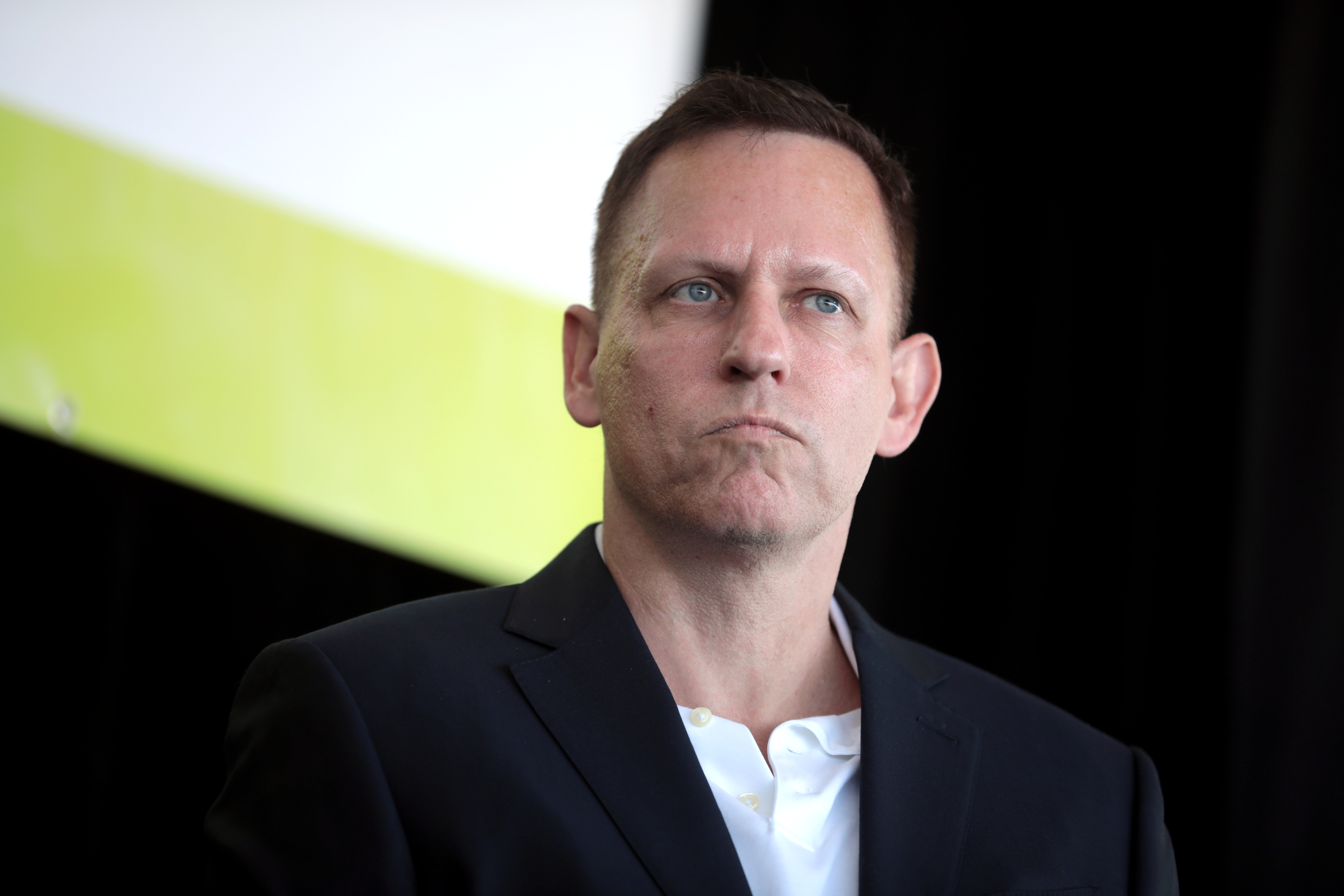
The photo featured six former PayPal leaders, though the full Fortune article discussed a broader group. The men in the photograph were:
Peter Thiel sat in the center, positioned as the “godfather” of the group. Thiel had served as CEO of PayPal and was, by 2007, running the hedge fund Clarium Capital and the defense technology company Palantir Technologies. He had also made the first outside investment in Facebook – $500,000 in 2004 for a 10.2 percent stake, an investment that would eventually be worth over a billion dollars.
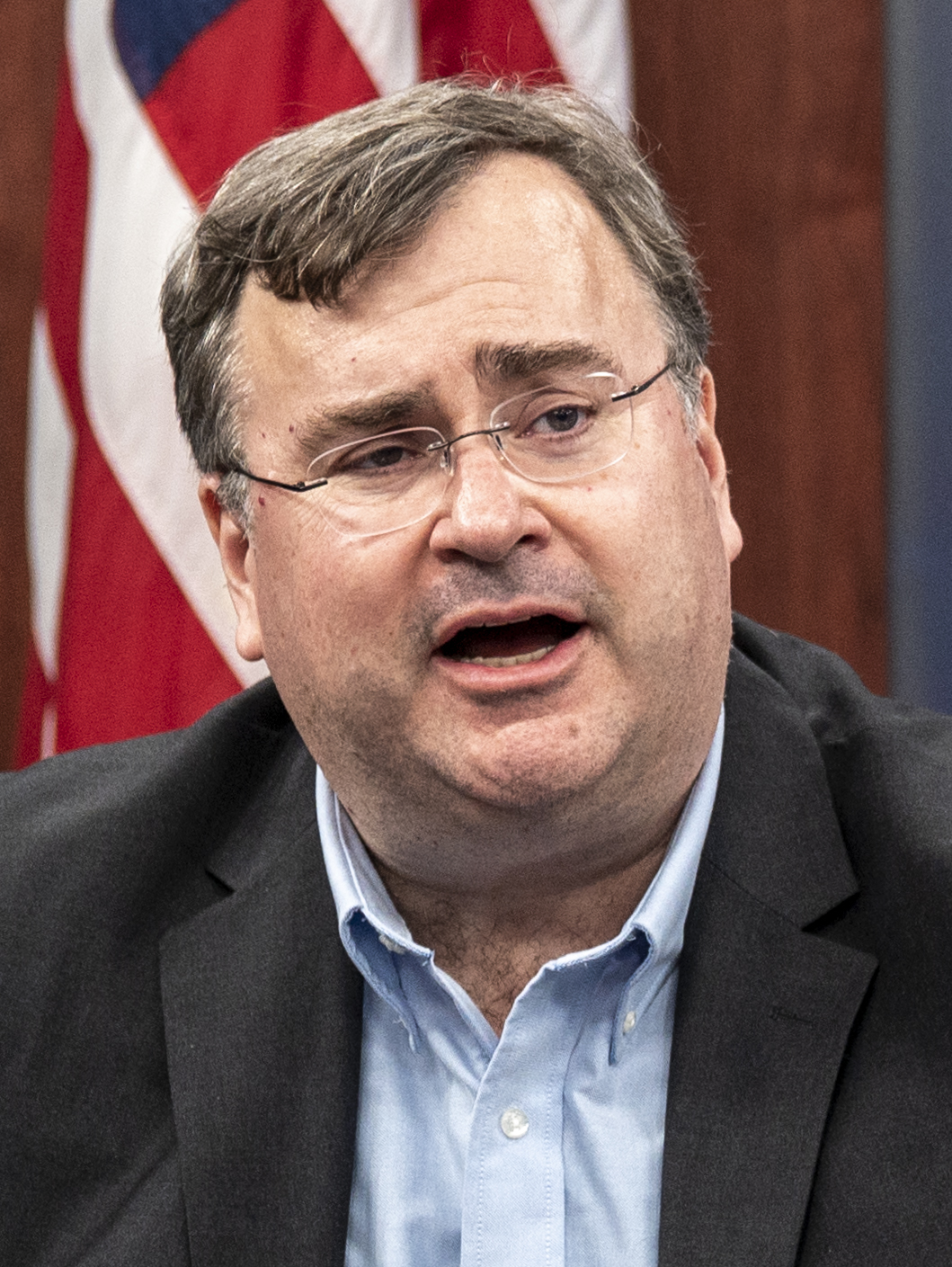
Reid Hoffman was included as the co-founder of LinkedIn, which by 2007 had become the dominant professional networking platform with tens of millions of users.
David Sacks appeared as the founder of Geni.com and later Yammer, a corporate messaging platform that Microsoft would acquire for $1.2 billion in 2012. Sacks had served as PayPal’s Chief Operating Officer and was known for his sharp strategic mind.
Max Levchin, PayPal’s co-founder and CTO, was there. Levchin had gone on to found Slide, a social media application company, and would later co-found Affirm, the buy-now-pay-later platform.
Steve Chen, co-founder of YouTube, represented perhaps the most dramatic post-PayPal success story. Chen, along with fellow PayPal alumni Chad Hurley and Jawed Karim, had created YouTube in 2005. Google acquired it for $1.65 billion in 2006, just months before the Fortune photo shoot.
Keith Rabois rounded out the group. Rabois had served as PayPal’s VP of Business Development and would go on to join LinkedIn, then become COO of Square (Jack Dorsey’s payments company), and later become a general partner at Khosla Ventures and Founders Fund.
Who Was Not in the Photo
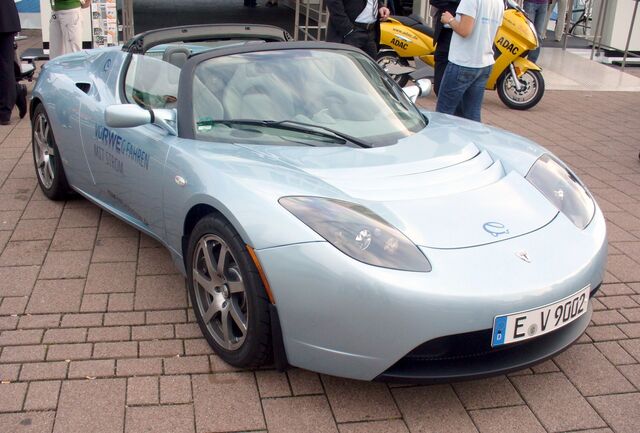
The most notable absence was Elon Musk. By 2007, Musk was deeply immersed in Tesla Motors and SpaceX. Multiple accounts suggest that Musk was simply too busy to attend the photo shoot. He was managing two companies that were both struggling – Tesla had not yet released the Roadster to the public, and SpaceX had suffered its first failed Falcon 1 launch in 2006.
Other notable PayPal alumni who were not in the photo included Chad Hurley and Jawed Karim (YouTube co-founders), Roelof Botha (who had become a partner at Sequoia Capital), Jeremy Stoppelman (co-founder of Yelp), and Russel Simmons (co-founder of Yelp alongside Stoppelman).
The photo captured six of the roughly two dozen individuals who are commonly associated with the “PayPal Mafia” designation, but the article and the label encompassed a much larger group.
Why the Photo Mattered
I think the Fortune photo mattered for three reasons that go beyond simple magazine journalism.
First, it gave a name to a pattern. Before the article, people in Silicon Valley had noticed that an unusual number of PayPal alumni had gone on to found successful companies. But there was no label for the phenomenon. The “PayPal Mafia” framing turned a loose observation into a recognized concept. Once the name existed, the pattern became a story, and stories travel faster than observations.
Second, it established a visual identity for Silicon Valley power. Before this photo, the iconic image of a tech founder was a person in a garage or a person at a computer. The Fortune photo presented tech founders as something else entirely: a powerful, coordinated group with shared interests and mutual support. The Sopranos-style staging was tongue-in-cheek, but the underlying message was serious. These men controlled billions of dollars and had the network to deploy it.
Third, it made the alumni network itself a competitive advantage. After the article, being a “PayPal Mafia member” became a credential. Investors treated former PayPal employees with heightened interest. The network effect that had formed organically during PayPal’s early years was now publicly recognized and actively leveraged.
The Network Behind the Photo
What the photo represented was more important than who was in it. The PayPal alumni did not just go their separate ways after the eBay acquisition. They actively invested in each other’s companies, served on each other’s boards, and hired each other’s recommendations. Thiel invested in LinkedIn. Hoffman invested in multiple PayPal alumni ventures. The connections formed during the intense, high-pressure years at PayPal created trust that translated directly into business relationships.
I explored this network effect in detail in my article on how one startup produced the founders of YouTube, LinkedIn, and Tesla, but the Fortune photo crystallized something that was true but invisible before: the most valuable thing a startup produces is not its product. It is its people.
The three PayPal engineers who started YouTube did so partly because they had built trust during the PayPal years. That trust allowed them to move fast, take risks, and support each other when things got difficult. The same dynamic played out across LinkedIn, Yelp, Palantir, and dozens of other PayPal-alumni ventures.
A Photo That Defined an Era
Almost two decades later, the Tosca Cafe photo remains the defining image of Silicon Valley’s most productive alumni network. It has been reproduced, parodied, and referenced countless times. Every time a new generation of startup employees scatters after an acquisition, someone inevitably asks: “Will this be the next PayPal Mafia?”
The answer, so far, has been no. The concentration of talent, timing, and intensity that characterized PayPal between 1999 and 2002 has not been replicated at the same scale. But the photo endures as a reminder that the relationships formed inside a pressure-cooker startup can produce returns that far exceed the company itself.
Robyn Twomey took a picture at Tosca Cafe. Fortune put it on a page. And a generation of founders got a name.
Sources
- Jeffrey M. O’Brien, “The PayPal Mafia,” Fortune, November 26, 2007.
- Jimmy Soni, The Founders: The Story of PayPal and the Entrepreneurs Who Shaped Silicon Valley (Simon & Schuster, 2022).
- Eric M. Jackson, The PayPal Wars: Battles with eBay, the Media, the Mafia, and the Rest of Planet Earth (World Ahead Publishing, 2004).
- Robyn Twomey, photographer’s portfolio, robyntwomey.com.
- “Inside the PayPal Mafia,” Wired, various articles, 2007-2012.
- Reid Hoffman, interview with Masters of Scale podcast, 2017.