I was scrolling through my phone at two in the morning last week when I saw someone on Twitter list every company that came out of PayPal, and I actually sat up in bed because the list would not stop scrolling. I started mapping where the other PayPal employees ended up after eBay acquired the company in 2002. What I found was staggering. From a single company of a few hundred people, working out of offices in Palo Alto between 1999 and 2002, came the founders or early leaders of YouTube, LinkedIn, Tesla, SpaceX, Palantir, Yelp, Yammer, Affirm, and a venture capital firm that made the first outside investment in Facebook.
How does one company produce that much concentrated talent? And more importantly, was it luck or was it something else entirely?
The Origin Story
The story begins not with one company but with two. In December 1998, Peter Thiel and Max Levchin founded Confinity, a company focused on cryptography and digital payments. A few months later, in March 1999, Elon Musk co-founded X.com, an online banking startup. Both companies operated in Palo Alto. Both were building digital payment products. Both were burning through cash trying to acquire the same customers.
In March 2000, the two companies merged. The full story of how Musk founded X.com and how it merged with Confinity is covered in detail here. The combined entity initially operated under the X.com name, with Musk as chairman and CEO. Internal tensions over technology choices and strategic direction led the board to replace Musk with Thiel in September 2000. In 2001, the company was renamed PayPal, fully committing to the person-to-person payment model that Confinity had originally championed.
In July 2002, eBay announced it would acquire PayPal for $1.5 billion, and the deal closed that October.
The acquisition was the end of the company. But it was the beginning of something much larger.
The Diaspora
What happened after the eBay acquisition is what earned this group the nickname “The PayPal Mafia,” a term coined by Fortune magazine in a 2007 cover story. The PayPal alumni didn’t retire. They didn’t join big corporations. They scattered across Silicon Valley and built an astonishing collection of companies.
Peter Thiel: Palantir, Founders Fund, and Facebook
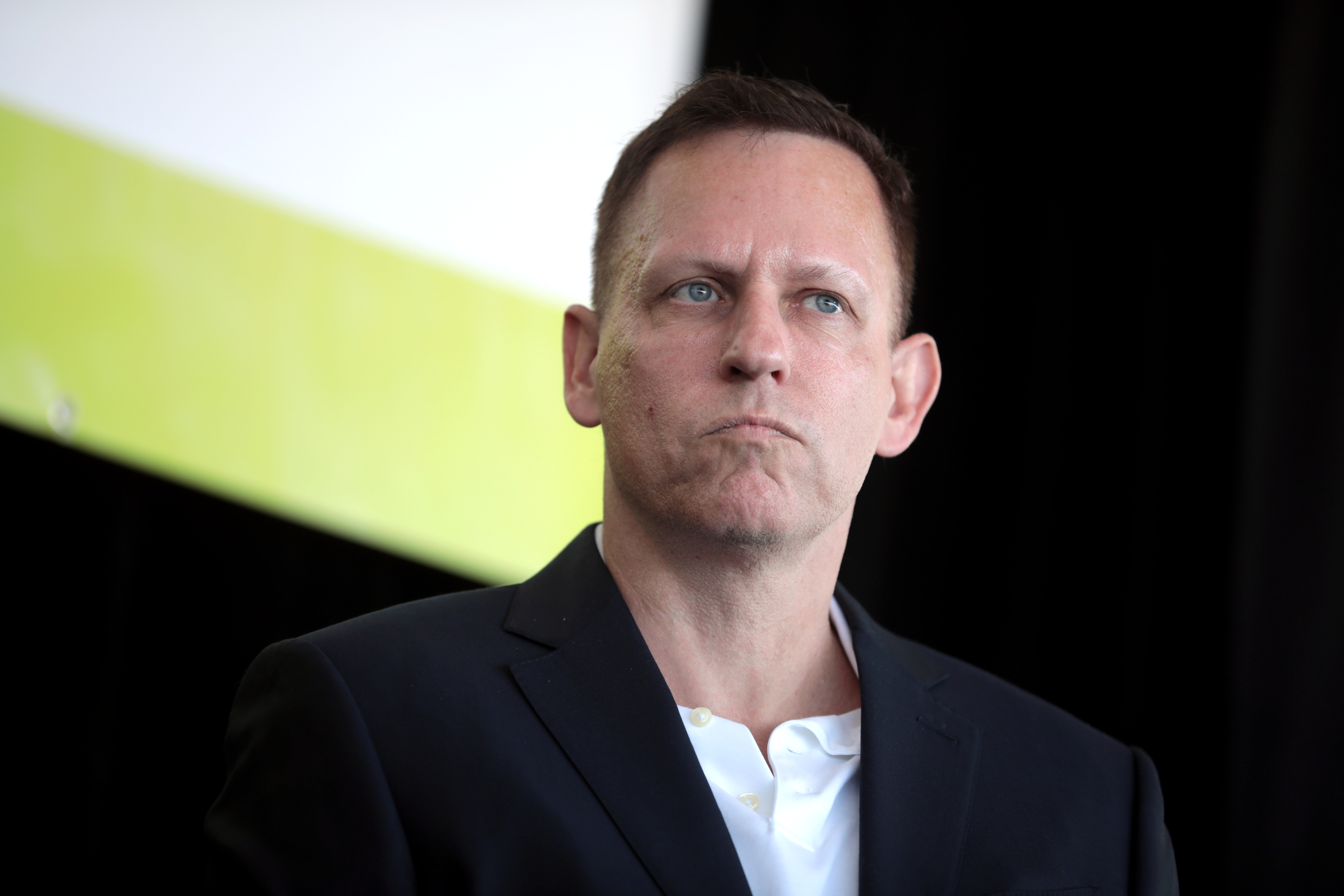
Thiel co-founded Palantir Technologies in 2003, a data analytics company that would become a major contractor for intelligence agencies and eventually go public with a market capitalization in the tens of billions. He also established Founders Fund, a venture capital firm, and made what is arguably the most famous angel investment in tech history: $500,000 for a 10.2% stake in Facebook in the summer of 2004. That investment would eventually be worth over a billion dollars — a $500,000 bet on a college social network built by a 19-year-old, and one of the most profitable angel investments ever made.
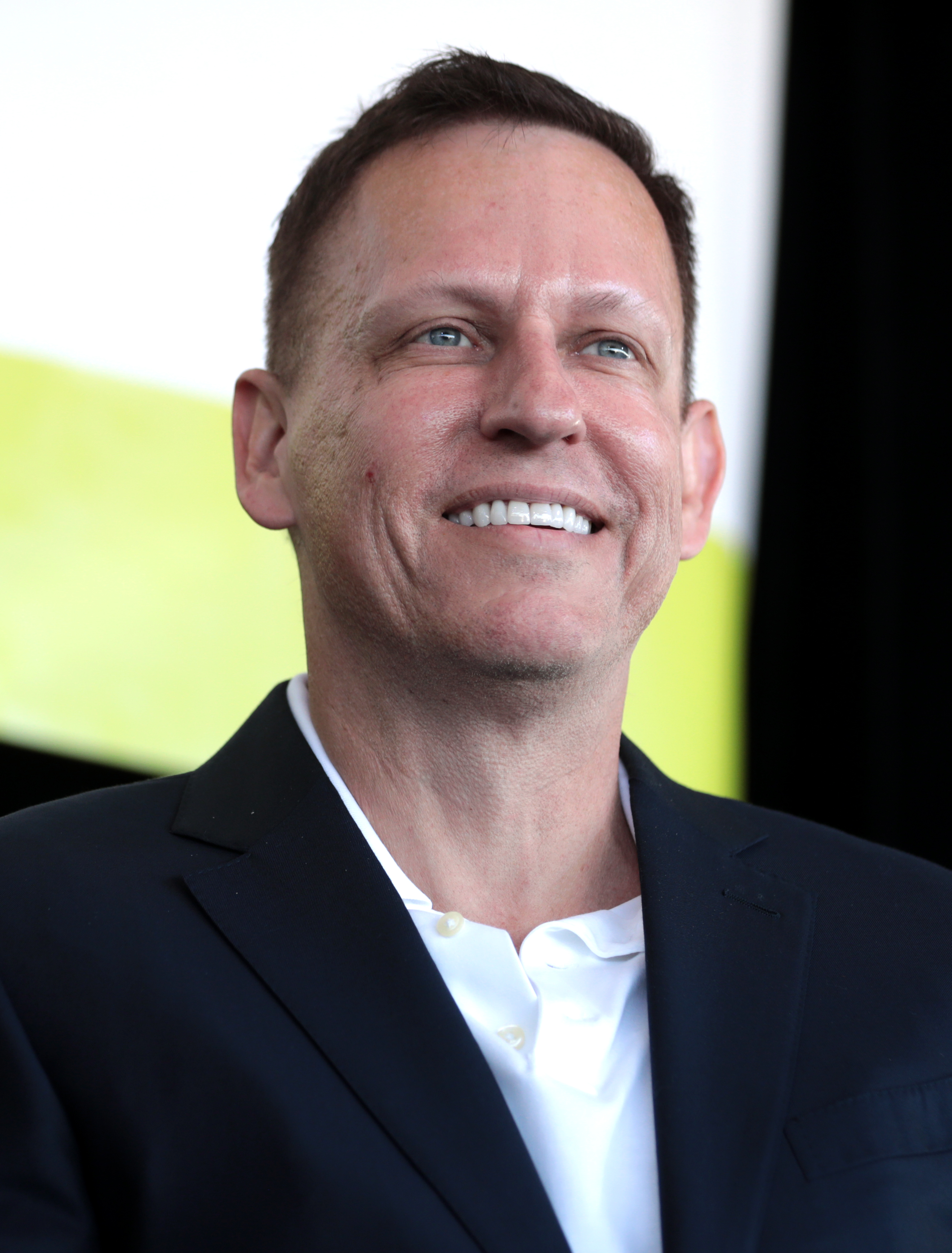 Photo by Gage Skidmore, Wikimedia Commons. License: CC BY-SA 3.0.
Max Levchin: From PayPal CTO to Affirm
Levchin, PayPal’s co-founder and CTO, went on to build several companies. His most significant post-PayPal venture is Affirm, the buy-now-pay-later platform that went public in 2021. Affirm brought the same philosophy of making financial transactions simpler and more transparent that had driven PayPal’s early success.
Reid Hoffman: LinkedIn
Reid Hoffman was an executive vice president at PayPal. In 2002, shortly after the eBay acquisition, he co-founded LinkedIn, the professional networking platform that would transform how people find jobs, build careers, and make business connections. Microsoft acquired LinkedIn in 2016 for $26.2 billion.
Steve Chen and Chad Hurley: YouTube
Steve Chen, a PayPal engineer, teamed up with fellow PayPal alumnus Chad Hurley and Jawed Karim to create YouTube in 2005. Google acquired it in 2006 for $1.65 billion. The platform that now hosts more than ten billion videos and serves billions of users daily was built by people who had learned how to scale a product at PayPal.
David Sacks: Yammer
David Sacks, PayPal’s COO, founded Yammer, an enterprise social networking service, in 2008. Microsoft acquired Yammer in 2012 for $1.2 billion. Sacks later became COO at Zenefits and an influential venture capitalist and podcast host.
Roelof Botha: Sequoia Capital
Roelof Botha, PayPal’s CFO, joined Sequoia Capital, one of the most prestigious venture capital firms in the world. He eventually became the firm’s senior steward, overseeing investments in companies like YouTube, Instagram, and WhatsApp. A former PayPal CFO helping to fund the next generation of startups, several of which were founded by his former PayPal colleagues.
Yishan Wong: Reddit
Yishan Wong, a PayPal engineering manager, went on to become the CEO of Reddit in 2012. He helped guide the platform through a critical growth period before stepping down in 2014.
Elon Musk: SpaceX and Tesla
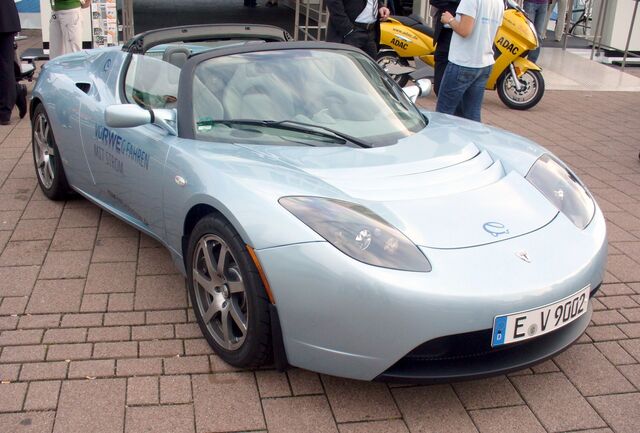
And then there was Musk. After the eBay acquisition, he took his PayPal proceeds and made three enormous bets: $100 million into SpaceX, $70 million into Tesla, and $10 million into SolarCity. Two of those companies are now worth hundreds of billions of dollars.
It Wasn’t Luck
I kept asking myself: is this just a coincidence? Is it simply that PayPal happened to attract talented people who would have built great companies anyway? Or was there something about the PayPal experience itself that made these people more likely to succeed afterward?
I did not have a board, a cofounder, or investors to hold me accountable. The result was ten years of comfortable drift. Accountability is not a burden — it is the thing that keeps you honest about whether you are actually building something.
The founders in these stories all had a moment where they decided: this is going to be big, or it is not worth doing. I never had that moment. I decided: this is going to pay the bills. And it did. Nothing more.
The more I researched, the more I became convinced it was the latter. And the reason comes down to a concept I explored in my article on the Netflix Keeper Test: talent density. Netflix’s Reed Hastings would independently discover the same principle — that talent density drives everything.
PayPal between 1999 and 2002 was not a comfortable place to work. The company was in a constant state of crisis. It was fighting fraud at massive scale. It was managing a merger between two companies with clashing cultures. It was surviving the dot-com crash that destroyed most of its contemporaries. It replaced its CEO. It changed its name. It pivoted its strategy.
In that kind of environment, only a specific type of person thrives. People who can make decisions under extreme uncertainty. People who can ship products fast and iterate faster. People who treat problems as puzzles rather than obstacles. The people who couldn’t operate at that pace left. The people who stayed were forged by it. Surround exceptional people with exceptional pressure and exceptional things happen — that is the core principle behind talent density, and PayPal was an accidental laboratory for proving it.
The Network Effect of People
There is another dimension to the PayPal Mafia that goes beyond individual talent: the network. After the eBay acquisition, these people didn’t just go their separate ways. They invested in each other’s companies. They sat on each other’s boards. They introduced each other to investors, customers, and potential hires.
Thiel invested in Musk’s SpaceX. Hoffman and Thiel both invested in Facebook. Botha at Sequoia funded YouTube, which was started by Chen and Hurley. The web of connections from PayPal created a trust network that accelerated every subsequent venture.
This is something that rarely gets discussed when people talk about Silicon Valley’s success. It is not just about individual brilliance. It is about the relationships formed in the trenches of a shared experience. When you have worked alongside someone during a company’s most chaotic period and watched them perform under pressure, you have a level of confidence in their abilities that no resume or pitch deck can replicate.
The Alumni Network as a Launchpad
I keep coming back to a simple observation. The PayPal Mafia did not plan to become the most influential alumni network in tech history. There was no grand strategy. There was no pact. There was just a group of highly driven, unusually talented people who worked together at a specific moment in time, learned from each other, and then went out and applied those lessons to new problems.
The combined value of companies founded or co-founded by PayPal alumni is well into the trillions of dollars. YouTube, LinkedIn, Tesla, SpaceX, Palantir, Affirm, Yelp, Yammer — the list reads like a directory of the companies that defined the first two decades of the 21st century.
And it all traces back to a payments company in Palo Alto that almost didn’t survive its own internal politics.
What This Means for Everyone Else
The PayPal Mafia story is exceptional, but the principle behind it is not. The greatest companies often come from the alumni networks of previous ones. The people you work with today may be the founders, investors, and partners you work with for the rest of your career. The culture you build together, the standards you hold, the pressure you endure, these things create bonds and capabilities that outlast any single company.
If you find yourself surrounded by people who challenge you, who push you to think bigger and move faster, who refuse to accept mediocre work, pay attention. You might be sitting in the middle of your own mafia. And the most important thing you can do is be worthy of that network when the time comes to build something new.
The PayPal Mafia didn’t succeed because they were lucky. They succeeded because they earned each other’s respect in the hardest possible environment, and then they spent the next twenty years proving that the respect was deserved.
Sources
- Ashlee Vance, Elon Musk: Tesla, SpaceX, and the Quest for a Fantastic Future, Ecco, 2015 (Chapter 5: PayPal Mafia Boss)
- Eric Jorgenson, The Book of Elon, 2021
- Franziska M. Renz and Julian U. N. Vogel, “Elon Musk: Leader or Liability?”, Journal of Case Research and Inquiry, Vol. 6, 2020
- Jimmy Soni, The Founders: The Story of PayPal and the Entrepreneurs Who Shaped Silicon Valley, Simon & Schuster, 2022
- Fortune, “Meet the PayPal Mafia,” November 2007