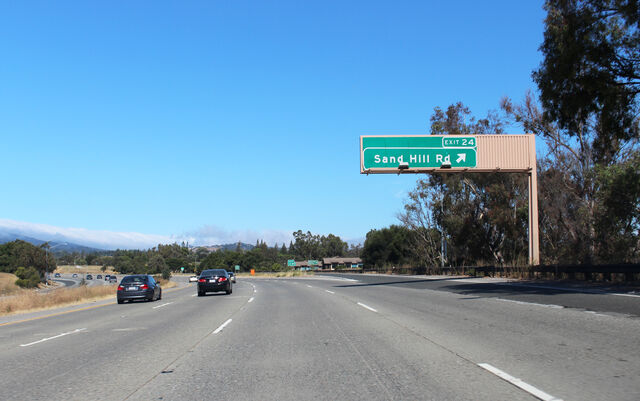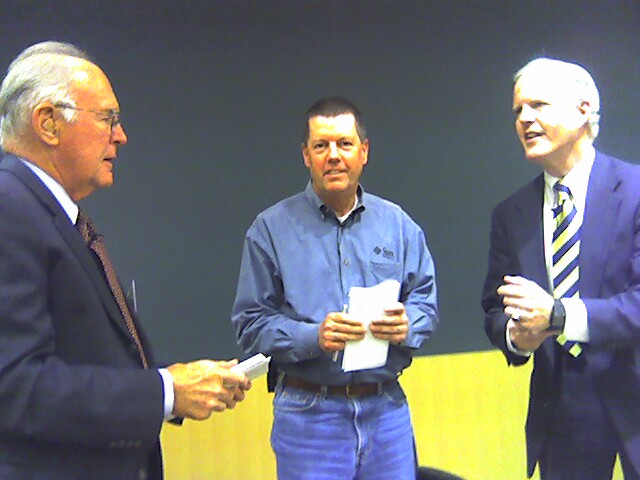
I was driving past one of those neighbourhoods where every house has a gate and a three-car garage, and my buddy in the passenger seat said “imagine what the rent is on this street.” That got me thinking about a street in California where the rent is almost beside the point, because the real currency is access to billions in startup funding. Musk was driving on Sand Hill Road when he crashed his McLaren, and of all the roads in Silicon Valley, he was on that one. The same road where the venture capitalists who funded his companies had their offices. The same road where Sequoia Capital, Kleiner Perkins, Andreessen Horowitz, and dozens of other firms decide which startups live and which ones die.
I started digging into the history of Sand Hill Road itself, and what I found was a story about how one unremarkable two-mile stretch of asphalt in Menlo Park, California became the most powerful address in the technology industry.
How One Road Became the Center of Venture Capital
Sand Hill Road runs roughly two miles along the eastern edge of the Stanford University campus, connecting Interstate 280 to Santa Cruz Avenue in Menlo Park. There is nothing architecturally impressive about it. The buildings are low-slung office parks surrounded by oak trees. You could drive past without noticing anything remarkable. But behind those unassuming facades, more wealth has been created – and destroyed – than on perhaps any other street in the world.
The story begins in 1972, when Kleiner Perkins (then Kleiner Perkins Caufield & Byers) set up shop on Sand Hill Road. Tom Perkins and Eugene Kleiner chose the location for its proximity to Stanford, which was already producing a steady pipeline of engineering talent and research. Sequoia Capital, founded by Don Valentine the same year, followed shortly after. The proximity to Stanford was not a coincidence. Frederick Terman, Stanford’s dean of engineering, had been encouraging students to start companies since the 1950s, and the university’s research parks provided a natural ecosystem for commercializing academic research.
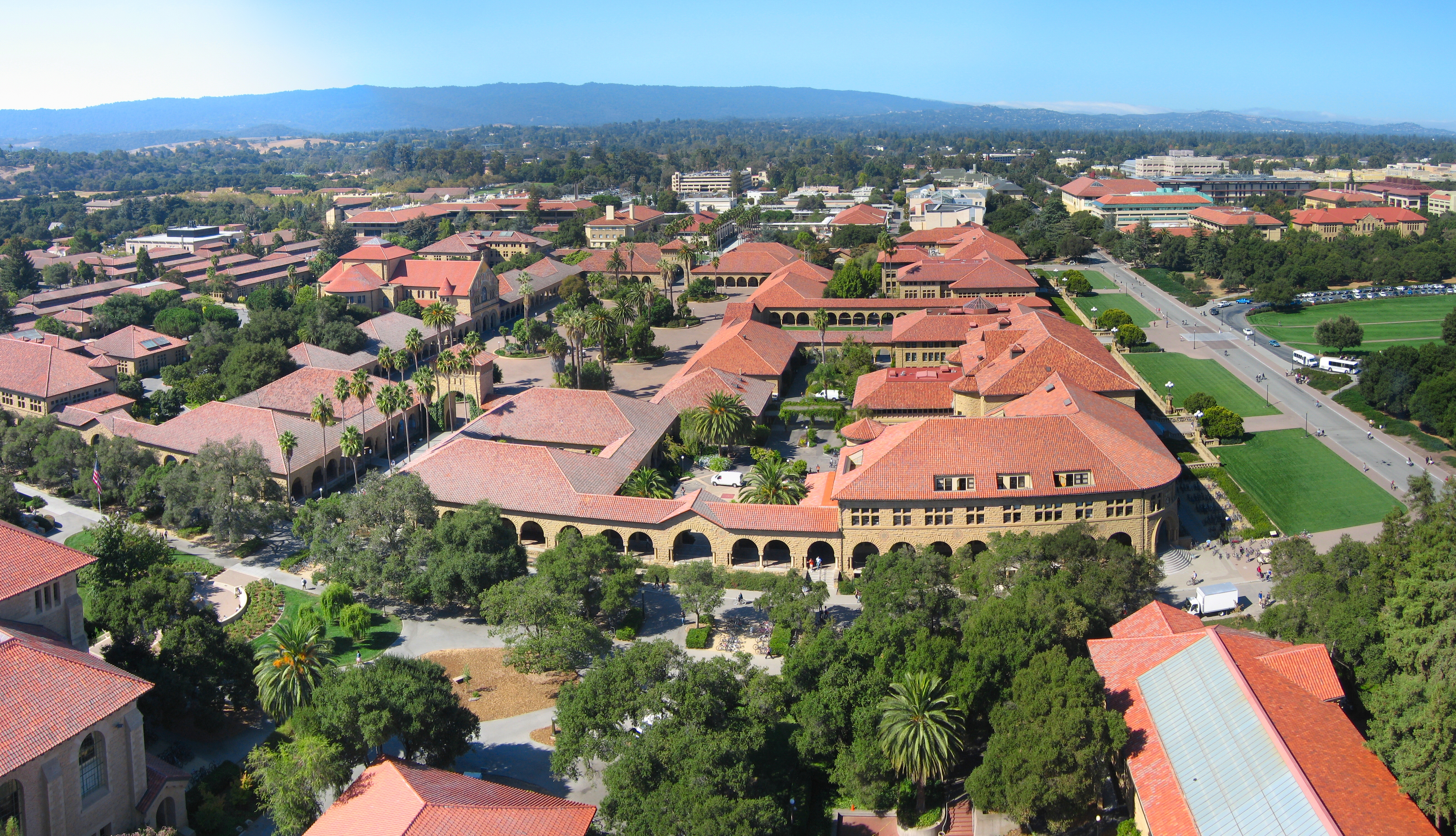
By the 1980s, a cluster effect had taken hold. New venture capital firms chose Sand Hill Road because the existing firms were already there. Limited partners – the pension funds, endowments, and wealthy individuals who invest in venture funds – could visit multiple firms in a single trip. Entrepreneurs could pitch three or four firms in one afternoon. The concentration of capital attracted more capital, which attracted more entrepreneurs, which attracted more capital. It was a self-reinforcing cycle.
The Numbers Behind the Address
The scale of capital flowing through Sand Hill Road is difficult to comprehend. By the late 1990s, during the dot-com boom, venture capital firms on and around Sand Hill Road were deploying billions of dollars per year into startups. According to the National Venture Capital Association, total U.S. venture capital investment reached roughly $104 billion in 2000, and a disproportionate share of that money flowed through firms headquartered on this single road.
The office rents reflected the concentration of power. At its peak, Sand Hill Road office space commanded some of the highest commercial rents in the United States, rivaling or exceeding midtown Manhattan. Firms paid premium prices not for the physical space but for the address itself – being on Sand Hill Road signaled legitimacy to limited partners and entrepreneurs alike.
The Firms That Defined an Era
Kleiner Perkins backed Amazon, Google, Netscape, and dozens of other defining companies. John Doerr, who joined the firm in 1980, became arguably the most influential venture capitalist in history. His investment in Google in 1999 turned $12.5 million into billions.
Sequoia Capital funded Apple, Cisco, Oracle, Yahoo, Google (alongside Kleiner Perkins), YouTube, Instagram, and WhatsApp. Don Valentine’s original thesis – invest in large markets rather than specific technologies – became a foundational principle of venture investing.
Andreessen Horowitz (a16z), founded in 2009 by Marc Andreessen and Ben Horowitz, set up on Sand Hill Road and is still headquartered there. The firm brought a media-company approach to venture capital, building a content and services platform around its investments.
These firms and their neighbors on Sand Hill Road did not just fund companies. They shaped the strategic direction of the technology industry. A partner meeting at Kleiner Perkins or Sequoia could determine whether an idea received $10 million in funding or was sent back to the drawing board.
The Culture of the Pitch
I found the cultural rituals of Sand Hill Road fascinating. The standard venture capital pitch evolved into a highly structured performance. Entrepreneurs would arrive at the low-slung office buildings, check in at reception, and wait in lobbies decorated with photos of successful portfolio companies. They would then present to a room of partners for roughly 45 minutes – 20 minutes of presentation, 25 minutes of questions.
The rejection rate was staggering. Top-tier firms like Sequoia and Kleiner Perkins funded fewer than 1 percent of the companies that pitched them. The firms received thousands of business plans per year and invested in perhaps 15 to 20 new companies annually. The odds were brutal, but the potential payoffs were enormous.
Many of the entrepreneurs who walked into those offices were Stanford graduates or professors. The physical proximity mattered. A Stanford PhD student could walk from their lab to a Sand Hill Road office in under 30 minutes. That proximity created informal networks – chance encounters at coffee shops, introductions at Stanford events, recommendations from professors who consulted for VC-backed companies.
The Shift Away from Sand Hill Road
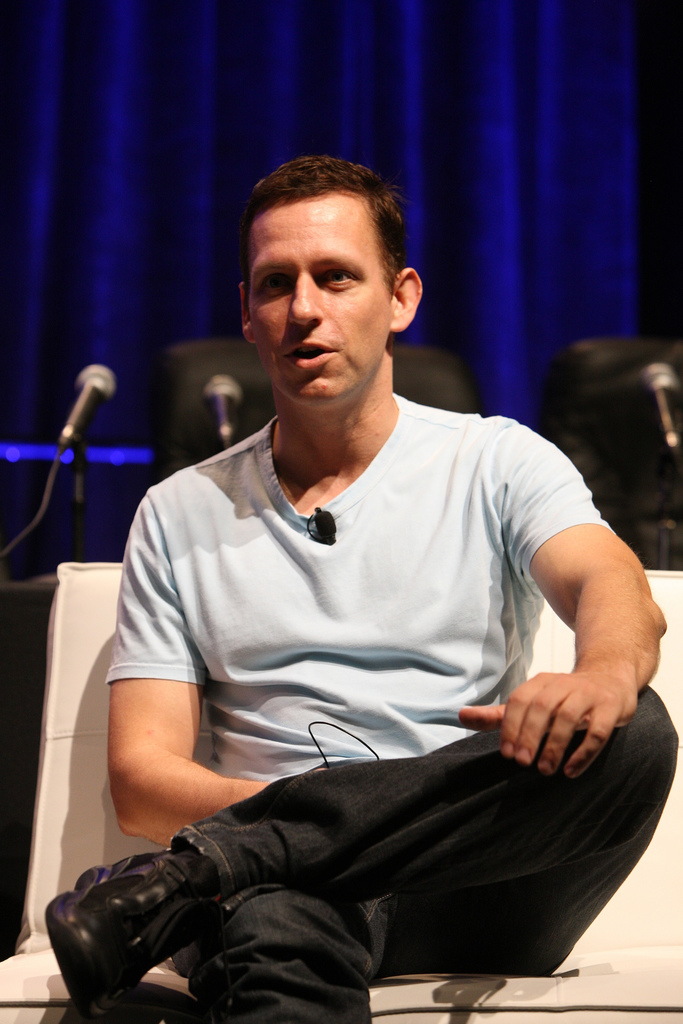
Something interesting has happened in the last decade. The gravitational pull of Sand Hill Road has weakened. Several major firms have moved their headquarters to San Francisco, closer to where many founders now live and work. Peter Thiel’s Founders Fund operates from San Francisco. Many newer firms never established a Sand Hill Road presence at all.
The rise of remote work, the decentralization of startup ecosystems to cities like Austin, Miami, and New York, and the emergence of alternative funding mechanisms like crowdfunding and rolling funds have all diluted Sand Hill Road’s monopoly on startup capital. The dot-com crash temporarily reduced the flow of capital, and each subsequent correction has reinforced the idea that geographic concentration is not strictly necessary for venture investing.
Yet Sand Hill Road remains the symbolic center of venture capital. When people talk about “Silicon Valley money,” they are talking about the firms that built their reputations on that road. The decisions made in those low-slung offices along that two-mile stretch funded the companies that reshaped how we communicate, work, shop, and live.
Why Geography Still Matters
I walked away from this research convinced that Sand Hill Road’s power was never really about the road itself. It was about proximity – to Stanford, to entrepreneurs, to other investors, and to the informal networks that turn chance conversations into billion-dollar companies. The road was just the physical expression of a network effect. And like all network effects, it was extraordinarily difficult to replicate elsewhere.
The question going forward is whether that network effect can survive without the physical concentration. My sense is that Sand Hill Road’s influence has peaked but its legacy is permanent. The firms born on that road created the venture capital playbook that every investor in the world now follows. That is a remarkable achievement for a two-mile stretch of unremarkable asphalt in Menlo Park.
Sources
- Sebastian Mallaby, The Power Law: Venture Capital and the Making of the New Future (Penguin Press, 2022).
- Tom Nicholas, VC: An American History (Harvard University Press, 2019).
- National Venture Capital Association, annual yearbook data, 1995-2005.
- “The Epicenter of Venture Capital,” The Wall Street Journal, various articles, 1998-2002.
- C. Stewart Gillmor, Fred Terman at Stanford: Building a Discipline, a University, and Silicon Valley (Stanford University Press, 2004).
- John Doerr, Measure What Matters (Portfolio/Penguin, 2018).