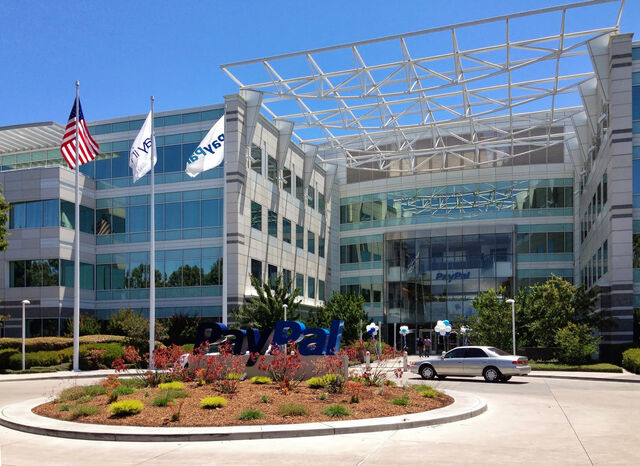
The power went out at my house last week – just a blown transformer, nothing dramatic – and I sat there with a candle, no Wi-Fi, thinking about how fragile the things we depend on really are. That led my brain somewhere unexpected: back to how PayPal started as a PalmPilot app and how the PayPal Mafia scattered and built half of Silicon Valley. Specifically, to a part of the story I kept circling back to and never fully explored: how close PayPal came to dying. Not once, not twice, but four separate times between 2000 and 2002. Each near-death experience would have killed most companies. PayPal survived all of them, went public, and sold to eBay for $1.5 billion within months of its IPO.
The question that kept pulling me in was simple. How does a company survive four existential crises in less than three years?
Near-Death No. 1: Burning $10 Million a Month on Signup Bonuses
In late 1999 and early 2000, PayPal was in an arms race with X.com (Elon Musk’s online banking startup) to acquire customers. Both companies offered cash bonuses to new users. PayPal paid $20 to every new signup and $20 to anyone who referred a friend. That meant acquiring a single customer cost $40 before they had sent a single penny through the system.
The growth was explosive. PayPal’s user base jumped from 100,000 to over a million in a matter of months. But the company was hemorrhaging cash at a rate of roughly $10 million per month. Peter Thiel later recalled that they calculated the company would run out of money entirely within months if nothing changed. The burn rate was not sustainable by any measure, and the bonuses could not simply be turned off without stalling the growth that venture capitalists were funding.
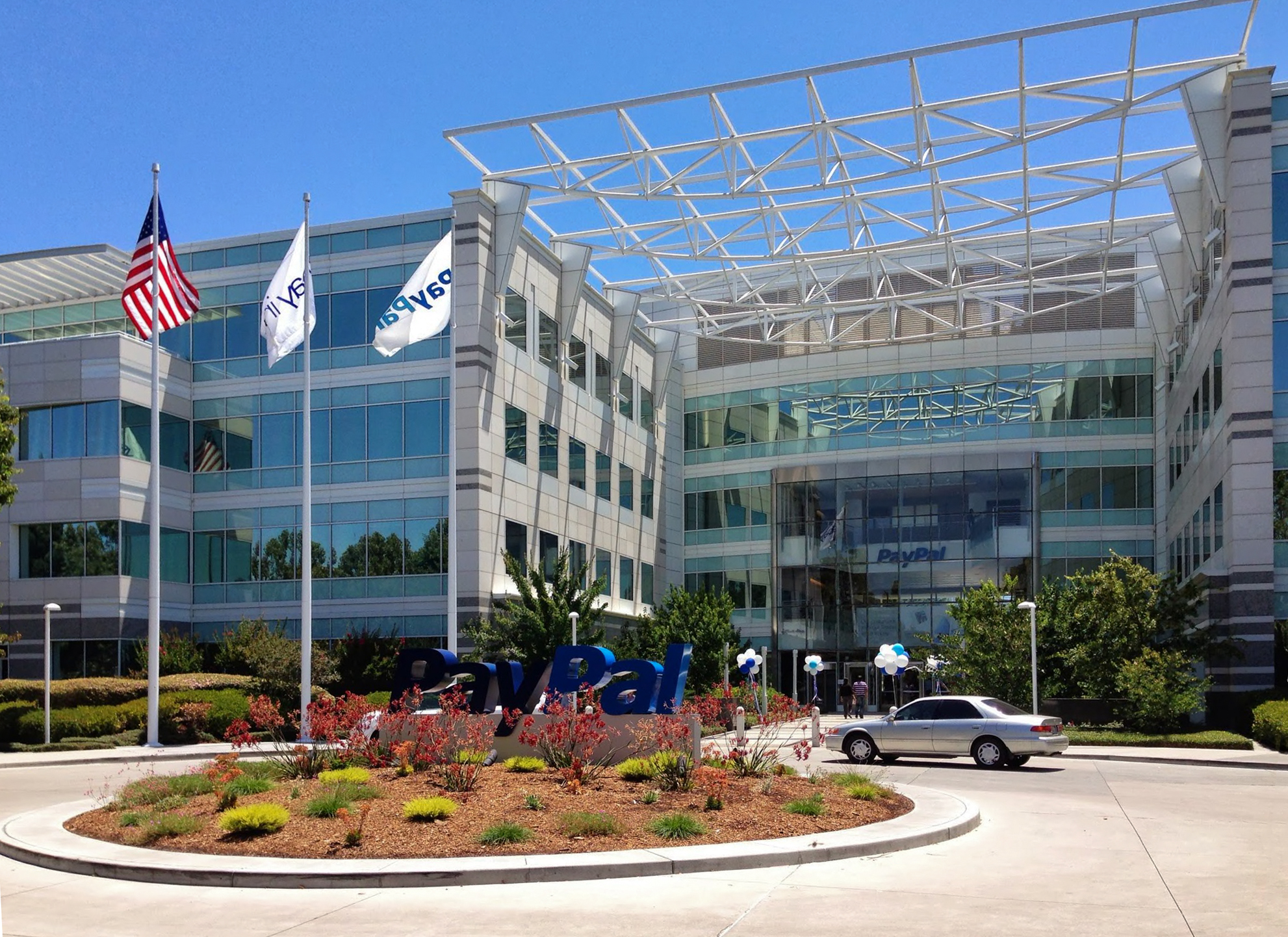
The merge with X.com in March 2000 bought time. The combined entity had more runway and could stop competing with itself for the same users. The bonuses were gradually reduced from $20 to $10, then to $5, and eventually eliminated entirely. But the damage was done – PayPal had spent tens of millions of dollars just to reach a critical mass of users who had not yet generated meaningful revenue.
Near-Death No. 2: Fraud Nearly Bankrupted the Company
If the signup bonuses were a self-inflicted wound, the fraud crisis was an external assault. By mid-2000, organized criminals had discovered that PayPal was a remarkably easy target. Fraudsters would create fake accounts, link stolen credit cards, and transfer money to accomplices who would withdraw it before anyone noticed. The losses were staggering. At one point, fraud was costing PayPal between $5 million and $10 million per month, according to multiple accounts from the leadership team.
Max Levchin, PayPal’s co-founder and CTO, became obsessed with solving the problem. He built an in-house fraud detection system called “Igor” that used machine learning and pattern recognition to identify suspicious transactions. The system evolved over months, learning from each new fraud pattern. Levchin’s team introduced CAPTCHAs, velocity checks, and behavioral analysis. They built what was arguably the most sophisticated fraud detection system in fintech at the time.
The fraud rate dropped from catastrophic to manageable. Levchin described the work as a constant arms race — every time they plugged one hole, the fraudsters found another, but his team got faster at plugging holes than the criminals were at finding them. That work became one of PayPal’s core competitive advantages and a blueprint that financial technology companies still study today.
Near-Death No. 3: eBay Tried to Kill Them with Billpoint
By 2001, PayPal had become the dominant payment system on eBay’s platform. More than 70 percent of eBay auctions offered PayPal as a payment option, according to PayPal’s own data at the time. This should have been a cause for celebration, but it created a massive existential risk: eBay wanted to own its own payment system.
eBay launched Billpoint, its in-house payment service, and actively promoted it over PayPal. eBay placed Billpoint logos prominently on auction pages, offered sellers incentives to use Billpoint, and at various points made it harder for PayPal to operate on the platform. The message was clear: eBay wanted PayPal gone.
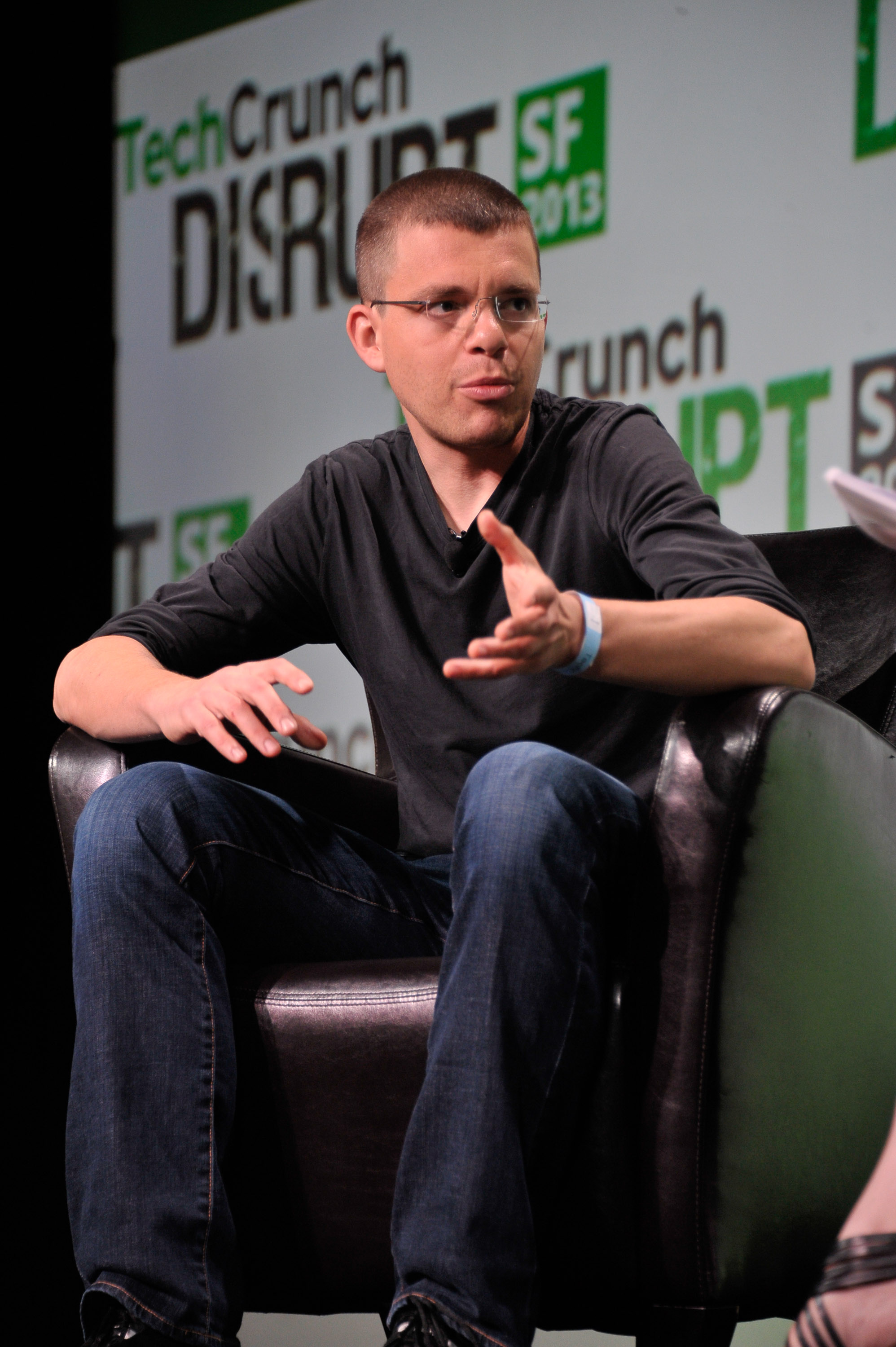
PayPal fought back by being relentlessly better. The product was faster, more reliable, and already trusted by millions of users. Sellers preferred PayPal because buyers preferred PayPal. The network effect that had cost tens of millions to build now worked as a defensive moat. Despite eBay’s best efforts, Billpoint never gained significant traction. Sellers kept choosing PayPal because it simply worked better and their customers expected it.
Near-Death No. 4: The Post-9/11 Regulatory Crackdown
The fourth near-death experience came from a direction no one anticipated. After the September 11, 2001 attacks, the United States government launched a sweeping crackdown on financial services to prevent money laundering and terrorist financing. PayPal, which was essentially operating as an unlicensed money transmitter in many states, found itself in the crosshairs of regulators.
State attorneys general began investigating PayPal. The company faced potential fines, legal action, and the very real possibility of being shut down entirely in certain states. Louisiana actually barred PayPal from operating within its borders for a period. The compliance costs were enormous, and the legal uncertainty made the upcoming IPO look increasingly unlikely.
PayPal hired an army of compliance officers and lawyers. They registered as a money transmitter in every state that required it. They implemented Know Your Customer (KYC) procedures that were painful for users but essential for survival. The company spent millions on compliance infrastructure that generated zero revenue but kept the doors open.
The IPO and the Exit
Against all odds, PayPal went public on February 15, 2002, pricing its IPO at $13 per share. The stock rose 55 percent on its first day of trading, closing at over $20. It was one of the first successful tech IPOs after the dot-com crash, proving that the market still had an appetite for companies with real revenue and real users.
The IPO raised approximately $70 million and valued PayPal at nearly $1 billion. But the story did not end there. Just eight months later, in October 2002, eBay acquired PayPal for $1.5 billion. The company that had tried to kill PayPal with Billpoint ultimately decided it was cheaper to buy them. The same executives who had fought to destroy PayPal now wrote a check for $1.5 billion to own it.
What the Four Crises Reveal
I keep coming back to these four near-death experiences because they reveal something important about what separates companies that survive from companies that don’t. PayPal did not survive because it avoided problems. It survived because each crisis forced the team to build something that became a lasting advantage. The signup bonuses created a massive user base. The fraud crisis produced world-class detection systems. The eBay battle proved that product quality could overcome platform power. The regulatory crackdown forced PayPal to build compliance infrastructure that later became essential as fintech regulation expanded.
Every one of those crises could have been the end. Instead, each one made the company stronger. The PayPal alumni who went on to build YouTube, LinkedIn, Tesla, and Palantir carried these lessons with them. They learned at PayPal that survival is not about avoiding crises – it is about building faster than the crises can destroy.
That might be the most valuable lesson PayPal ever taught.
Sources
- Eric M. Jackson, The PayPal Wars: Battles with eBay, the Media, the Mafia, and the Rest of Planet Earth (World Ahead Publishing, 2004).
- Max Levchin, interview with Stanford Technology Ventures Program, 2005.
- Jimmy Soni, The Founders: The Story of PayPal and the Entrepreneurs Who Shaped Silicon Valley (Simon & Schuster, 2022).
- Peter Thiel with Blake Masters, Zero to One: Notes on Startups, or How to Build the Future (Crown Business, 2014).
- “The PayPal Mafia,” Fortune, November 2007.
- PayPal IPO prospectus, SEC filing, February 2002.