

I touched on this episode briefly in my article about how Musk bet everything on X.com, but the more I read the source material, the more I realized that telling it in a paragraph does not do it justice. This is one of the most dramatic founder ousters in Silicon Valley history, and the details matter because they reveal something important about what happens when a company’s internal culture fractures faster than its product can grow.
What kind of boardroom coup gets executed while the CEO is literally on a plane?
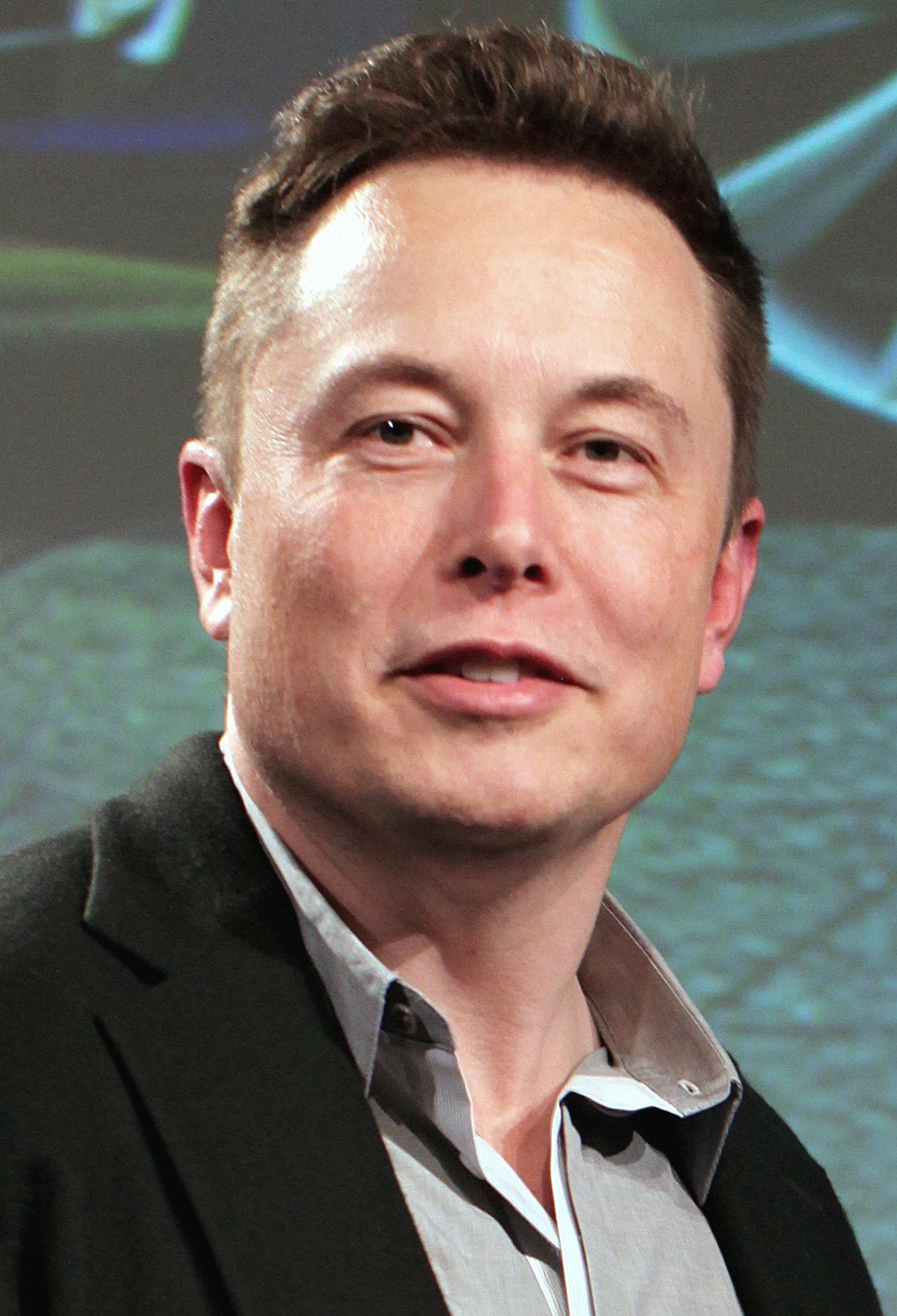 Photo: Steve Jurvetson, Wikimedia Commons. CC BY 2.0.
A Merger That Was Really Two Companies in One
In March 2000, Musk’s X.com and Peter Thiel and Max Levchin’s Confinity merged. On paper, it made perfect sense. Both companies were building digital payment products in Palo Alto, burning through cash to acquire the same customers, and engaged in a referral bonus war that was costing each of them millions. Merging was the rational move.
But a merger on paper is not a merger in practice. The combined company operated under the X.com name, with Musk as CEO and largest shareholder. Underneath that clean org chart, however, were two fundamentally different cultures that had been competing with each other just weeks earlier. The X.com people and the Confinity people disagreed on almost everything that mattered.
The fights were not abstract. They were specific and bitter. Should the brand be X.com or PayPal? Should the technology stack run on Microsoft or Linux? Should the company pursue full-service online banking or focus exclusively on person-to-person payments? Each question was a proxy war for which team’s vision would define the company’s future.
The Fracture
Two months after the merger, the tensions boiled over. Peter Thiel resigned. Max Levchin threatened to walk out. As Ashlee Vance writes in his biography of Musk, “Musk was left to run a fractured company.”
And running it was getting harder by the day. The combined customer base was exploding, but the computing systems could not keep up. The website collapsed on a nearly weekly basis. The engineers who should have been redesigning the infrastructure were pulled in every direction, leaving X.com dangerously exposed to fraud. Jeremy Stoppelman, who was twenty-three at the time and would later go on to co-found Yelp, described the financial hemorrhage bluntly:
“We were losing money hand over fist.” – Jeremy Stoppelman, as quoted in Ashlee Vance, Elon Musk (2015)
Meanwhile, Roelof Botha, the company’s CFO who would go on to become one of the most powerful venture capitalists in Silicon Valley as a senior partner at Sequoia Capital, was growing concerned about the gap between what the board was being told and what was actually happening inside the company. As Vance puts it, Botha “did not think Musk provided the board with a true picture of X.com’s issues.”
The Bar Where It All Started
The conspiracy did not begin in a boardroom. It began at a bar.
After ten years in hosting, the thing I am most certain of is that the technical skills I was proud of were never the bottleneck. The bottleneck was the business skills I never bothered to learn.
“A small group of X.com employees gathered one night at Fanny & Alexander, a now-defunct bar in Palo Alto, and brainstormed about how to push out Musk.” – Ashlee Vance, Elon Musk (2015)
The plan that emerged was straightforward: bring back Peter Thiel as CEO. But the conspirators made a deliberate choice. Instead of confronting Musk directly, instead of sitting him down and telling him they had lost confidence in his leadership, they decided to act behind his back. They would wait for the right moment.
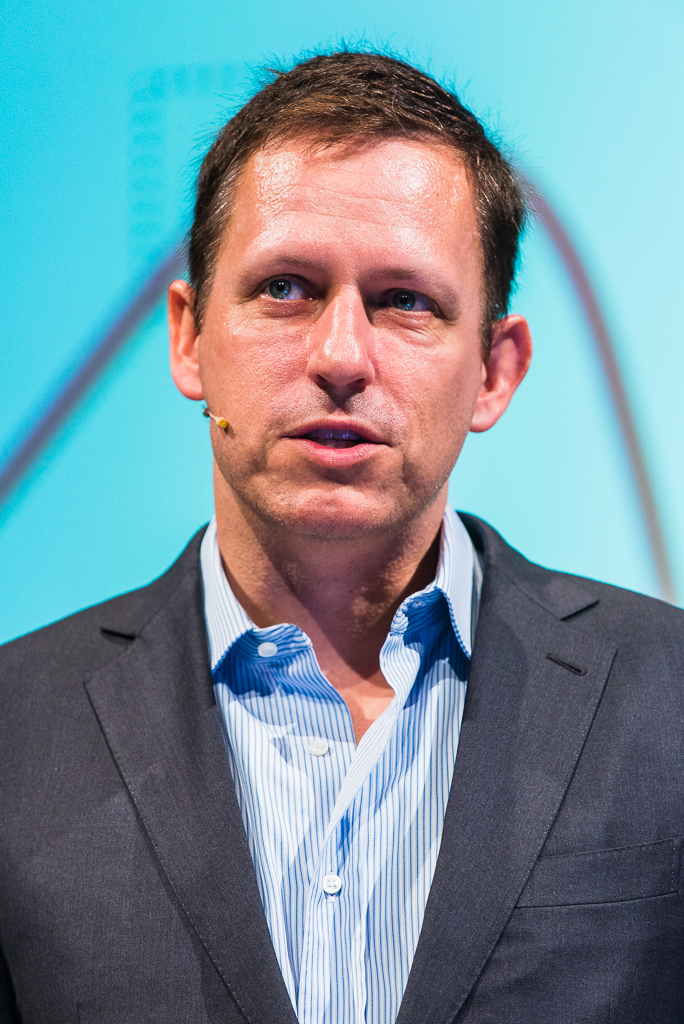 Photo: Wikimedia Commons. CC BY 2.0.
That moment came in September 2000.
The Honeymoon Flight
Musk had married Justine Wilson in January 2000, but he had been too consumed by X.com to take a honeymoon. By September, the opportunity finally arrived: a fund-raising trip to Sydney for the Olympic Games that could double as a belated honeymoon. For perhaps the first time since founding Zip2 years earlier, Musk stepped away.
As Vance recounts, the timing was not coincidental:
“As they boarded their flight one night, X.com executives delivered letters of no confidence to X.com’s board.” – Ashlee Vance, Elon Musk (2015)
The coup was underway the moment Musk’s plane left the ground.
One employee who was not part of the conspiracy was Julie Ankenbrandt, who had been loyal to Musk. When she realized what was happening, she raced to the office and tried to warn him. But Musk was thirty thousand feet over the Pacific Ocean with no way to receive the call. “I went to the office at ten thirty that night, and everyone was there,” Ankenbrandt later recalled. “I could not believe it. I am frantically trying to call Elon, but he’s on a plane.”
By the time the plane touched down in Sydney, the board had voted. Musk had been replaced. Peter Thiel was the new CEO.
The Aftermath
What Musk did next reveals more about his character than almost any other episode in his career. He booked a seat on the next available flight back to confront the situation head-on. Justine Musk later reflected on the moment with notable understatement: “It was shocking, but I will give Elon this – I thought he handled it pretty well.”
Musk did try to fight the decision. He called Michael Moritz at Sequoia and other board members, not necessarily to reclaim the CEO title but to make sure certain strategic priorities would survive the leadership change. As Musk himself put it: “I talked to Moritz and a few others. It wasn’t so much that I wanted to be CEO but more like, ‘Hey, I think there are some pretty important things that need to happen, and if I’m not CEO, I’m not sure they are going to happen.’ But then I talked to Max and Peter, and it seemed like they would make these things happen.”
Many of the original X.com employees who had been with Musk since before the merger were furious. Stoppelman, the future Yelp CEO, “went into a conference room and tore into Thiel and Levchin.” Branden Spikes, Musk’s longtime engineer who had followed him from Zip2 to X.com, captured the sentiment of the loyalists: “It was backhanded and cowardly. I would have been more behind it if Elon had been in the room.”
The Decision That Made Musk $180 Million
The story diverges from the standard Silicon Valley revenge narrative. Musk did not rage-quit. He did not sell his shares. He did not sue. Instead, he showed what Roelof Botha described as incredible restraint.
“You would expect someone in Elon’s position to be bitter and vindictive, but he wasn’t. He supported Peter. He was a prince.” – Roelof Botha, as quoted in Ashlee Vance, Elon Musk (2015)
Musk stayed on the board. He kept investing. He actually increased his stake, remaining the company’s largest shareholder. By June 2001, Thiel rebranded X.com as PayPal, fully committing to the payments-only strategy that the Confinity side had championed. And in July 2002, eBay announced it would acquire PayPal for $1.5 billion, with the deal closing that October.
Musk’s payout was approximately $175 million — the sourced figure from the deal lands in the $165-180 million range. The man who had been fired from his own company still walked away with one of the largest individual payouts from the deal.
The Lesson That Changed Everything After
I have written about the PayPal Mafia and how the alumni of this one company went on to build YouTube, LinkedIn, Palantir, Yelp, and more. But for Musk specifically, the X.com coup was the formative experience that shaped everything he built afterward. When he founded SpaceX in 2002, he structured the company so that he held majority voting control. When he invested in Tesla, he fought tooth and nail to maintain founder authority over the board. He had learned, in the most visceral way possible, what happens when a founder loses control of his own company.
The malaria that nearly killed him just months after the coup, the $180 million that funded SpaceX and Tesla, the hard lessons about board dynamics and founder governance – all of it traces back to that overnight flight to Sydney in September 2000.
Getting fired on your honeymoon is a terrible experience. But Musk turned it into a masterclass in restraint, long-term thinking, and the kind of founder resilience that no business school can teach. He kept his equity, supported his successor, watched the company succeed, collected the largest check, and then used every dollar and every lesson to build the next chapter.
Not a bad outcome for a guy who lost his job at thirty thousand feet.
Sources
- Vance, Ashlee. Elon Musk: Tesla, SpaceX, and the Quest for a Fantastic Future. Ecco/HarperCollins, 2015. Chapter 5: “PayPal Mafia Boss.”
- Stoppelman, Jeremy. Quoted in Vance (2015).
- Botha, Roelof. Quoted in Vance (2015).
- Ankenbrandt, Julie. Quoted in Vance (2015).
- Spikes, Branden. Quoted in Vance (2015).
- Musk, Justine. Quoted in Vance (2015).
- Musk, Elon. Quoted in Vance (2015).




.jpg)