I have written about Elon Musk’s childhood in Pretoria, his road trip that sparked Zip2, and his near-death from malaria. But no chapter in the Musk story is as harrowing as 2008 — the year when everything he had built came within weeks of collapsing entirely, and the man who would become the richest person in the world was borrowing money to pay rent.
What happens when a founder bets everything on two companies, both fail simultaneously, and the global economy collapses around him at the same time?
 Photo: Steve Jurvetson, Wikimedia Commons. CC BY 2.0.
Did you know? The Tesla Roadster program ballooned past $140 million — the same figure Compaq got for selling AltaVista a few years earlier. Two $140 million moments, on opposite sides of the ledger.
Three Rockets, Three Failures
By the summer of 2008, SpaceX had attempted three Falcon 1 launches. Every single one had failed. The first, in March 2006, ended with a fire above the Merlin engine twenty-five seconds after liftoff. The second, in March 2007, reached space but the second stage developed a roll that caused the engine to shut down. The third, on August 3, 2008 UTC, was the most painful — a timing error caused the first and second stages to collide after separation, destroying the rocket and three satellite payloads, including one from NASA.
Musk’s face after the third failure was ashen. He had invested $100 million of his own money into SpaceX. The company had material for exactly one more rocket. If the fourth launch failed, SpaceX was finished.
“It was like, ‘One more and we’re done.’ The morale was terrible. I mean, I felt terrible. Arguably, that was the worst day of my life.” — Elon Musk, quoted in Vance, Elon Musk
Tesla Was Bleeding Out
While SpaceX was exploding rockets in the Pacific, Tesla was hemorrhaging cash in California. The Roadster was massively over budget. What was supposed to be a $25 million development program had ballooned past $140 million. The transmission didn’t work. The body was heavier than designed. Costs per vehicle were approaching $200,000 — for a car priced at $92,000 at the time.
Musk had invested $70 million into Tesla and another $10 million into SolarCity. Combined with SpaceX, he had put virtually his entire PayPal fortune — roughly $180 million — into three companies, all of which were now in trouble.
“I could either pick SpaceX or Tesla or split the money I had left between them. That was a tough decision. If I split the money, maybe both of them would die. If I gave the money to just one company, the other one would definitely die.” — Elon Musk, quoted in Vance, Elon Musk
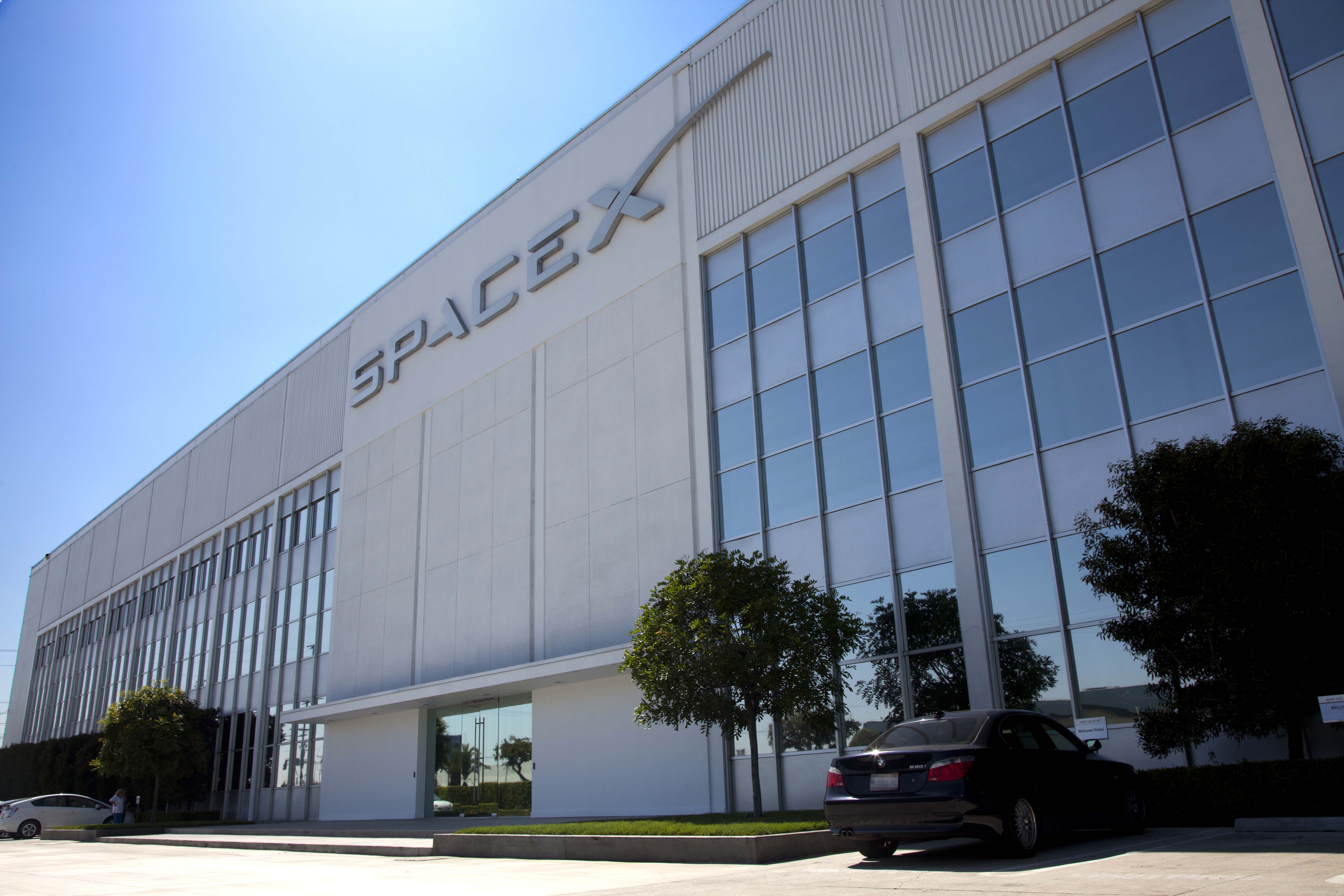 Photo: SpaceX, Wikimedia Commons. CC BY-NC 2.0.
Everything Else Was Falling Apart Too
As if two failing companies weren’t enough, Musk’s personal life was disintegrating. His marriage to Justine had ended in one of the most public, painful divorces in Silicon Valley history. She wrote about it in Marie Claire. He was sleeping on friends’ couches, trying to keep two companies alive while managing a custody arrangement for five young sons.
Then the global financial crisis hit. Lehman Brothers collapsed in September 2008. Credit markets froze. Venture capital disappeared. Detroit’s automakers went to Congress begging for bailouts. The idea of a startup electric car company surviving this environment was, by any rational analysis, absurd.
Musk was personally almost broke. The man who had walked away from PayPal with $180 million was now borrowing money from friends to cover living expenses.
The Fourth Launch
On September 28, 2008, SpaceX launched its fourth and final Falcon 1 from Kwajalein Atoll. If it failed, there would be no fifth rocket. The company would shut down.
The rocket lifted off. The first stage burned cleanly. The stages separated perfectly — the exact moment that had killed the third attempt. The second stage ignited. The Kestrel engine burned for roughly six minutes. And then, at the edge of space, the engine shut down exactly on schedule. Falcon 1 had reached orbit. It was the first privately funded liquid-fuel rocket to do so in history.
SpaceX employees erupted. People were screaming, crying, hugging strangers. Musk walked to a corner to be alone.
“I needed to go somewhere, close the door, and be alone for a minute.” — Elon Musk, quoted in Vance, Elon Musk
Twelve weeks later, on December 23, 2008, NASA formally awarded SpaceX a $1.6 billion contract for twelve resupply missions to the International Space Station. The company that had been weeks from death was now funded for the next decade.
Christmas Eve
Tesla’s rescue came even closer to the edge. Throughout the fall of 2008, Musk was organizing a funding round to keep the company alive. He put in his last personal money. He called every investor he knew. Most said no — who invests in a car company during a financial crisis?
The round finally closed on Christmas Eve 2008. Had it taken one more day, Tesla would have gone bankrupt. The company survived with hours to spare.
“I don’t ever give up. I’d have to be dead or completely incapacitated.” — Elon Musk, quoted in Jorgenson, The Book of Elon
What 2008 Built
I keep coming back to the timeline. In the span of four months — from August to December 2008 — Musk went from the lowest point of his life to saving both companies. The fourth rocket launched. NASA called. Tesla closed its round on Christmas Eve. Within two years, Tesla would IPO. Within five years, SpaceX would land a rocket.
The man who was borrowing money for rent in October 2008 would become the richest person on Earth.
What 2008 taught Musk — and what it teaches anyone who builds something ambitious — is that the distance between total failure and breakthrough success can be measured in weeks. The third launch and the fourth were separated by fifty-seven days. The only difference was whether you were still standing when the moment came.
Musk was still standing. Barely. And that made all the difference.
Sources
- Ashlee Vance, Elon Musk: Tesla, SpaceX, and the Quest for a Fantastic Future, Ecco, 2015 (Chapters 7-8)
- Eric Jorgenson, The Book of Elon, 2021
- Franziska M. Renz and Julian U. N. Vogel, “Elon Musk: Leader or Liability?”, Journal of Case Research and Inquiry, Vol. 6, 2020