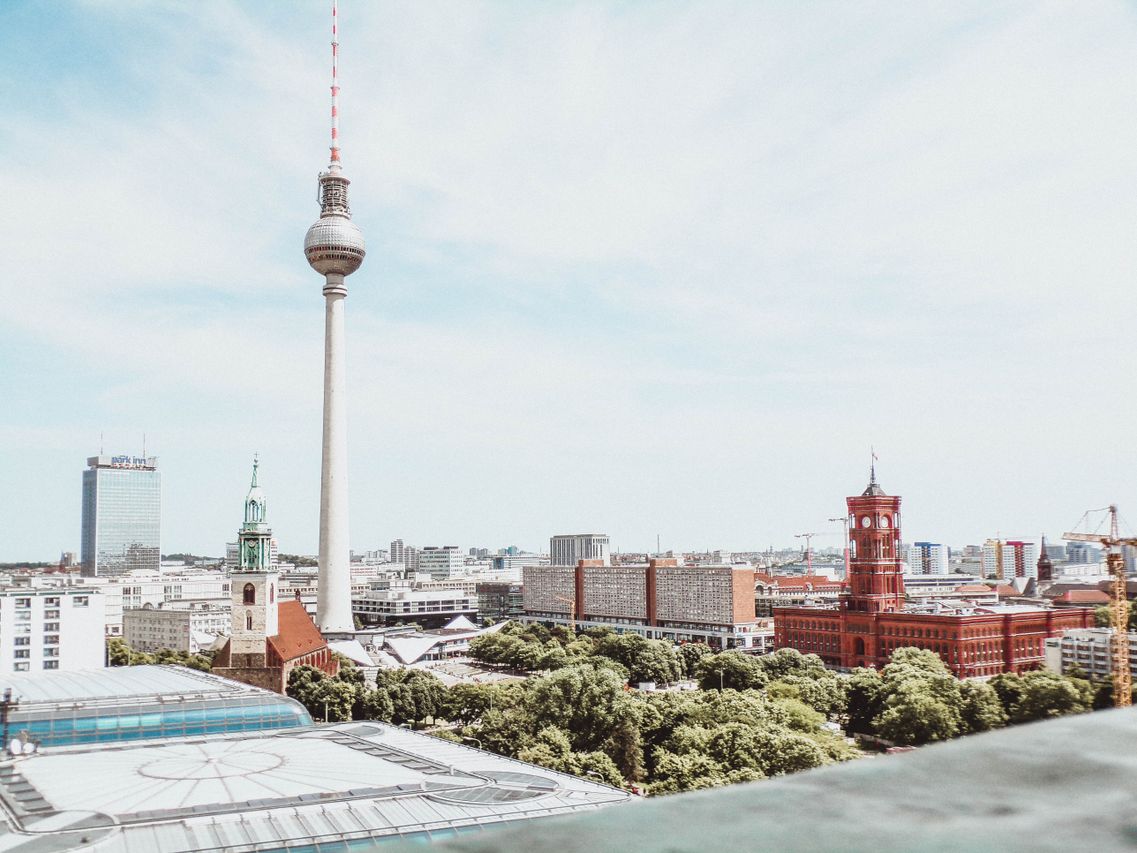
I have been following Elon Musk’s career trajectory for a long time now – from the founding of Tesla by Martin Eberhard and Marc Tarpenning, to the moment Musk opened all of Tesla’s patents to the world. But the announcement in November 2019 stopped me in my tracks because of its sheer audacity. Musk declared that Tesla would build its first European manufacturing facility not in a neutral country, not in a low-cost labor market on the continent’s periphery, but in Germany – the ancestral home of Audi, BMW, and Mercedes-Benz. The country that practically invented the modern automobile.
I wanted to understand what that decision actually meant – for Tesla, for Germany’s automakers, and for the future of electric vehicles in Europe.
Walking Into Someone Else’s Castle
When the announcement dropped, the reaction in Germany split cleanly in two. On one side stood politicians and economists who saw validation. German economic minister Peter Altmaier called it “further proof of how attractive Germany is as a place to make cars” (Renz & Vogel, 2020, p. 36). Germany had spent decades building its reputation as the world’s premier automotive engineering hub, and here was the most disruptive car company on the planet choosing to set up shop there. For Altmaier, it was a compliment of the highest order.
On the other side stood the people who recognized the competitive implications. The conservative newspaper Frankfurter Allgemeine Zeitung did not mince words. They called the Gigafactory announcement a “declaration of war” (Renz & Vogel, 2020, p. 37).
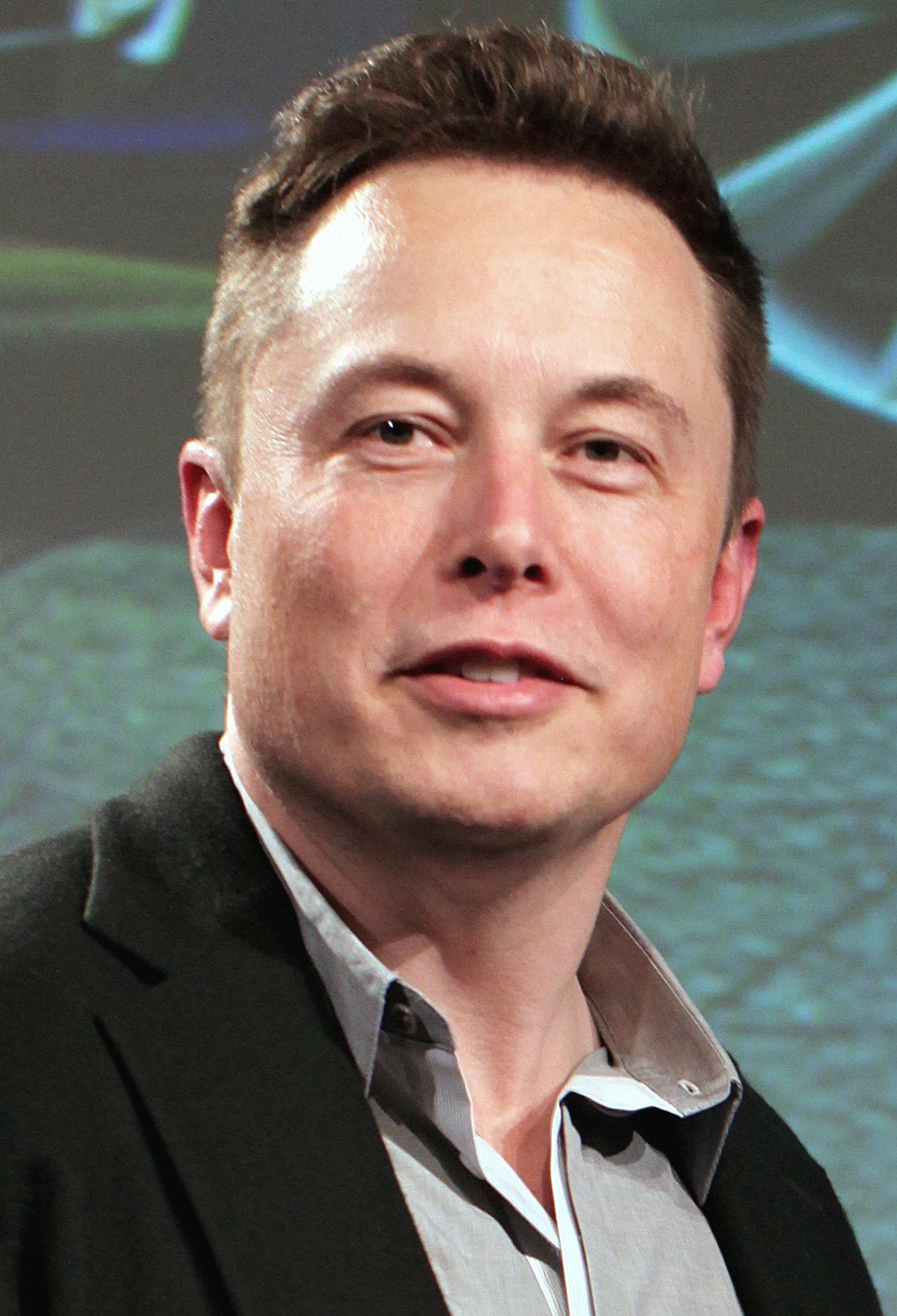 Photo: Steve Jurvetson on Wikimedia Commons. CC BY 2.0. By 2019, Musk was the longest-tenured CEO of an automotive manufacturing company.
Jan Burgard, a former manager at Audi, offered what I think is the most vivid description of the move:
“He is challenging Germany’s automakers to a duel right in front of their own castle gate […]. You have to respect the guy, he really is fearless.” (Renz & Vogel, 2020, p. 37)
That metaphor stuck with me. Building a factory in a foreign country is one thing. Building it in the one country whose entire national identity is intertwined with automotive excellence is something else entirely. Musk was not just entering the European market. He was planting a flag in the competition’s front yard.
Why Germany? Musk’s Own Explanation
When asked why Berlin, Musk’s answer was straightforward and, I think, genuinely respectful:
“Some of the best cars in the world are made in Germany. Everyone knows that German engineering is outstanding, for sure. That’s part of the reason why we are locating our Gigafactory Europe in Germany. We are also going to create an engineering and design center in Berlin.” (Renz & Vogel, 2020, p. 36)
This is the part that fascinated me during my research. Musk was not positioning himself against German engineering – he was positioning himself alongside it. He wanted access to the talent pool that had spent generations perfecting internal combustion engines. He wanted the suppliers, the precision manufacturing culture, the institutional knowledge that comes from being at the center of the automotive world for over a century.
By 2019, Musk had become the longest-tenured CEO of an automotive manufacturing company (Renz & Vogel, 2020). He had survived the near-bankruptcy of 2008, the production chaos of the Model 3, and the relentless skepticism of Wall Street analysts who predicted Tesla’s collapse on a quarterly basis. He was not making this decision from a position of desperation. He was making it from a position of hard-won confidence.
The Rational Alternative Nobody Wanted
Here is what makes the Berlin decision even more interesting. Experts pointed out that the European auto market was not growing at the time. From a purely rational standpoint, Tesla could have obtained an existing facility or hired a contract manufacturer to handle European production. That would have been cheaper, faster, and far less risky (Renz & Vogel, 2020, p. 37).
But Musk has never operated on what is merely rational. The entire arc of Tesla – from the original Master Plan (sports car, then affordable car, then more affordable car, then zero-emission power generation) to the decision to open all patents in June 2014 – has been built on moves that looked irrational at the time and strategic in hindsight.
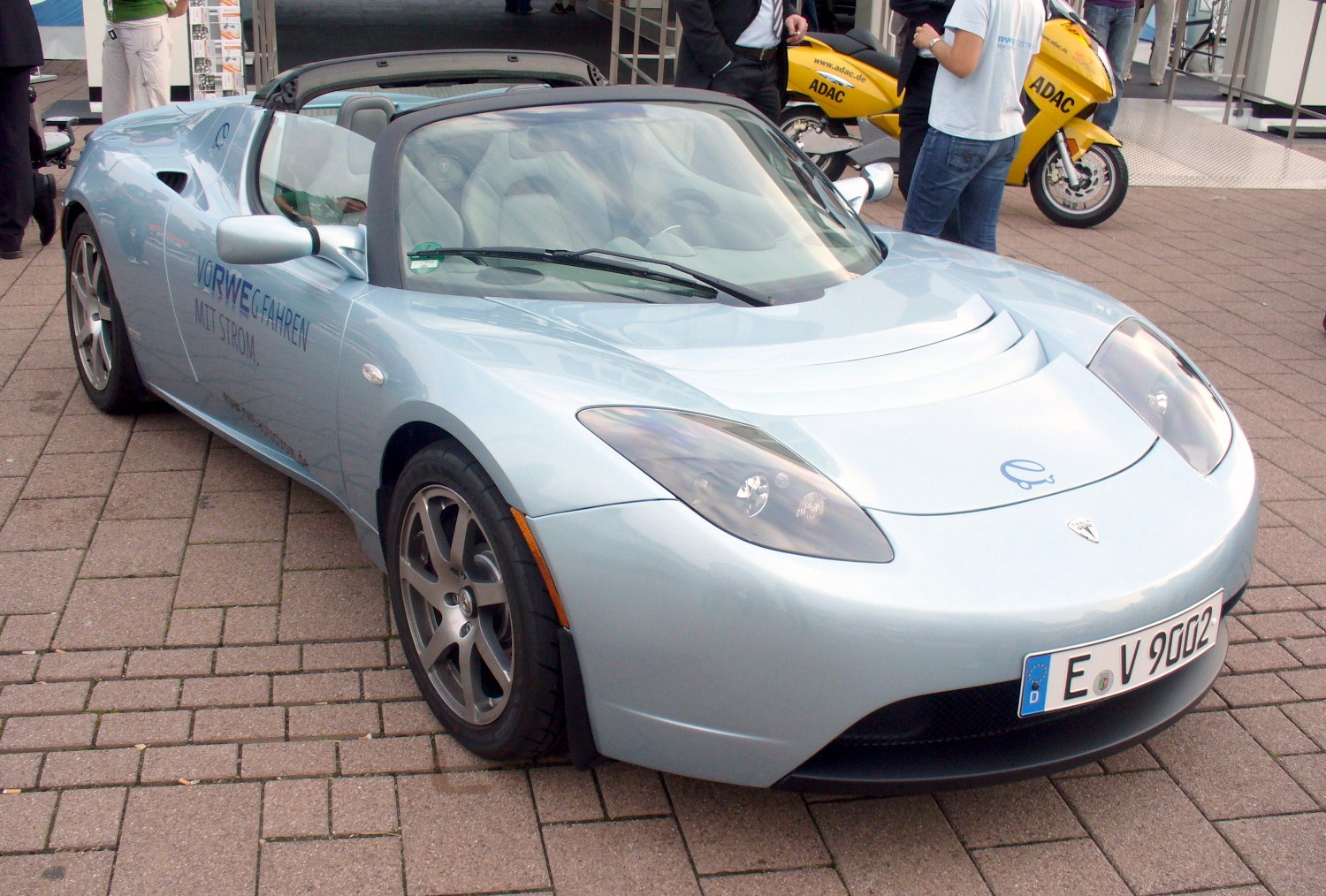 Photo: Wikimedia Commons. CC BY-SA 3.0. Tesla’s Master Plan started with a sports car and scaled downward in price – a strategy that defied conventional auto industry wisdom.
This is a man who once described the early days of Tesla in terms that would make most investors run for the exits:
“In the beginning of Tesla, no one told us they wanted an electric car… I heard that zero times.” (Jorgenson, The Book of Elon)
Zero market validation. Zero customer demand signals. Tesla built the product first and let the product create the demand. The Gigafactory Berlin followed the same playbook: do not wait for conditions to be perfect; create the conditions you need by showing up.
The German Challenge
What I found particularly compelling in my research was the cultural dimension. Germany was not just a new market for Tesla – it was a fundamentally different operating environment. German labor laws meant Tesla would face unions, fair compensation requirements, holiday entitlements, sick leave protections, a ban on Sunday work, and a regulatory framework that was, by any measure, far more restrictive than what Tesla operated under in the United States (Renz & Vogel, 2020, p. 37).
Researchers also noted a deeper cultural gap: Germans were highly critical and favored thorough planning, while Americans wanted to experiment (Renz & Vogel, 2020, p. 37). Tesla’s entire culture was built on speed, iteration, and a tolerance for chaos that would be foreign to the methodical German approach to manufacturing.
This is where Musk’s philosophy becomes relevant beyond the automotive industry. He has always believed that discomfort is a feature, not a bug:
“If you need encouragement, don’t start a company.” (Jorgenson, The Book of Elon)
Building a factory in a country with strict labor protections and a culture of meticulous planning was not an obstacle for Musk. It was a test he wanted to take. If Tesla could succeed under German conditions – with German workers, German regulations, and German competitors watching from across the street – then it could succeed anywhere in Europe.
What It Says About Tesla’s Strategy
When I step back and look at the Gigafactory Berlin in the context of Tesla’s entire history, a pattern emerges. Musk does not avoid difficulty. He seeks it out. He once described the Tesla philosophy in a way that captures this perfectly:
“We say the things we believe, even when sometimes those things we believe are delusional.” (Jorgenson, The Book of Elon)
There is something important in that admission. Musk is not claiming omniscience. He is claiming conviction. The Gigafactory Berlin was a bet that proximity to the world’s best automotive engineers would make Tesla better, that competing on the incumbents’ home turf would sharpen the company, and that the symbolic weight of building in Germany would signal to every automaker in Europe that the electric transition was not optional.
The German automakers had spent years treating electric vehicles as a compliance exercise – something they had to offer because of emissions regulations, not something they genuinely believed would replace combustion engines. Musk building a factory in Brandenburg was a way of saying: this is real, this is permanent, and we are not going away.
A Compliment Disguised as a Challenge
I keep coming back to Musk’s framing of the decision. He did not trash German automakers. He praised them. He said he wanted their engineering talent, their design sensibility, their manufacturing culture. And then he set up a factory to compete directly against them using all of those things.
That is the most Musk move imaginable. It is simultaneously a compliment and a challenge, a gesture of respect and a declaration of intent. He was telling BMW, Mercedes, and Audi: your engineering is the best in the world, and I am going to use it to beat you.
Whether you admire the strategy or find it provocative, one thing is clear – building the Gigafactory Berlin took the kind of confidence that only comes from having already survived the impossible. Tesla had been counted out more times than any company I have researched. And every time, Musk responded by doing something bigger, bolder, and closer to the heart of the establishment he was disrupting.
For fellow techies who follow the electric vehicle industry, the Gigafactory Berlin is not just a factory. It is a statement about what happens when an outsider decides that the best way to compete with the best is to move in next door.
Sources
- Renz, K. C. & Vogel, P. (2020). Journal of Case Research and Inquiry, Vol. 6, pp. 36–37.
- Jorgenson, E. The Book of Elon. Quotes on Tesla’s founding, encouragement, and conviction.
- Tesla, Inc. (2014). “All Our Patent Are Belong To You.” Tesla Blog, June 2014.