I have been studying how founders think for a long time now, and one pattern keeps coming up when I read about Elon Musk: he does not think the way most people think. Not in the sense that he is smarter — plenty of smart people exist — but in the sense that he uses a different mental framework for approaching problems. He calls it first-principles thinking, and it is borrowed directly from physics.
The concept itself is not new. Aristotle described it over two thousand years ago as “the first basis from which a thing is known.” But Musk has applied it to building rockets, electric cars, and energy systems in ways that have forced entire industries to rethink what is possible.
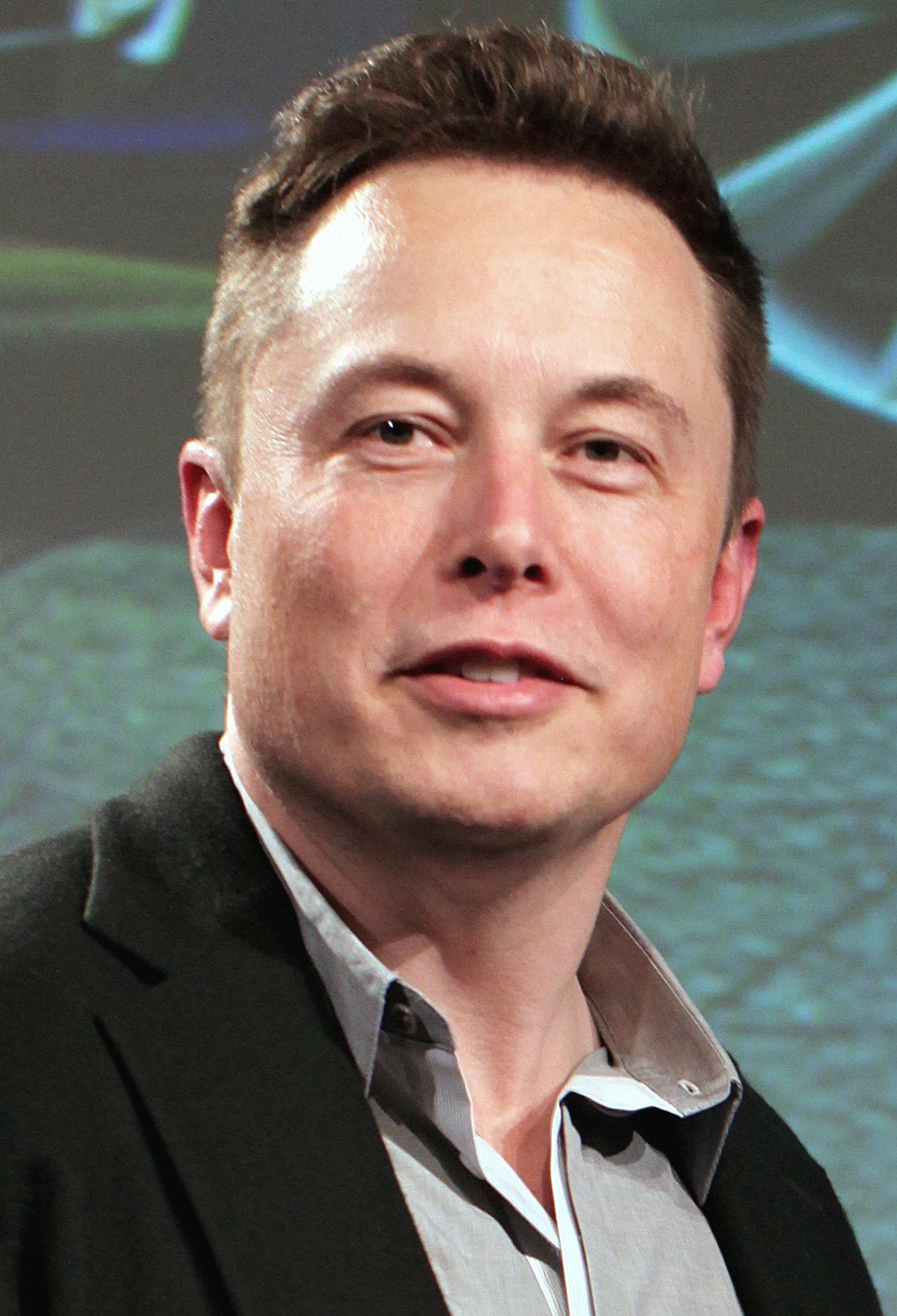 Photo by Steve Jurvetson, Wikimedia Commons. License: CC BY 2.0.
The Physics Approach
Most of us reason by analogy. We look at what has been done before and do something similar. Musk is fully aware of this — and he does not think it is always wrong. As he put it:
“The normal way we conduct our lives is reasoning by analogy. That means we do something because it’s similar to something else, or what other people are doing. When you think this way, you only get slight iterations.” — Elon Musk, as quoted in Eric Jorgenson, The Book of Elon, p. 53
Reasoning by analogy is efficient. It is how we get through most of our day. You do not reinvent the wheel every time you drive to the store. But Musk draws a hard line when the stakes are high:
“But for important things, that kind of thinking is too bound by convention or prior experiences. You will hear, ‘It’s always been done this way,’ or ‘Nobody’s ever done it.’ That is a ridiculous way to think.” — Elon Musk, as quoted in Jorgenson, The Book of Elon, p. 54
Instead, he advocates thinking like a physicist. Start with what you know to be true — the fundamental laws and material facts — and build your reasoning upward from there. He has compared this directly to how physicists discover counterintuitive new things like quantum mechanics: “They do that by thinking from ‘first principles’: building their reasoning from the ground up” (Jorgenson, The Book of Elon, p. 53).
What struck me about this is how deliberately he frames the choice. He is not saying “never follow convention.” He is saying: know when to stop following convention and start from scratch.
The Battery Problem
The best illustration of first-principles thinking in action is the Tesla battery story. When Musk was building the case for affordable electric vehicles, the dominant assumption in the industry was that battery packs would always be too expensive. People pointed to historical pricing and concluded that cheap electric cars were impossible.
Musk’s response, as recounted in The Book of Elon, was to reject the assumption entirely and break the problem down to its raw materials:
“What are the material constituents of batteries? What is the spot market value of those materials? It’s cobalt, nickel, aluminum, carbon, polymers, a steel can. Break that down on a material basis and say, ‘What would each of those things cost if bought on the London Metal Exchange?’ — you get to about $80/kWh. So you need to find clever ways to combine those materials.” — Elon Musk, as quoted in Jorgenson, The Book of Elon, pp. 55-56
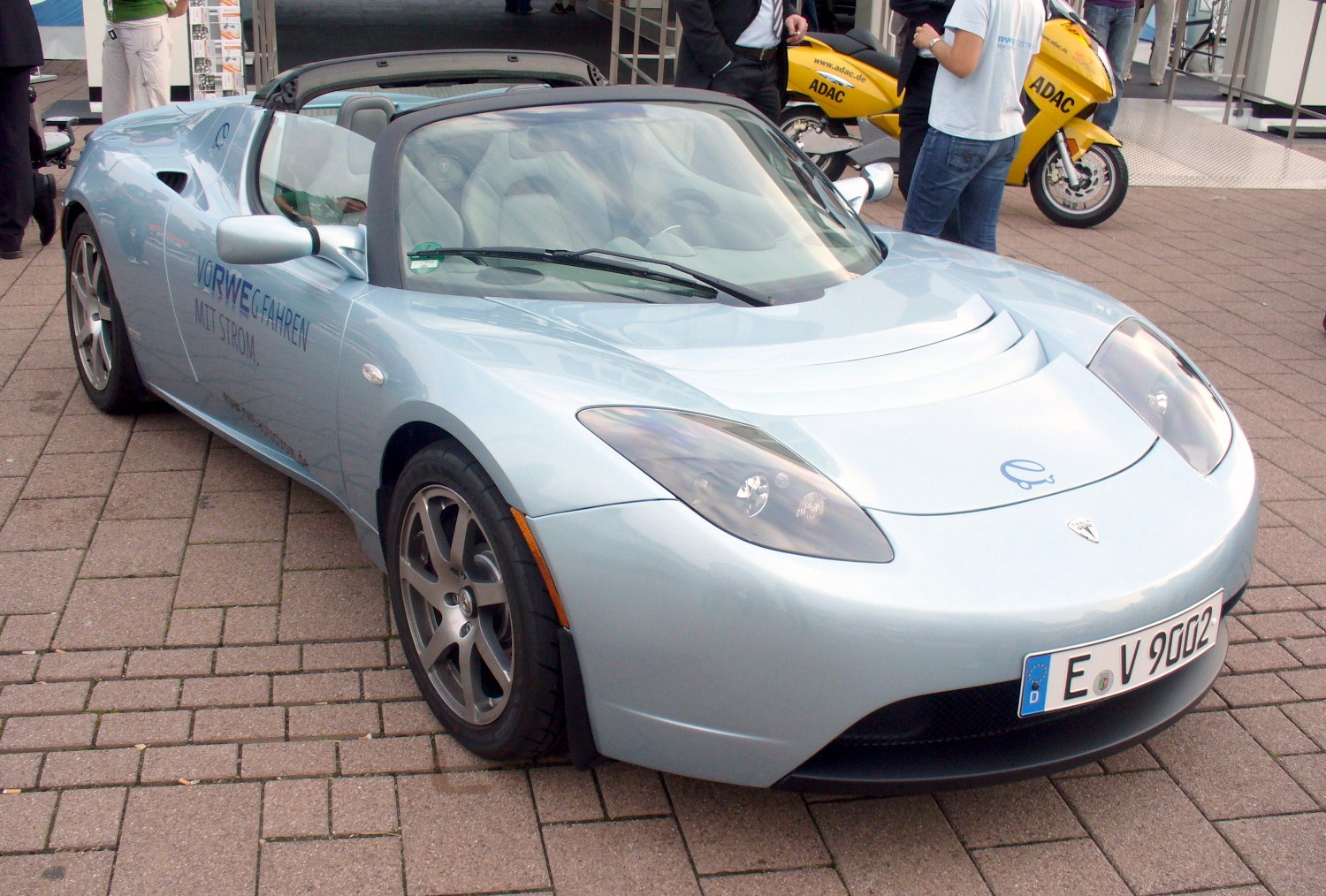 Photo via Wikimedia Commons. License: CC BY-SA 3.0.
That is the method in its purest form. Instead of asking “How much do batteries cost?” he asked “How much should batteries cost, based on the physics and chemistry of what goes into them?” The gap between those two numbers was the opportunity.
Musk did not mince words about the alternative: “People said battery packs were too expensive to make cheap electric cars. They assumed they would always be expensive, because they had been in the past. That’s pretty dumb” (Jorgenson, The Book of Elon, p. 55). If you applied that kind of backward-looking reasoning to everything new, you would never try anything new.
Today, battery prices have dropped dramatically — from over $1,100/kWh in 2010 to under $140/kWh by 2023, according to BloombergNEF’s annual battery price survey. The physics was right. The assumptions were wrong.
Physics Is Law, Everything Else Is a Recommendation
One of the things I find most compelling about Musk’s framework is how he anchors it in physical reality. He has said repeatedly that physics is not negotiable:
This is the part that hits closest to home for me. I built a company that worked, and it never became anything bigger than what one person could manage — because I treated my own constraints as though they were laws of physics, when most of them were just assumptions I never questioned.
“Physics is law. Everything else is a recommendation. I’ve met many people who can break the laws of man, but I have never met anyone who could break the laws of physics.” — Elon Musk, as quoted in Jorgenson, The Book of Elon, p. 57
This is not just a clever line. It is a decision-making filter. If something does not violate the laws of physics, then the only barriers are engineering, resources, and will. The question shifts from “Can this be done?” to “How can this be done?”
He applies this ruthlessly at SpaceX. “If you have beliefs that are incompatible with a rocket getting to orbit, the rocket will not get to orbit. Physics is a harsh judge” (Jorgenson, The Book of Elon, p. 59). That mindset — treating physical law as the only real constraint and everything else as a problem to be solved — is what allowed SpaceX to build reusable rockets when the entire aerospace industry said it could not be done.
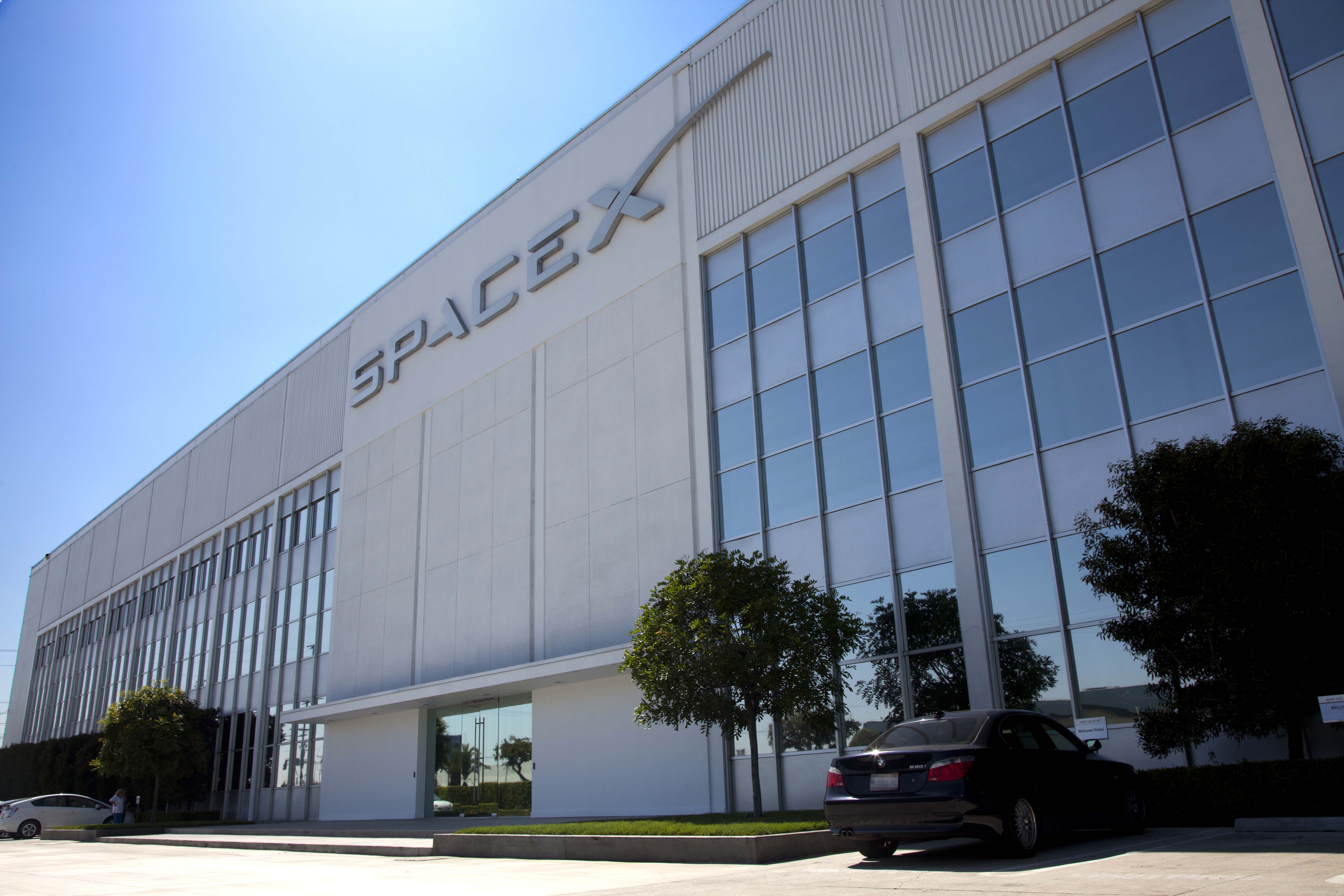 Photo via Wikimedia Commons. License: CC BY 2.0.
Fear and the 10 Percent Odds
What I find most honest about Musk’s approach is that he does not pretend it eliminates fear. First-principles thinking tells you what is possible — it does not tell you what is probable. And Musk has been blunt about the emotional cost:
“When starting SpaceX, I thought the odds of success were less than 10 percent and I accepted I would probably lose everything. But maybe we would make some progress” (Jorgenson, The Book of Elon, p. 60).
That is not recklessness. That is a calculated bet rooted in first-principles reasoning. He knew the physics allowed for cheaper rockets. He knew the materials and engineering were feasible. But he also knew that execution, funding, and a hundred other variables could kill the venture. He moved forward anyway.
He has also said: “I feel fear. It’s not as though I have the absence of fear. I feel it quite strongly. But when something is important enough and you believe in it enough, you do it in spite of fear” (Jorgenson, The Book of Elon, p. 60). I think this is the part that most discussions about first-principles thinking leave out. The framework gives you clarity, but it does not give you comfort. You still have to act.
How to Apply This
The practical takeaway from Musk’s approach is surprisingly accessible. You do not need to build rockets to use first-principles thinking. Here is the process, distilled:
- Identify the assumption. What does everyone “know” to be true about the problem?
- Break it down to fundamentals. What are the actual materials, costs, physics, or constraints?
- Rebuild from the ground up. Given those fundamentals, what is actually possible?
- Iterate ruthlessly. As Musk puts it: “Start somewhere. Then be prepared to question your assumptions, fix what you did wrong, and adapt to reality” (Jorgenson, The Book of Elon, p. 58).
The key is knowing when to use it. Most of the time, reasoning by analogy is perfectly fine — Musk himself says so. But when you are working on something that matters, something where the stakes justify the effort, strip away the assumptions and start from the ground up.
The Mindset Behind the Method
What ties all of this together is a relentless commitment to truth. “Being tenacious and super focused on the truth is extremely important. Look for feedback from all sources” (Jorgenson, The Book of Elon, p. 58). First-principles thinking is not about being contrarian for its own sake. It is about being honest — with yourself and with reality.
I keep coming back to one of Musk’s lines that does not get quoted as often as it should: “That’s why I always assume we’re losing, even when it looks like we might win” (Jorgenson, The Book of Elon, p. 59). That is the posture of someone who trusts the process more than the outcome. Someone who knows that the moment you stop questioning your assumptions is the moment you start falling behind.
Whether you are building a startup, solving a technical problem, or just trying to make a better decision, the invitation is the same: stop asking “What has been done?” and start asking “What is true?” The answers might surprise you — and they might just change what you think is possible.
I hope this exploration of Musk’s thinking framework gives you a useful tool to add to your own mental toolkit. Feel free to come back for more, fellow techies.
Sources
- Jorgenson, Eric. The Book of Elon. Pages 53-60. All Elon Musk quotes in this article are sourced from this book.
- BloombergNEF. “Lithium-Ion Battery Pack Prices.” Annual battery price survey, 2023 edition. BloombergNEF.
- World Health Organization. “Malaria Fact Sheet.” WHO. Referenced for falciparum malaria mortality statistics (background context).