I was killing time in an airport bookshop last month, flipping through one of those glossy space exploration books, when I stopped on a photo of a Russian ICBM and remembered the most absurd chapter in the entire Elon Musk story. The one where he flew to Moscow, sat across from former Soviet rocket designers, drank vodka at 11 AM, got spat on, and was told he was just a boy who did not have real money.
And yet, this is exactly the chapter that created SpaceX.
Why Was a Dot-Com Millionaire Looking at Mars?
It started with a website. After recovering from a severe case of malaria contracted in 2000, Musk went to the NASA website looking for plans to go to Mars. He found nothing. No schedule, no timeline, no mission plan.
“At first I thought, jeez, maybe I’m just looking in the wrong place. Why was there no plan, no schedule? It seemed crazy.” – Elon Musk, quoted in Vance, Elon Musk
For most people, discovering that NASA had no Mars plans would have been the end of the thought. For Musk, it was an invitation. He started hosting what Ashlee Vance describes as “salons” – gatherings at the Renaissance Hotel near LAX and the Sheraton in Palo Alto – where he assembled an improbable guest list. Scientists from NASA’s Jet Propulsion Laboratory came. The filmmaker James Cameron reportedly came as well. Michael Griffin, who would later become the administrator of NASA, was part of the early conversations. They sat around tables and talked about Mars.
Out of those conversations emerged an idea Musk called Mars Oasis: buy a rocket, shoot a robotic greenhouse to the Martian surface, grow a plant in Martian soil, and stream video of it back to Earth. The goal was not colonization. It was a publicity stunt designed to reignite public interest in space exploration. Budget: $20 to $30 million.
There was just one problem. He needed a rocket. And American rockets were absurdly expensive.
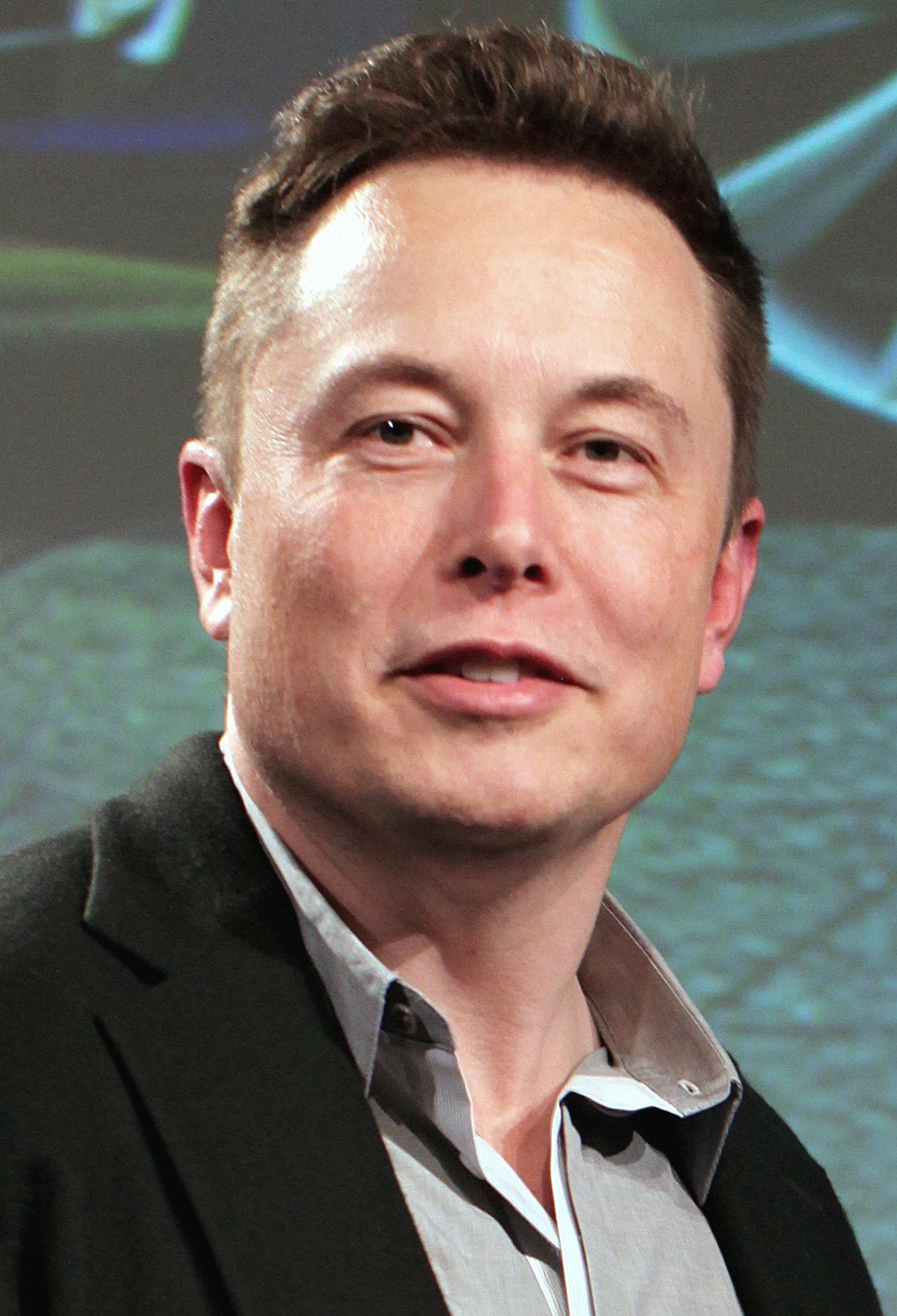 Photo by Steve Jurvetson, Wikimedia Commons. License: CC BY 2.0.
“I Am a Billionaire. I Am Going to Start a Space Program.”
Musk reached out to Jim Cantrell, an expert in classified and unclassified satellite launches who had worked with both the French and Russian space programs. Cantrell had personal experience with Russian aerospace – in 1996, the Russians had placed him under house arrest after a satellite deal went sideways.
Cantrell got a phone call out of the blue:
“This guy in a funny accent said, ‘I really need to talk to you. I am a billionaire. I am going to start a space program.’” – Jim Cantrell, quoted in Vance, Elon Musk
Cantrell thought the caller’s name was “Ian Musk.” He was skeptical, to say the least. When they agreed to meet, Cantrell insisted on Salt Lake City airport and specifically behind the security checkpoint – so that this stranger could not be carrying a weapon.
Once they met, Musk’s intensity and preparation won Cantrell over. The Mars Oasis plan required buying decommissioned ICBMs from the Russians, the only rockets cheap enough to fit a $20 million budget. Musk assembled a small team: himself, Cantrell, and his college friend Adeo Ressi.
Ressi, it should be noted, thought the entire idea was insane. He staged what Vance describes as informal interventions, showing Musk compilation videos of rockets exploding. He pulled Cantrell aside repeatedly: “What Elon is doing is insane.” Musk ignored him. They booked flights to Moscow.
Vodka at 11 AM and Spit on Their Shoes
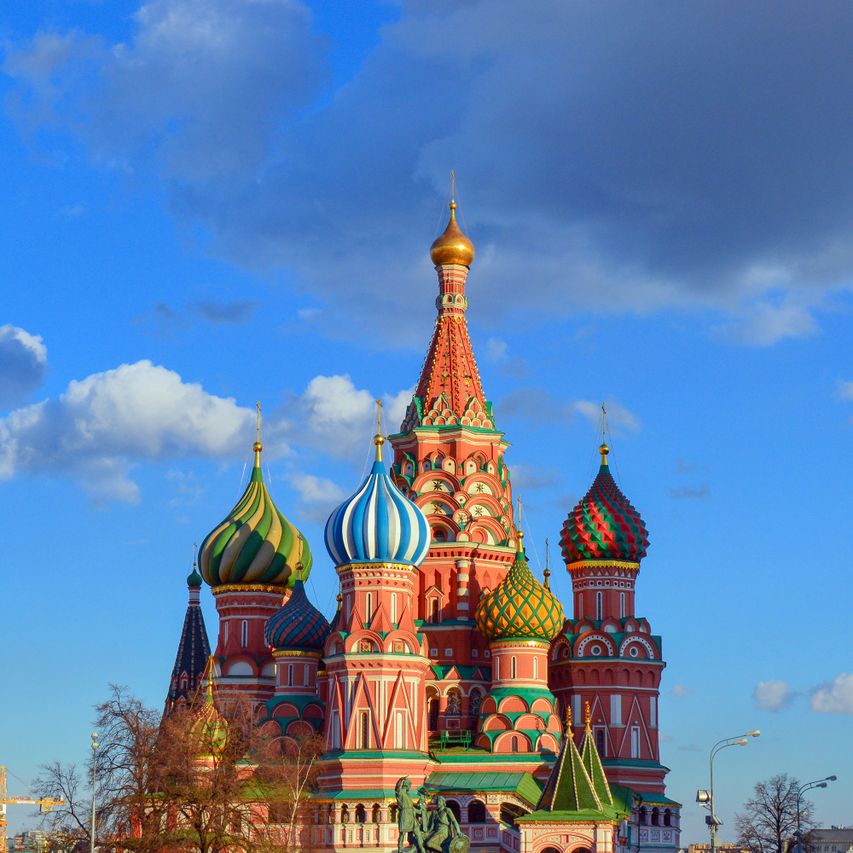
In late October 2001, Musk, Cantrell, and Ressi landed in Moscow. They met with two Russian aerospace organizations: NPO Lavochkin, which had built probes for Mars and Venus missions, and Kosmotras, which sold commercial launches on converted ICBMs.
There is a question I ask myself when reading these stories: would this person have kept my hosting company small, or would they have found a way to grow it? The honest answer is usually: they would have burned it down and built something better on the ashes — which is exactly what Musk did on the flight home from Moscow.
The meetings followed a rhythm that was foreign to Silicon Valley urgency. An 11 AM arrival was treated as an “early lunch.” The first hour was always small talk. Then came the sandwiches, the sausages, and the vodka.
The Russians, meanwhile, had taken the measure of their visitors and were not impressed.
“They looked at us like we were not credible people. One of their chief designers spit on me and Elon.” – Jim Cantrell, quoted in Vance, Elon Musk
The most intense meeting took place in an ornate prerevolutionary Moscow building. The vodka flowed. Toasts were raised – “To space!” and “To America!” – and then the negotiation got real. Musk wanted three ICBMs for a total of $20 million. He asked the Russians directly: how much?
The answer: $8 million each.
Musk countered: $8 million for two.
The room went quiet. The Russians sat there and looked at him. Then the answer came: “Young boy. No.” They also implied he did not actually have the money. Musk stormed out.
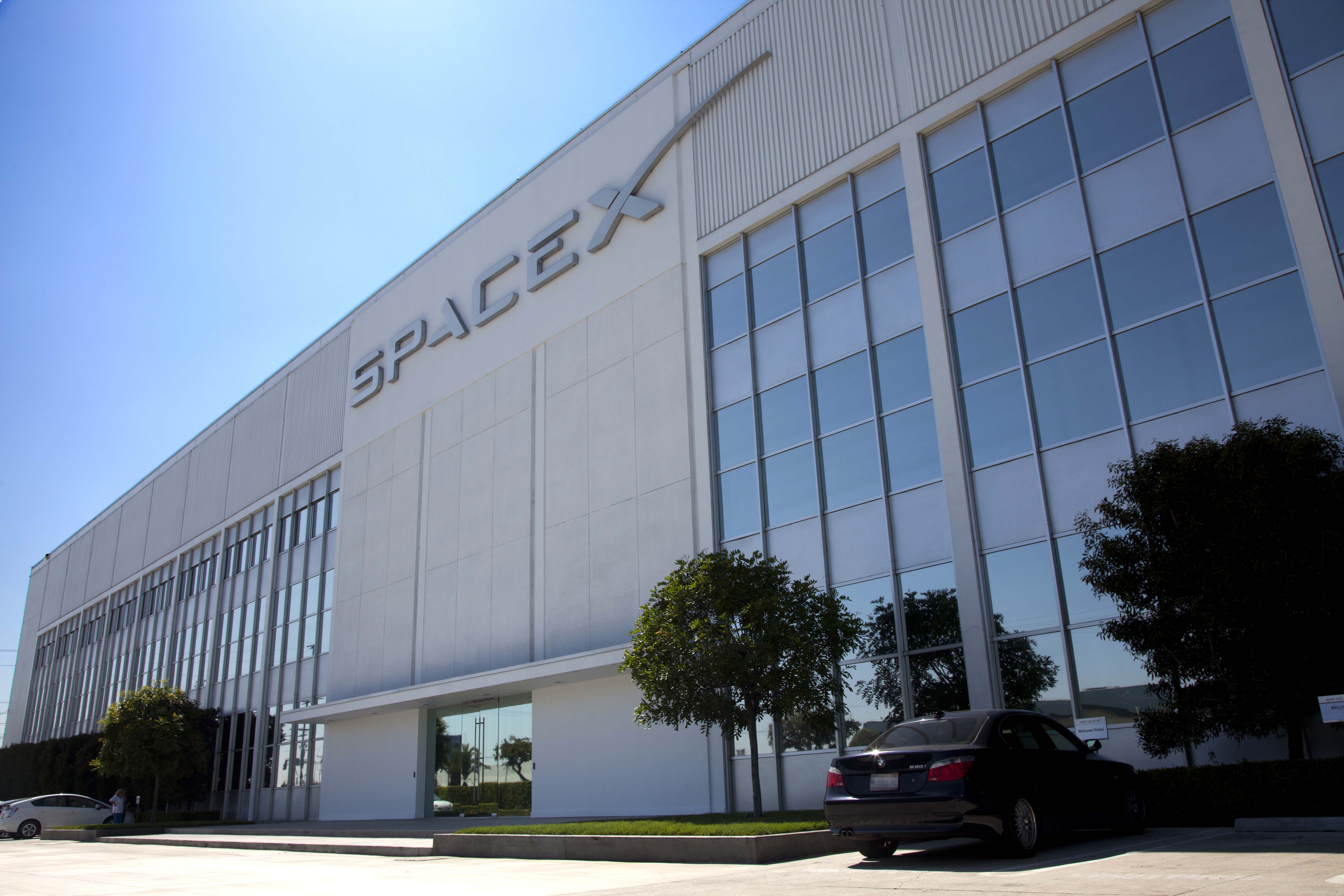 Photo via Wikimedia Commons, CC BY-SA 3.0.
The Long Cab Ride
Musk went back for a second trip in February 2002, this time with Michael Griffin — the future NASA administrator — in the delegation. The result was the same. The Russians would not budge. Nobody else on the planet was selling rockets at the price Musk needed. The trip ended with a silent cab ride to the Moscow airport in the middle of winter.
Vance describes the scene: “Inside the cab, no one talked. Musk had come to Russia filled with optimism… and was now leaving exasperated and disappointed.” Only the Russians could fit his budget, and the Russians had said no. It was, as Cantrell later recalled, “a long drive.”
At the airport, the mood lifted slightly. Cantrell captured the feeling in one sentence: “You always feel particularly good when the wheels lift off in Moscow.”
The Spreadsheet That Changed Everything
Then something happened on the plane that changed the history of spaceflight.
Musk pulled out his laptop and turned it around to show Cantrell and the others. On the screen was a spreadsheet. It detailed the cost of materials needed to build a rocket – raw aluminum, carbon fiber, fuel – along with performance specifications and projected costs. The numbers showed that a rocket could be built from scratch for far less than what Boeing, Lockheed Martin, or the Russians were charging.
“He said, ‘I think we can build this rocket ourselves.’” – Vance, Elon Musk
Cantrell was stunned. He asked Musk where the data had come from. It turned out that Musk had been borrowing rocket textbooks – Rocket Propulsion Elements, Fundamentals of Astrodynamics – from Cantrell and others, and had reverted to his childhood pattern of absorbing everything he could find on a subject. He had taught himself enough orbital mechanics and propulsion engineering to model a rocket from the ground up.
Griffin and Cantrell were dumbfounded. This was first-principles thinking in its purest form – stripping away what rockets cost and asking what rockets should cost based on the raw physics and materials.
Musk was serious. “No, I’m serious. I have this spreadsheet.”
From Publicity Stunt to Rocket Company
By April 2002, Musk had abandoned the Mars Oasis publicity stunt entirely. He was no longer interested in buying someone else’s rocket. He was going to build his own. In March 2002, he incorporated Space Exploration Technologies Corp. – SpaceX – with roughly $100 million of his own money, and the first hires followed over the coming months.
He knew the odds. As he later told Eric Jorgenson:
“When starting SpaceX, I thought the odds of success were less than 10 percent and I accepted I would probably lose everything.” – Elon Musk, quoted in Jorgenson, The Book of Elon
He also knew that the traditional calculation – risk-adjusted return on investment – was not the right framework for what he was doing:
“I do not start companies from the standpoint of asking, ‘What’s the best risk-adjusted rate of return?’… I just find things that need to happen, and try to make them happen.” – Elon Musk, quoted in Jorgenson, The Book of Elon
The first three Falcon 1 launches would fail. SpaceX would come within weeks of bankruptcy. But the fourth launch succeeded, and NASA called with a $1.6 billion contract, and the rest is history still being written.
What the Russian Rejection Actually Created
I keep coming back to that cab ride. A silent, defeated car full of people driving through a Moscow winter, heading to an airport, having failed at what they came to do. That is a moment where most people quit. Most people file the experience under “it did not work out” and move on to something safer.
Musk did the opposite. He took the rejection and turned it into a question: why are rockets so expensive? And when the answer turned out to be “because nobody has tried to make them cheaper,” he decided to be the one who tried. The Russians did not just fail to sell Musk a rocket. They accidentally created their own competitor.
The lesson here is not that failure is good. It is that the right response to failure – genuine curiosity about why things are the way they are, combined with the willingness to do the math yourself – can turn a dead end into a starting line.
SpaceX exists because a room full of Russian engineers looked at a young American and said no.
Sources
- Ashlee Vance, Elon Musk: Tesla, SpaceX, and the Quest for a Fantastic Future (Ecco/HarperCollins, 2015), Chapter 6: Mice in Space.
- Eric Jorgenson, The Book of Elon (2021).
- Walter Isaacson, Elon Musk (Simon & Schuster, 2023).