
I was at a brewery with coworkers last Friday and someone mentioned they were thinking about starting a side project with their brother, and the whole table immediately split into two camps – half said it would destroy the relationship, half said it was the best possible partnership. That argument stuck with me because I have been writing about the Musk family for months now, covering everything from Elon’s arrival in North America to Kimbal’s journey from co-founder to farm-to-table pioneer to the road trip that started it all, and the same question keeps coming up: why do siblings build such effective companies together?
The Musk brothers are not an anomaly. The Collison brothers built Stripe. The Samwer brothers built Rocket Internet. The Dutt sisters founded Matr Boomie. Across industries, countries, and decades, siblings keep showing up as co-founders of exceptional companies. Is this coincidence? Or is there something fundamental about the sibling relationship that gives these partnerships an unfair advantage?
The Musks: $7,000 and a Shared Bet
The story of Elon and Kimbal Musk founding Zip2 is one I have covered in detail, but the sibling dynamics are worth revisiting through this specific lens. In 1995, Elon contributed $2,000 from his savings, and Kimbal invested $5,000, bringing their total startup capital to just $7,000. They rented a small office in Palo Alto, bought computers with the money, and began building an online city guide for newspapers.
As I wrote in my article on the Musk family backstory, the division of labor was organic and immediate. Elon coded. Kimbal sold. Elon stayed up all night writing software. Kimbal put on a suit and pitched newspaper executives during the day. They didn’t need to negotiate roles or establish trust. They had been brothers for over two decades. The trust was already there.
Kimbal later recalled that they slept in the office and showered at the YMCA — it was not glamorous, but they were building something together. What I find most instructive about the Musk brothers’ partnership is how they handled adversity. When Zip2 nearly died before its eventual $307 million exit, neither brother walked away. In a typical co-founder relationship, the kind formed between former classmates or colleagues, that level of existential stress often breaks the partnership. Disagreements about strategy become personal. Trust erodes under financial pressure. But siblings operate on a different substrate. You cannot fire your brother. You cannot ghost him. You will see him at Thanksgiving regardless of what happens to the company.
That inescapability, which might sound like a liability, is actually the source of the advantage. It forces siblings to resolve conflicts rather than avoid them.
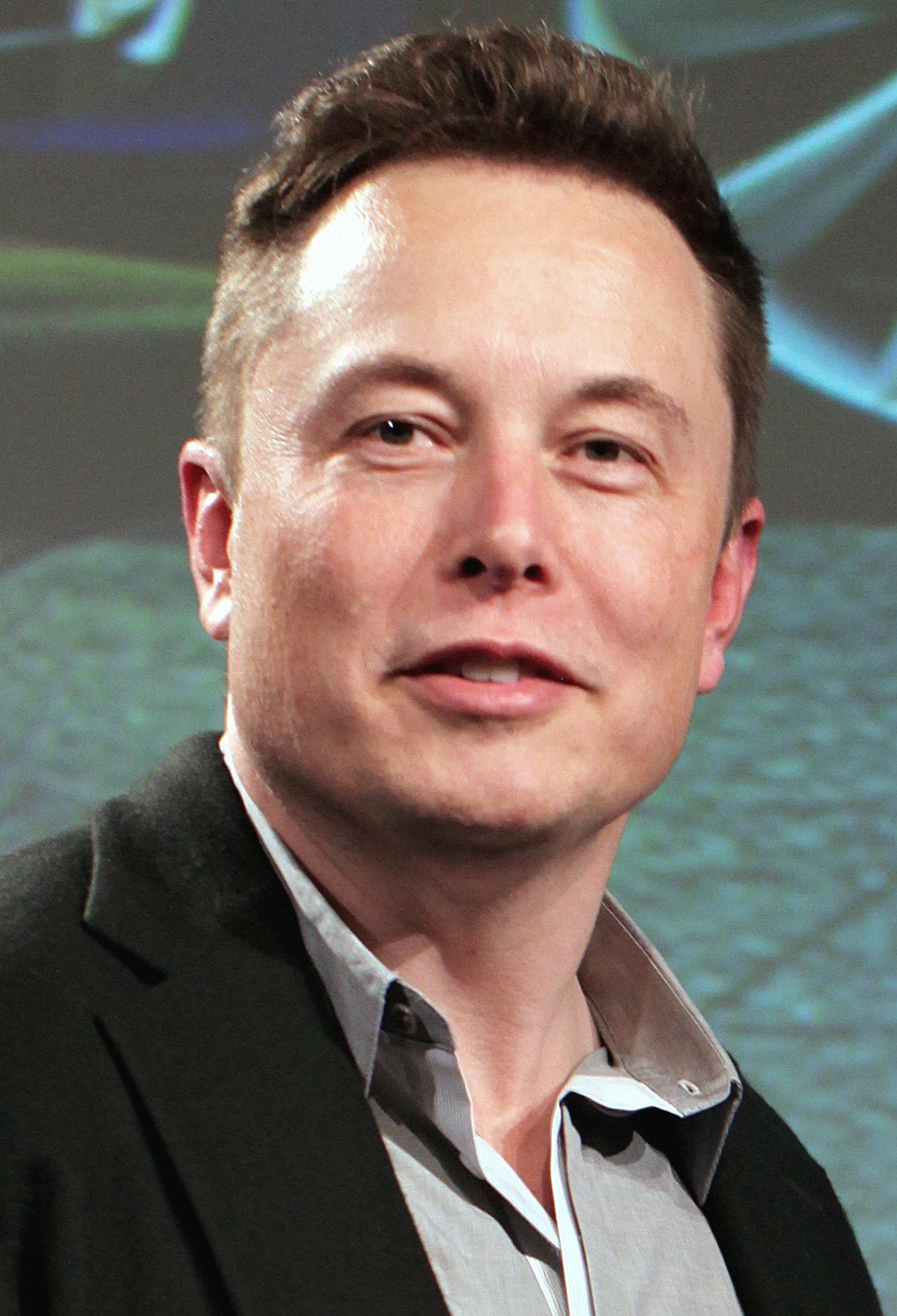 Photo by Steve Jurvetson, Wikimedia Commons. License: CC BY 2.0.
The Collisons: Two Irish Brothers and a $95 Billion Company
If the Musk brothers represent the scrappy immigrant founder story of the late 1990s, the Collison brothers represent its 2010s equivalent. Patrick Collison and John Collison grew up in rural Dromineer, Ireland, population approximately 200. Their parents ran a hotel. Neither brother had any connections to Silicon Valley.
Patrick scored first in Ireland on his Leaving Certificate exams at 16 and enrolled at MIT. John attended Harvard. Before either turned 20, they had sold their first company, Auctomatic, for a reported $5 million.
In 2010, Patrick (21) and John (19) founded Stripe. Accepting credit card payments online was absurdly complicated. They built a system where a developer could integrate payments with a few lines of code.
“We wanted to increase the GDP of the internet.” – Patrick Collison
In 2021, Stripe was valued at $95 billion — a valuation later cut to $50 billion in 2023. By then, it was processing more than $1 trillion in payments annually.
The Pattern: What Sibling Founders Share
I kept looking for the common threads between the Musks and the Collisons, and three patterns emerged that I think explain the sibling founder advantage.
My company died of comfort. Not bankruptcy, not competition, not market collapse. Comfort — a luxury the Musk brothers never had, because there was always too much riding on Zip2 to rest. That is the kind of death these founder stories never cover because it does not make for good reading. But it is how most small businesses actually end.
My company could not survive without me. I treated that as a sign of my importance. The Musk and Collison brothers taught me it was a sign of my failure to build something bigger than myself — something that did not depend on a single person.
Immigrant Hunger
Both sets of brothers came from outside Silicon Valley. The Musks from South Africa, the Collisons from Ireland. Maye Musk raised three children on five jobs. The Collison parents ran a small-town hotel. Neither family could bankroll a startup. That constraint forced both sets of brothers to treat their partnership as their most valuable asset, because it was.
Complementary Skills
In both cases, one brother leaned technical and the other leaned commercial. Elon coded; Kimbal sold. Patrick was the technical architect; John became the operational force. Siblings arrive at this complementary dynamic naturally, shaped by years of growing up together and unconsciously carving out different niches.
Pre-Built Trust
Trust is the scarcest resource in any startup. Non-sibling co-founders spend months building the kind of mutual understanding that siblings have from childhood. They negotiate equity splits, argue about authority, and work through early days when neither is sure the other is fully committed. Siblings skip all of that. The trust is pre-installed, and that means more energy goes toward the actual problem.
The Third Sibling: Tosca
The Musk family offers another data point that strengthens this thesis. Tosca Musk, the youngest of the three Musk siblings, worked at Zip2 during its early days before going on to build her own career as a filmmaker and eventually founding Passionflix, a streaming platform focused on romance content. Tosca proved that the entrepreneurial instinct in the Musk family was not limited to the brothers. It was a family trait, shaped by the same upbringing, the same mother, and the same experience of immigrating to a new country with nothing but ability and determination.
The fact that all three Musk siblings became entrepreneurs is not a coincidence. It is a reflection of the environment Maye Musk created: one where self-reliance was not optional, where resourcefulness was a survival skill, and where the idea of working for someone else was less appealing than the risk of building something of your own.
The Dinner Table Advantage
I keep coming back to a thought that is almost too simple to feel like a real insight, but I believe it is true: the best co-founder might already be at your dinner table. The person who grew up in the same house, who shares your values, who knows your weaknesses as well as your strengths, who will tell you the truth when everyone else is telling you what you want to hear, that person has an unfair advantage over any co-founder you could recruit from a networking event or a startup incubator.
Not every sibling pair should start a company together. The relationship has to be built on mutual respect, not just shared DNA. But for those who have it, the Musks and the Collisons show what is possible when trust is not something you have to build but something you already own.
The $307 million Zip2 exit and the $95 billion Stripe valuation started in the same place: two brothers who looked at a problem and said, “We can fix this.” The most powerful word in that sentence is not “fix.” It is “we.”
Sources
- Vance, A. Elon Musk: Tesla, SpaceX, and the Quest for a Fantastic Future. Ecco, 2015.
- Isaacson, W. Elon Musk. Simon & Schuster, 2023.
- Mac, R. “Behind The Scenes of Patrick and John Collison’s Stripe Empire.” Forbes, September 2016.
- Stripe Company History. stripe.com.
- Collison, P. Interview with The Tim Ferriss Show, Episode 353, 2019.
- Musk, K. Various interviews. The Kitchen Community and public appearances, 2019-2023.
- Fortune Magazine. “Stripe is now the most valuable private company in Silicon Valley.” March 2023.