


I spent weeks reading about the companies that died in the dot-com crash, and a pattern kept emerging that I did not expect. The companies that burned the most money and failed the most spectacularly were not the ones with the worst ideas. They were the ones with the best ideas — ideas so good that other companies would prove them right a decade later, after the technology and infrastructure had caught up.
Pets.com burned $300 million selling pet supplies online. Chewy proved the model and sold to PetSmart for $3.35 billion. Webvan burned $800 million on automated grocery delivery. Amazon Fresh proved the model. Kozmo.com burned $250 million on free one-hour delivery across up to 11 cities. DoorDash proved the model and went public at a $72 billion valuation.
Were these companies failures, or were they just too early?
The Sock Puppet That Ate $300 Million
Pets.com launched in 1998 with a simple premise: pet owners would prefer buying food, toys, and supplies online instead of hauling 40-pound bags of dog food from a store. The company’s mascot — a sock puppet dog with a microphone — became one of the most recognizable advertising icons of the era. The sock puppet appeared in a Super Bowl commercial, was interviewed on Good Morning America, and had its own balloon in the Macy’s Thanksgiving Day Parade.
The marketing was brilliant. The business was not.
Pets.com sold products at prices below cost in an effort to gain market share. A $15 bag of dog food might sell for $12, with another $5 spent on shipping heavy, bulky items. The company’s customer acquisition cost — the amount it spent on marketing to attract each new customer — was astronomical. Pets.com was, in effect, paying people to buy pet supplies at a loss.
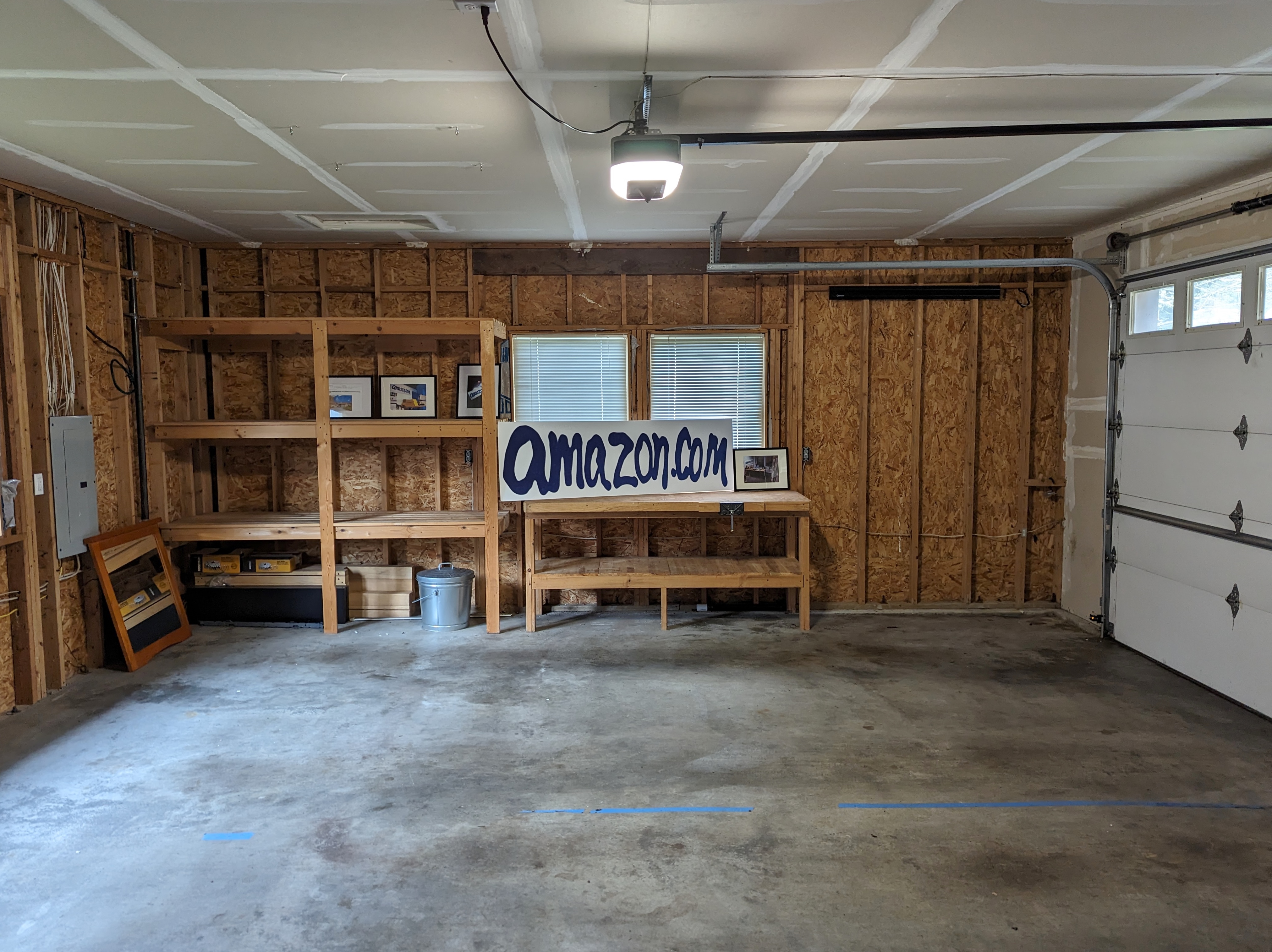 Photo: The garage where Amazon started — a company that survived the dot-com crash and eventually proved that online retail could work at scale. Wikimedia Commons. License: CC BY-SA 3.0.
The company went public in February 2000 at $11 per share. The stock dropped steadily. By November 2000 — just 268 days after its IPO — Pets.com was dead. It had burned through approximately $300 million in investor money. The sock puppet was sold to a different company for use in a new campaign. The mascot outlived the company. Everyone had told them they were crazy, and they answered that the doubters simply did not understand the internet — in the end, both sides turned out to be a little right.
Webvan: The $800 Million Automated Grocery Store
If Pets.com was the poster child for dot-com excess in marketing, Webvan was the poster child for dot-com excess in infrastructure. Founded in 1996 by Louis Borders (co-founder of Borders bookstores), Webvan promised to deliver groceries to your door within a 30-minute window. No more driving to the supermarket. No more waiting in checkout lines. Just order online and the groceries appear.
The technology was impressive. Webvan built massive automated warehouses — each one costing over $35 million — equipped with conveyor belts, robotic systems, and climate-controlled zones for fresh, frozen, and dry goods. The warehouses were engineering marvels. They were also wildly expensive to build and operate.
Webvan expanded aggressively, opening warehouses in multiple cities before it had proven the model in any single market. The company raised over $800 million from investors, including Goldman Sachs and Sequoia Capital. It went public in November 1999 at $15 per share. By July 2001, the stock was worthless. Webvan filed for bankruptcy, laying off 2,000 employees overnight.
The groceries-on-demand model that Webvan pioneered would eventually be validated by Amazon Fresh, Instacart, and a dozen other companies — but only after broadband internet was ubiquitous, smartphones put ordering into everyone’s pocket, and the gig economy created a flexible delivery workforce that Webvan could never have accessed.
Kozmo.com: Free One-Hour Delivery Before Its Time
Kozmo.com was founded in 1998 by Joseph Park and Yong Kang with perhaps the most audacious promise of the dot-com era: free one-hour delivery of DVDs, snacks, magazines, and convenience items in New York City and, at its peak, up to 11 cities. No minimum order. No delivery fee. You could order a single candy bar and a Kozmo courier on a bicycle would bring it to your apartment within 60 minutes.
The service was absurdly popular with customers — and absurdly unprofitable. Kozmo raised approximately $250 million from investors, including a $60 million investment from Amazon. The unit economics were impossible: the cost of dispatching a bicycle courier to deliver a $3 bag of chips far exceeded any conceivable profit margin.
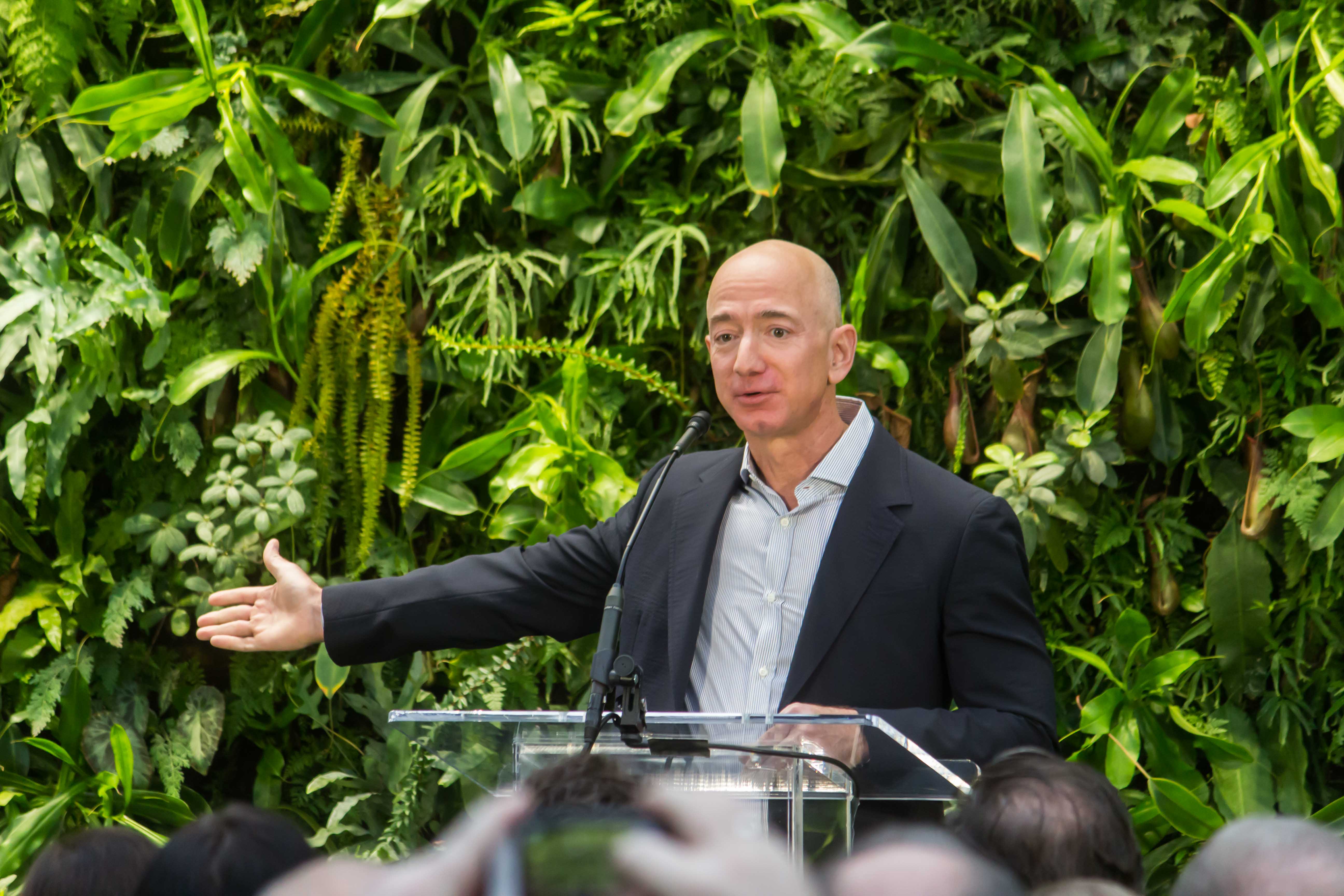 Photo: Jeff Bezos at the Amazon Spheres — Bezos invested $60 million in Kozmo.com, one of many dot-com bets that Amazon made during the bubble. Wikimedia Commons. License: CC BY 2.0.
Kozmo shut down in April 2001, having burned through nearly all of its funding. The model of fast, convenient delivery of everyday items would later be perfected by DoorDash, Uber Eats, Gopuff, and Gorillas — companies that benefited from smartphone ubiquity, GPS-based logistics, and gig-economy labor models that did not exist in 2000.
Right Ideas, Wrong Time
What I find most fascinating about Pets.com, Webvan, and Kozmo is not how they failed, but why they failed. None of them failed because the customer did not want the product. Demand was proven in every case. They failed because the infrastructure was not ready.
In 2000, only 43% of American households had internet access, and most of those connections were dial-up. Smartphones did not exist. There was no gig economy, no GPS-based delivery routing, no cloud computing to scale server costs. Building an online retail company in 2000 required enormous upfront capital investment in physical infrastructure — warehouses, delivery fleets, servers — that could only be justified at a scale that the market could not yet support.
The founders of these companies were essentially building 2015 businesses in a 2000 world. They saw the future correctly. They just could not get there from where they stood.
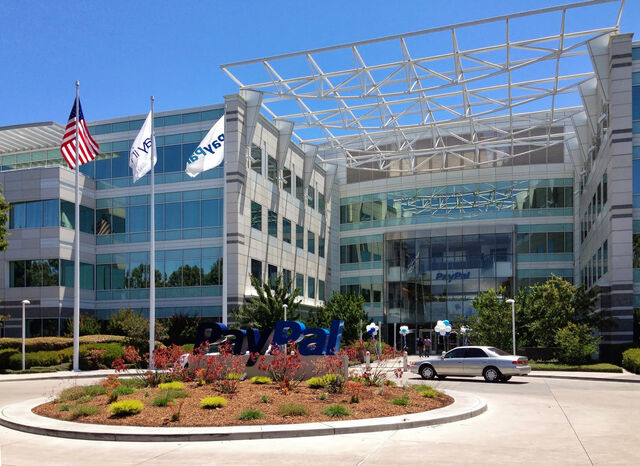
This is the pattern that the PayPal founders also understood. PayPal survived the dot-com crash not because its idea was better than Kozmo’s or Webvan’s, but because digital payments had lower infrastructure costs and could reach profitability faster. The margin for error in the dot-com era was razor-thin. Companies that required massive physical infrastructure died. Companies that could operate primarily in software survived.
The Vindication
The ultimate vindication of these dot-com “failures” came in the 2010s. Chewy launched in 2011, proved that pet supplies could be sold profitably online, and was acquired by PetSmart in 2017 for $3.35 billion. Amazon Fresh and Instacart proved that grocery delivery worked — once you had ubiquitous broadband, smartphone apps, and a flexible delivery workforce. DoorDash went public in December 2020 at a valuation of $72 billion, proving that on-demand delivery of everyday items was one of the largest markets in the world.
Julie Wainwright, the former CEO of Pets.com, went on to found The RealReal, a luxury consignment marketplace that went public in 2019. The sock puppet’s spirit, it seems, found a more hospitable era.
Timing Is the Hardest Part
The lesson of Pets.com, Webvan, and Kozmo is not that their founders were foolish. It is that timing is the single hardest variable in entrepreneurship. You can have the right idea, the right team, the right market, and the right product — and still fail because the world is not ready for you. The technology is not there. The infrastructure is not there. The customer behavior has not shifted yet.
But here is the empowering part: the ideas survived. They survived the crash, the bankruptcies, the mockery, and the years of being used as cautionary tales in business school case studies. A decade later, different founders picked up those same ideas and built billion-dollar companies. The market was ready. The technology existed. The customer was waiting.
If you are building something that feels too early — something that people laugh at, something that the infrastructure cannot quite support yet — take heart. You might be wrong about the timing. But you might be exactly right about the future.
Sources
- “Pets.com: A Cautionary Tale,” The New York Times, November 8, 2000.
- Randall Stross, eBoys, Crown Business, 2000.
- “How Webvan Blew Through $800 Million,” CNET, July 9, 2001.
- “Kozmo.com Shuts Down, Fires 1,100,” CNET, April 12, 2001.
- “Chewy’s Journey from Pets.com’s Shadow to a $3.35 Billion Exit,” Forbes, April 18, 2017.
- DoorDash S-1 Filing, SEC, November 2020.




.jpg)