I overheard two people at a coworking space the other day arguing about whether executive assistants are undervalued or overpaid. One of them said, “They just manage calendars.” I almost jumped into the conversation because I had just finished reading about someone who proves that completely wrong. From Tom Mueller, the man who designed the Merlin engine in his garage, to the early engineers who pulled twenty-hour shifts on the factory floor, SpaceX’s early days are full of unsung heroes. But there is one person whose name keeps surfacing in every account, and she was not an engineer, not a rocket scientist, and not a co-founder. Her name was Mary Beth Brown, and she was arguably the most important person at SpaceX who never touched a rocket.
Brown was hired as Musk’s assistant and office manager at SpaceX. Her role quickly grew into something far more significant. She became Elon Musk’s executive assistant, his gatekeeper, his schedule enforcer, and the person who knew him better than almost anyone in his professional life. As Ashlee Vance wrote in his biography Elon Musk: Tesla, SpaceX, and the Quest for a Fantastic Future, Brown established “a real-life version of the relationship between Iron Man’s Tony Stark and Pepper Potts” (Vance, 2015, p. 114).
That comparison was not made lightly. If you have watched any of the Iron Man films, you know that Pepper Potts is not just an assistant – she is the person who keeps Tony Stark functional. Mary Beth Brown played exactly that role for Musk, except she did it across two companies simultaneously, with no script and no stunt doubles.
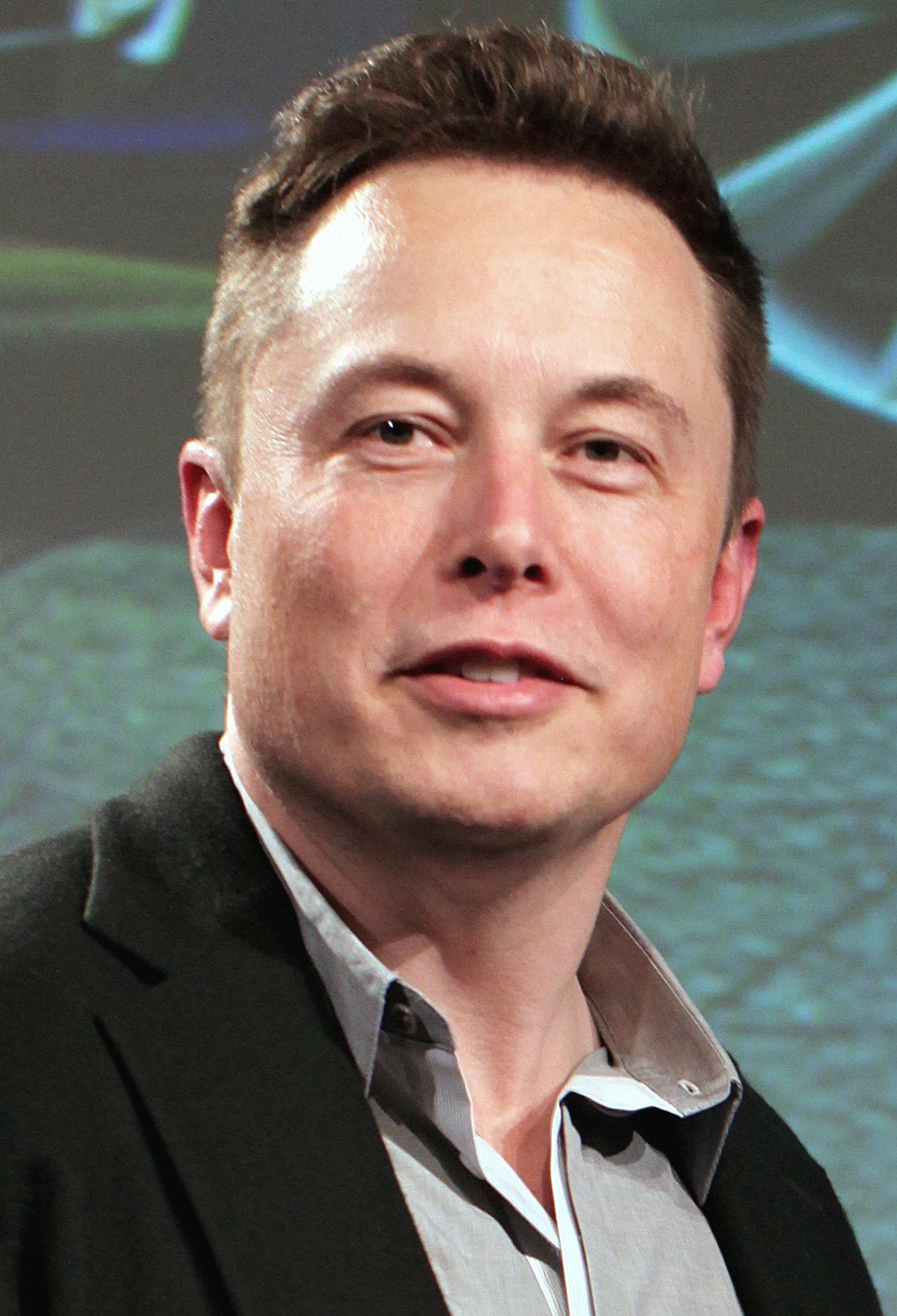 Photo by Steve Jurvetson, Wikimedia Commons. License: CC BY 2.0.
The Twenty-Hour Days
What made Brown’s dedication remarkable was its sheer, relentless consistency. Musk is famous for working grueling hours – eighteen, twenty, sometimes more in a single day. Brown matched him step for step. As Vance put it: “If Musk worked a twenty-hour day, so too did Brown” (Vance, 2015, p. 114).
Over the years, her responsibilities expanded far beyond anything in a typical assistant’s job description. She brought Musk meals. She set up his business appointments. She arranged time with his children. She picked out his clothes. She handled press requests. And, when necessary, she yanked Musk out of meetings to keep him on schedule (Vance, 2015, p. 114).
At both SpaceX and Tesla, Brown placed her desk a few feet in front of Musk’s, creating a physical barrier that everyone in both companies understood. If you wanted to talk to Elon Musk, you had to pass through Mary Beth Brown first. There were no exceptions.
“She would emerge as the only bridge between Musk and all of his interests and was an invaluable asset to the companies’ employees.”
– Ashlee Vance, Elon Musk (2015), p. 114
That sentence is worth sitting with. The only bridge. Not one of several. The single point of connection between one of the most ambitious people on the planet and the thousands of employees, investors, journalists, and partners who needed something from him. That is a staggering amount of trust and responsibility placed on one person.
The Nod-and-Shake System
Brown developed an instinctive understanding of Musk’s emotional state that became legendary inside SpaceX. She could read his moods with a precision that bordered on telepathy. Vance describes how employees learned to use this to their advantage.
If someone needed to request permission to buy a big-ticket item, they would stop for a moment in front of Brown’s desk and wait. A nod meant it was safe to go see Musk. A shake of the head meant go away – Musk was having a bad day (Vance, 2015, p. 115).
“This system of nods and shakes became particularly important during periods of romantic strife for Musk, when his nerves were on edge more than usual.”
– Ashlee Vance, Elon Musk (2015), p. 115
What I find striking about this is how practical and human it is. SpaceX was building rockets. Tesla was trying to reinvent the automobile. And at the center of both, the operational rhythm depended on one woman reading another person’s face and giving a nod or a shake. It is a reminder that even the most technologically ambitious companies run on relationships and emotional intelligence.
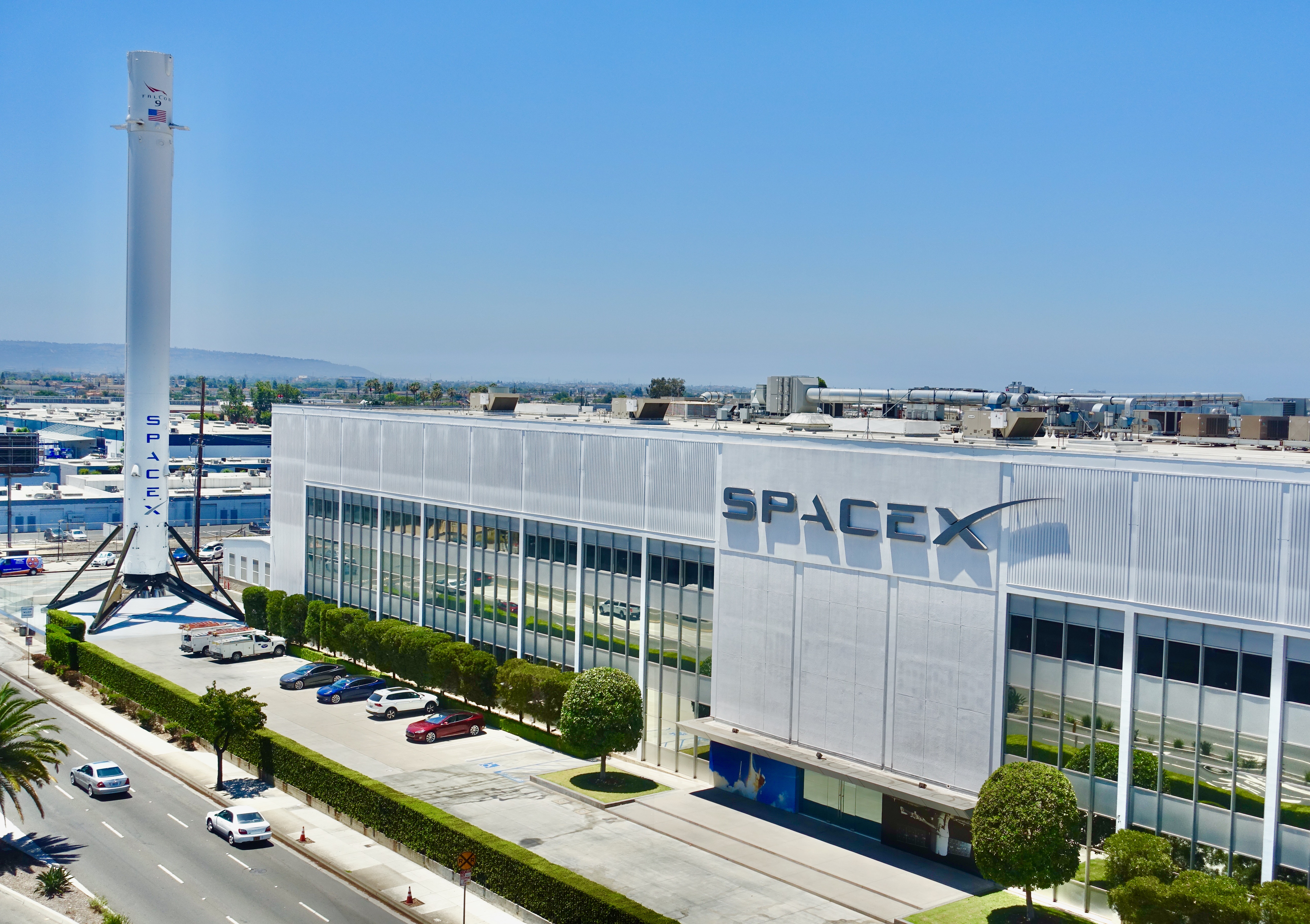 Photo: SpaceX Headquarters in Hawthorne, California. Wikimedia Commons. License: CC BY 2.0.
Kook of the Week
Brown also had a gift for lightening the mood. SpaceX’s office received its share of strange correspondence – people with wild ideas who wanted Musk’s attention. Brown collected the weirdest of these e-mails and letters and sent them around the office as “Kook of the Week” missives.
I sometimes imagine what Hastings or Musk would have done with my hosting company. They would not have kept it. They would have turned it into something else entirely — a platform, a marketplace, a network. I could not see past the servers, the way Brown could see that a company is held together by small human touches.
The submissions were spectacular. One included a pencil sketch of a lunar spacecraft with a mysterious red spot on it and the handwritten note: “What is that? Blood?” Others proposed plans for a perpetual motion machine and a giant inflatable rabbit designed to plug oil spills (Vance, 2015, p. 114). These dispatches became a beloved tradition at SpaceX, a small ritual that bonded the team and gave everyone a shared laugh during long, intense workweeks.
Brown paid attention to details like this. She noticed the office’s red spaceship trash cans. She helped balance the overall vibe around the workspace. In a company where engineers were routinely pushing themselves to the brink, these small touches mattered more than most people realized.
Calling the Shots
For a time, Brown’s authority extended well beyond scheduling and gatekeeping. She managed SpaceX’s books and handled the flow of business when Musk was away. A SpaceX technician recalled the dynamic bluntly.
“She pretty much called the shots. She would say, ‘This is what Elon would want.’”
– SpaceX technician, quoted in Vance, Elon Musk (2015), p. 114
When it came to matters related directly to Musk, Brown put on what Vance described as her firm countenance and no-nonsense attitude. But the rest of the time, she was warm, approachable, and genuinely kind to the people around her. A technician recalled her signature greeting: “Oh, dear. How are you, dear?” – delivered with a broad smile and a disarming charm that made people feel seen (Vance, 2015, p. 114).
That combination – fierce when it mattered, warm when it did not – is rare. It is also exactly the kind of leadership quality that often goes unrecognized because it does not come with a title on a business card.
The Lasik Story
One anecdote from Vance’s book captures the complexity of the Musk-Brown dynamic and, by extension, the complexity of Musk himself.
A SpaceX employee named Kevin Brogan had a colleague, Hollman, who was venting at the factory one night about something that frustrated him – not realizing that Musk was nearby and could hear every word. Two hours later, Mary Beth Brown appeared with an appointment card to see a Lasik eye surgery specialist. Musk had quietly arranged to pay for the surgery.
As the colleague later reflected: “Elon can be very demanding, but he’ll make sure the obstacles in your way are removed” (Vance, 2015, p. 115).
That is a revealing moment. Musk heard a complaint, and instead of responding with a reprimand or ignoring it, he sent Brown to solve the problem. And Brown – as always – was the one who delivered the message, who showed up with the appointment card, who served as the human interface between Musk’s intentions and the people affected by them.
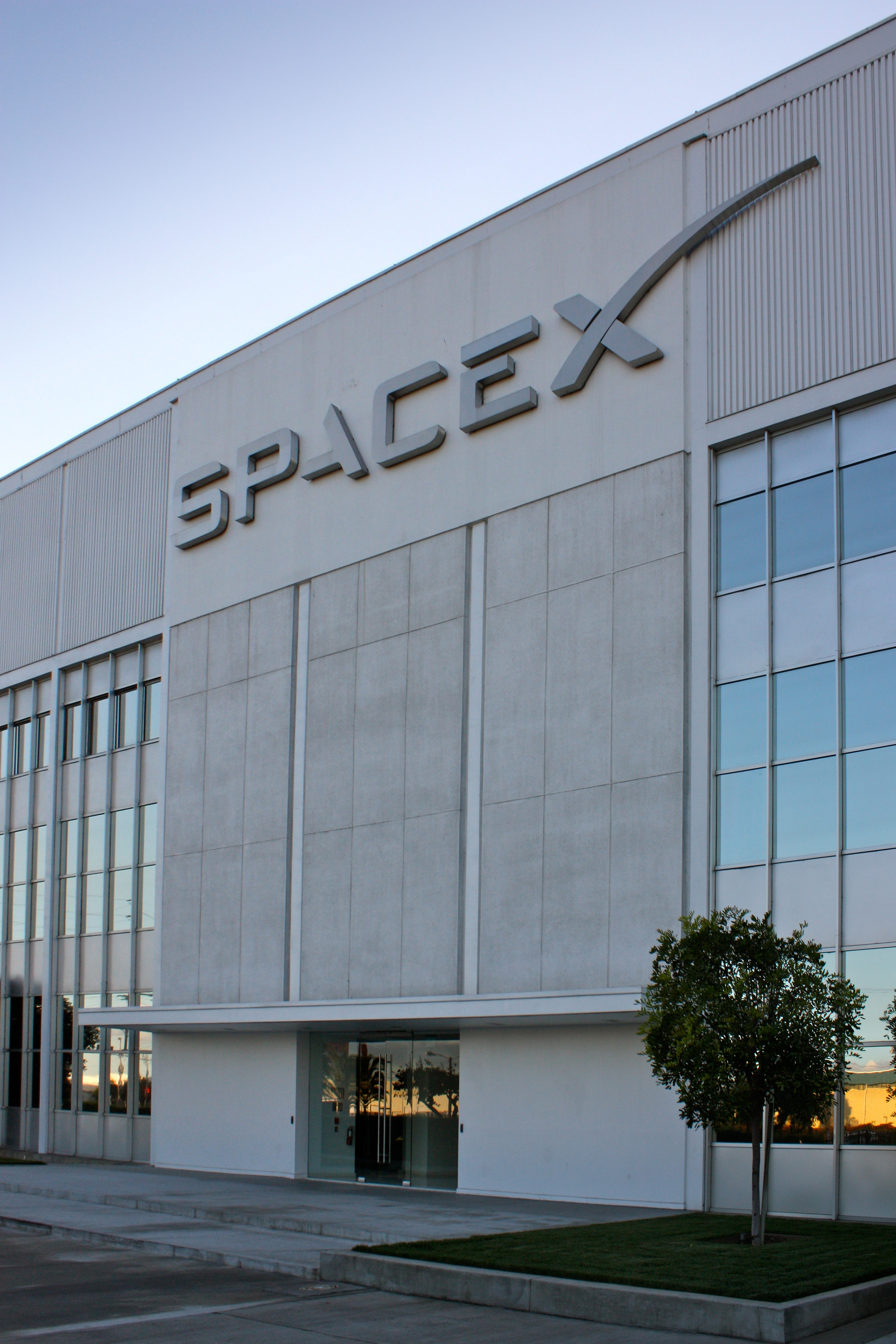 SpaceX headquarters in Hawthorne, California. Wikimedia Commons. License: CC BY-SA 4.0.
Why This Story Matters
Mary Beth Brown’s story is not one of a person who was just following orders. She was a now-legendary character in the lore of both SpaceX and Tesla, as Vance described her (Vance, 2015, p. 114). She shaped the culture, maintained the rhythm, protected the people, and held together the human infrastructure of two companies that were trying to change the world.
Her role is a powerful example of something I think about often when writing about tech history: the most important people in a company are not always the ones whose names appear on the patents or the press releases. Sometimes they are the ones sitting a few feet in front of the CEO’s desk, reading the room, giving a nod or a shake, and making sure the whole operation keeps moving.
Brown’s contribution reminds us that behind every ambitious founder, there are people whose loyalty, emotional intelligence, and tireless work make the vision possible. She did not build rockets. She built the conditions under which rockets could be built. And that is a contribution worth remembering.
I hope this piece gives you a deeper appreciation for the people behind the headlines. If you are interested in more stories from SpaceX’s early days, check out my article on Tom Mueller, the man who designed the engines that made it all fly. Feel free to come back for more – there are always more stories to tell, fellow techies.
Sources
- Vance, Ashlee. Elon Musk: Tesla, SpaceX, and the Quest for a Fantastic Future. New York: Ecco/HarperCollins, 2015. Chapter 6.
- Elon Musk photo by Steve Jurvetson, Wikimedia Commons. License: CC BY 2.0.
- SpaceX factory photo, Wikimedia Commons. License: CC BY 2.0.
- SpaceX entrance photo, Wikimedia Commons. License: CC BY-SA 4.0.