
I was scrolling Twitter at midnight the other night – the kind of doomscrolling where you know you should stop but don’t – when I saw someone post “name a CEO decision so bad it became a punchline.” Half the replies said the same thing, and it sent me back to a chapter in Netflix’s history that everyone at the company would rather forget – and that Reed Hastings insists on remembering loudly. In the fall of 2011, the CEO who had built one of the most admired companies in tech made a decision so catastrophic that it wiped out 77% of Netflix’s stock price in four months, drove away 800,000 subscribers, and turned the company into a national punchline.
The decision had a name: Qwikster. And the fact that Netflix survived it — and came back stronger — tells you everything about the culture Hastings built.
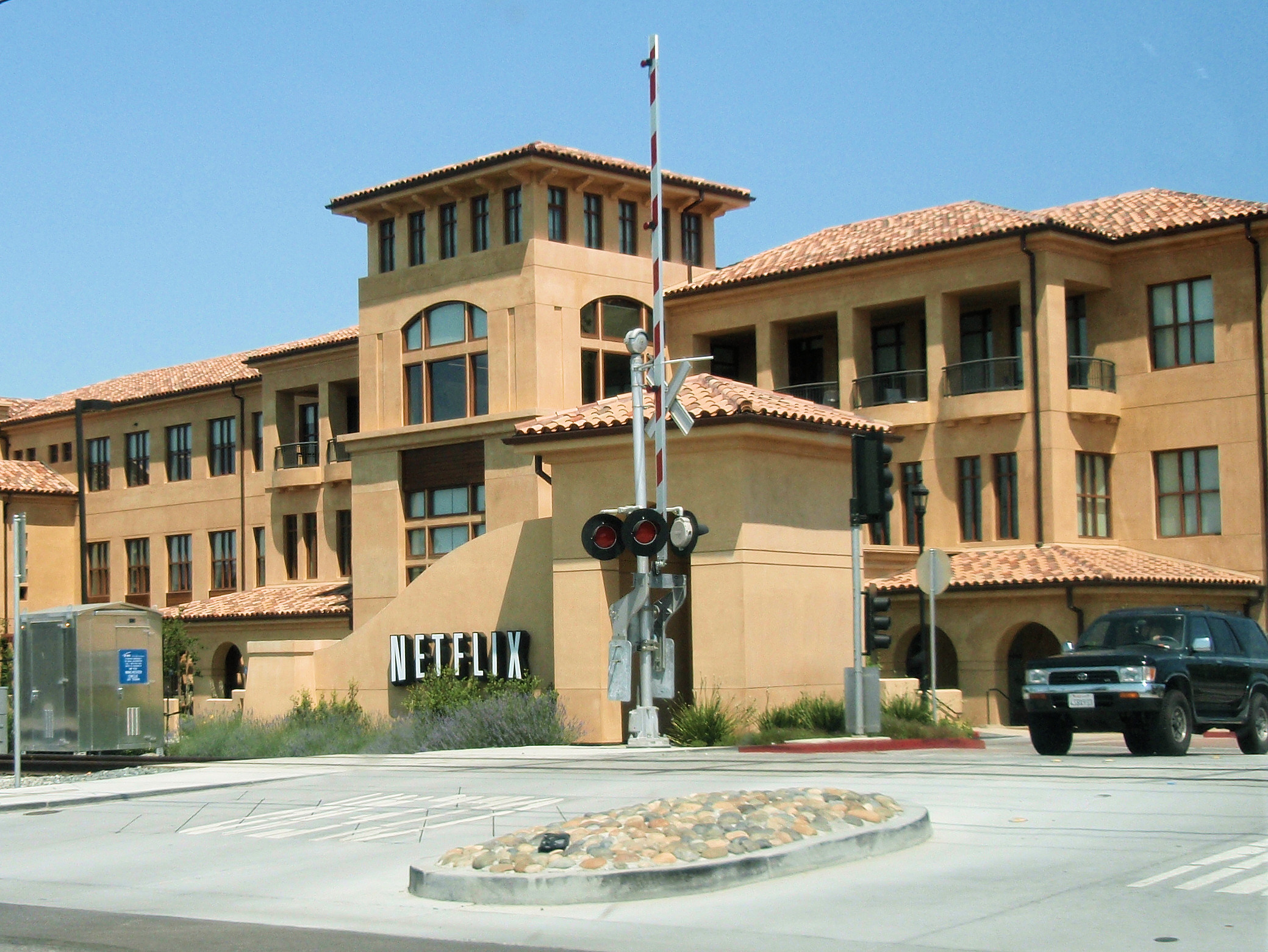 Photo: Wikimedia Commons. CC BY 2.0.
The Price Hike
The trouble started in July 2011. Netflix announced that it would separate its DVD and streaming plans and price them individually. Customers who had been paying $9.99 for both would now need to pay $7.99 for streaming and $7.99 for DVDs — a combined $15.98. That was a 60% price increase for anyone who wanted both services.
The backlash was immediate and savage. Customers flooded Netflix’s blog with thousands of angry comments. The hashtag #DearNetflix trended for days. Media coverage was merciless. In Q3 2011, Netflix reported that 800,000 subscribers had canceled their memberships — the first subscriber loss in the company’s history.
The stock, which had been trading near $300, began its descent.
“I Messed Up”
Then Hastings made it worse. On September 18, 2011, he posted a video and blog entry announcing that Netflix’s DVD-by-mail service would be spun off into a completely separate company called Qwikster. Customers would need to manage two separate accounts on two separate websites. DVD queues would move to the new Qwikster.com, but ratings and reviews would not be shared between the two services.
The internet’s reaction was disbelief. And then someone discovered that the Twitter handle @Qwikster was already taken — by a man named Jason Castillo who used it to post about smoking weed and whose avatar was Elmo from Sesame Street. Netflix had not secured the social media handle for a brand they were about to launch to millions of customers.
 Photo: Wikimedia Commons. CC BY 2.0.
Saturday Night Live mocked it. Tech writers called it the worst corporate decision of the year. The stock continued its collapse — from $300 to under $69, a 77% drop.
Twenty-Three Days
On October 10, 2011 — twenty-three days after the Qwikster announcement — Hastings reversed the decision entirely. In a blog post he wrote:
“It is clear that for many of our members two websites would make things more difficult, so we are going to keep Netflix as one place to go for streaming and DVDs. This means no change: one website, one account.”
Qwikster was dead before it ever launched. Andy Rendich, who had been named Qwikster’s CEO, went back to running Netflix’s DVD operations under the Netflix brand. The name became a verb in Silicon Valley — “pulling a Qwikster” meant making a disastrous, tone-deaf business decision.
Whisper Wins, Shout Mistakes
Most CEOs, after a humiliation this public, would have done one of two things: minimized the mistake and moved on quietly, or blamed the execution team and fired someone. Hastings did neither.
Instead, he did what the Netflix culture demanded: he shouted his mistake. He had articulated this principle years earlier during his Pure Software days, when he went to his board and asked them to replace him, saying he was losing confidence.
“When you succeed, speak about it softly or let others mention it for you. But when you make a mistake say it clearly and loudly, so that everyone can learn and profit from your errors. In other words, ‘Whisper wins and shout mistakes.’” — Reed Hastings, No Rules Rules
Hastings treated Qwikster as a learning moment, not a scandal to be managed. The lesson was specific: he had been so focused on the strategic logic of separating DVD and streaming that he had ignored how the change felt to customers. The strategy was arguably correct — Netflix needed to focus on streaming. But the execution was arrogant, rushed, and tone-deaf.
The Recovery
What happened after Qwikster is the strongest possible argument for the Netflix culture. In a company built on fear and hierarchy, the Qwikster disaster could have been fatal — it would have triggered months of finger-pointing, reorganization, and cautious paralysis. At Netflix, it triggered twenty-three days of candid feedback, a rapid reversal, and an immediate return to building.
By the end of 2012, Netflix’s subscriber count had recovered and was growing again. In February 2013, Netflix released House of Cards — its first major original series, starring Kevin Spacey. It was the beginning of the original content era that would transform Netflix from a distribution platform into a studio.
By 2015, the stock was back above $120. By 2019, it exceeded $350. Roma won three Oscars. Netflix had 167 million subscribers in 190 countries. The company that had been a national joke in October 2011 had become one of the most valuable media companies in history.
The Lesson No One Wants to Hear
I keep thinking about what Qwikster really proved. Not that Hastings is fallible — everyone already knew that. What it proved is that the speed of recovery matters more than the avoidance of failure. Netflix went from catastrophic mistake to full reversal in twenty-three days, and from reversal to its greatest creative era in less than two years.
Most companies spend twenty-three days writing the memo about forming the committee to study the problem. Netflix spent twenty-three days fixing it.
That speed came directly from the culture — the talent density, the candor, the absence of approval chains, the willingness to say “I was wrong” publicly and move on. Qwikster wasn’t a failure of the Netflix culture. It was a proof of concept for the Netflix culture. The culture didn’t prevent the mistake. No culture can. But it made the recovery fast enough that the mistake didn’t matter.
For anyone building something: you will make a Qwikster-level mistake at some point. The question is not whether you’ll make it. The question is whether your organization can recover from it in twenty-three days — or whether it will spend twenty-three months pretending it didn’t happen.
Sources
- Reed Hastings and Erin Meyer, No Rules Rules: Netflix and the Culture of Reinvention, Penguin Press, 2020
- Netflix, Inc., “DVDs Will Be Staying at Netflix.com,” company blog, October 10, 2011
- Stelter, Brian, “Netflix, in Reversal, Will Keep Its Services Together,” The New York Times, October 10, 2011
- Netflix, Inc. Annual Reports and Earnings Calls, 2011-2013