
I was mapping the Netflix timeline when something stopped me. By 2007, Netflix had built one of the most efficient logistics operations in the United States — 55 distribution centers across the country, delivering DVDs overnight to over 7 million subscribers. The company was profitable, growing, and dominant. Blockbuster was dying. The DVD business was a machine.
And Reed Hastings decided to kill it.
Not because it was failing. Because he knew something better was coming. That decision — to cannibalize your own profitable business before someone else does — is the rarest and hardest call in business. Most companies can’t do it. Netflix did, and the story of how they pulled it off reveals more about the company’s culture than any slide deck ever could.
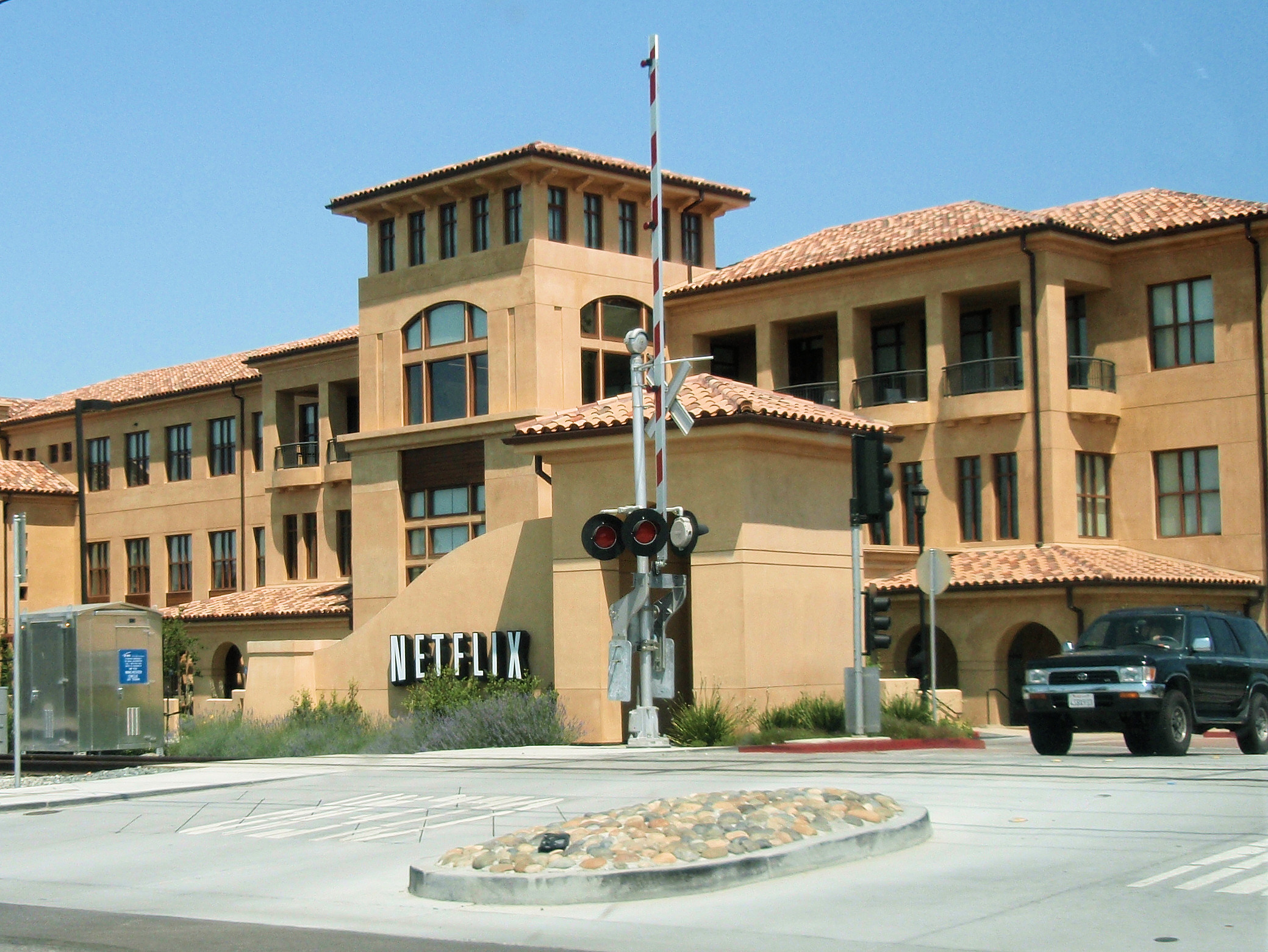 Photo: Wikimedia Commons. CC BY 2.0.
The Name Was Always a Clue
Hastings has pointed out that the company was never called DVD-by-Mail Inc. It was called Netflix — a combination of “internet” and “flicks.” The streaming vision was embedded in the name from day one, even when the technology to deliver on that vision didn’t exist yet.
“We named the company Net-flix, not DVD-by-mail-flix, because we always planned to stream. The key question was when the technology would be ready.” — Reed Hastings
On January 16, 2007, Netflix launched its “Watch Now” feature. The initial offering was modest — roughly 1,000 titles available for streaming, compared to about 70,000 in the DVD catalog. The video quality was inconsistent. You needed a fast internet connection, which millions of Americans still didn’t have. The selection was thin.
But it was a start. And Hastings understood something that most media executives didn’t: bandwidth was getting cheaper every year, and DVD players were not getting better. The math pointed in one direction.
The Starz Deal That Changed Everything
In 2008, Netflix struck a deal with Starz that would prove critical. For approximately $30 million per year, Netflix gained streaming access to Disney and Sony films. The studios treated it as found money — a small licensing fee for a niche service that most of them didn’t take seriously.
They were wrong. The Starz deal gave Netflix a critical mass of recognizable content, and subscribers started using streaming more than DVDs. By around 2010-11, streaming usage had overtaken physical disc usage. The tipping point had arrived years earlier than anyone predicted.
Cutting the Cord
What happened next required the kind of organizational courage that the Netflix culture was specifically designed to produce. Hastings began systematically shifting resources from DVD to streaming — reducing investment in distribution centers, hiring engineers instead of logistics specialists, and rewriting the company’s identity.
In 2010, Netflix dropped “DVD” from its marketing entirely. The stock price climbed from roughly $52 to $175 over the course of the year. By the end of 2011, Netflix had 24 million streaming subscribers in the United States and was expanding into Latin America.
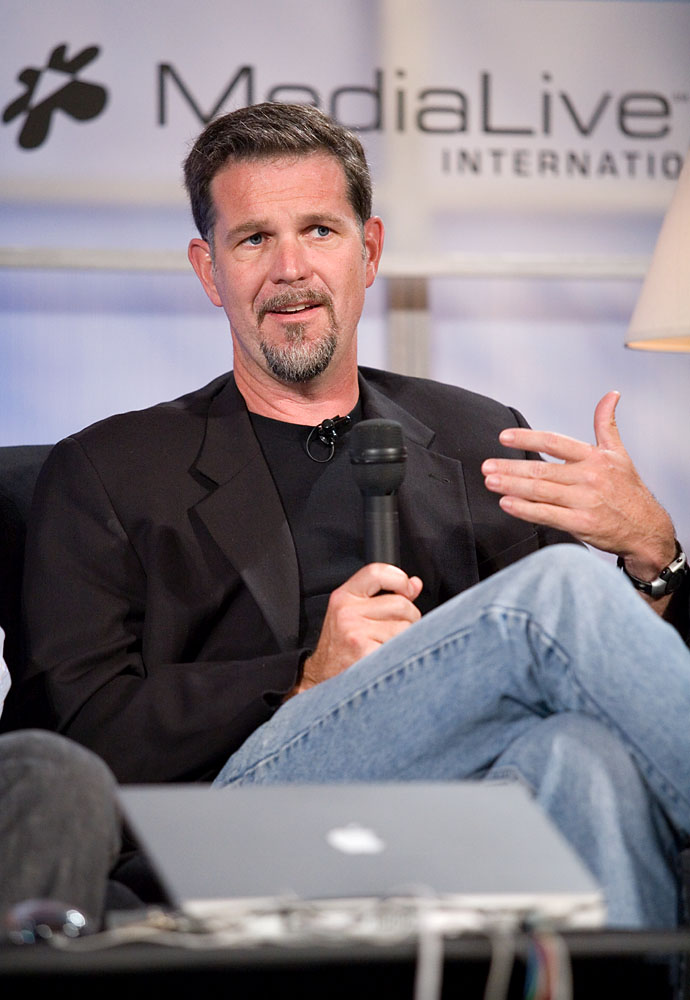 Photo: Wikimedia Commons. CC BY 2.0.
The transition was not smooth. The Qwikster disaster of 2011 — when Hastings tried to split the company into separate DVD and streaming businesses and lost 800,000 subscribers — nearly derailed the entire strategy. But even that failure was ultimately absorbed by a culture that valued speed over perfection and treated mistakes as data, not disasters.
Why Most Companies Can’t Do This
As Hastings writes in No Rules Rules:
“Why do so many companies, such as Blockbuster, AOL, Kodak, and my own first company, Pure Software, fail to adapt and innovate quickly as the environment morphs around them?” — Reed Hastings, No Rules Rules
His answer: control processes kill adaptation. Companies build approval chains, performance reviews, budget committees, and risk assessments — all designed to prevent bad decisions. But those same processes also prevent the fast, radical decisions that adaptation requires. When Kodak saw digital photography coming, it had the technology to respond. What it didn’t have was a culture that could abandon a profitable film business fast enough.
Netflix had that culture. The 2001 layoffs — when they cut from 120 to 80 employees and discovered the smaller team performed better — had taught Hastings that a high-talent-density organization could move faster and take bigger risks than a larger, more cautious one. That insight became the engine of the streaming pivot.
Four Transitions, One Company
What makes the Netflix story remarkable is not just one pivot but four massive transitions, each of which would have killed most companies:
- DVD by mail → streaming old content
- Streaming old content → producing original content through external studios
- External studio content → building an in-house studio (the company that created House of Cards, Stranger Things, and Roma)
- US-only → 190 countries (130 launched in a single day in 2016)
By 2019, Netflix had 167 million subscribers in 190 countries. The stock price had risen from roughly $1 at its lowest to over $350. Roma had won three Oscars. Bird Box had been watched by 45 million accounts in its first week.
“Our stock price had risen from approximately $8 in 2010 to $123 by the end of 2015, and our user base had grown from 20 million to 78 million in the same time period.” — Reed Hastings, No Rules Rules
The Courage to Eat Yourself
The Netflix DVD-to-streaming story is not really a technology story. DVD and streaming are just delivery mechanisms. The real story is about organizational courage — the willingness to destroy something profitable before it becomes irrelevant.
Blockbuster couldn’t do it. Kodak couldn’t do it. Borders couldn’t do it. Taxi companies couldn’t do it. In every case, the incumbent saw the future coming and chose to protect the present instead.
Reed Hastings chose the future. He built a culture that could handle the disruption, hired people who could execute the pivot, and made the hardest call in business: kill the thing that’s working before someone else kills it for you.
That’s not a business lesson. That’s a survival instinct. And it’s the reason Netflix is still here while the companies that laughed at it in that Dallas conference room are gone.
Sources
- Reed Hastings and Erin Meyer, No Rules Rules: Netflix and the Culture of Reinvention, Penguin Press, 2020
- Netflix, Inc. Annual Reports, 2007-2019
- Keating, Gina, Netflixed: The Epic Battle for America’s Eyeballs, Portfolio/Penguin, 2012